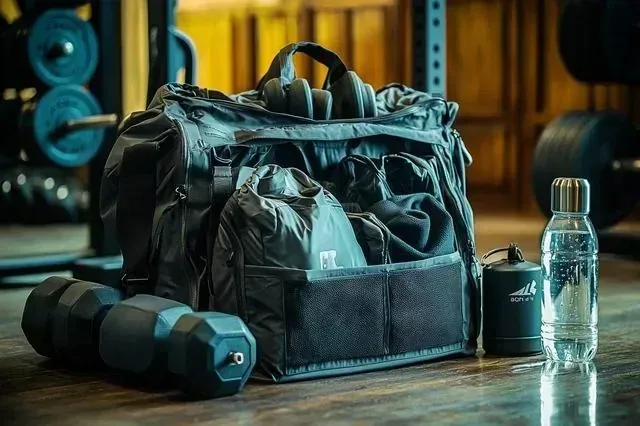
A bespoke tote collection works best when it is planned as a ladder of three tiers — an unlined or lightly structured everyday piece, a mid-weight structured city tote, and a premium framed or panelled style — because each tier uses a different construction logic and therefore earns a different price. Brands that commission a single tote and then attempt to stretch it across all three price bands usually end up with one compromise product. The tote's apparent simplicity conceals how much of its cost and character sits in the handle, the base and the closure.
That concealed complexity is worth taking seriously at specification stage. Two totes of identical external dimensions can differ by a factor of three in production time, depending on whether the body is turned and top-stitched, built on a stiffened base with feet, or constructed around an internal frame. The silhouette is the same. The engineering is not, and the customer reads the difference without being able to describe it.
Why the Tote Carries a Collection
Across most commercial bag ranges the tote is the highest-visibility style and frequently the signature. It photographs well, it accommodates branding without looking like promotional merchandise, and it serves the widest set of carrying occasions. But those advantages come with a specific risk: because the shape is familiar, differentiation has to come from somewhere else.
| Property | Why it matters commercially | Where it creates risk |
|---|---|---|
| Large flat panels | Ideal surface for embossing and print | Panel size magnifies any grain or colour inconsistency |
| Open-top format | Easy access, casual positioning | Closure and security expectations vary by market |
| Simple pattern count | Fast to sample and revise | Low barrier to entry means heavy competition |
| High material consumption | Showcases the leather | Material cost dominates the unit price |
| Carry-on compatible | Appeals to travel-adjacent buyers | Capacity claims must match measured volume |
The material-consumption line deserves emphasis. A tote uses more hide per unit than almost any other style in a range, which means leather selection drives its price more than labour does. A ten per cent move in hide cost moves a tote's landed price noticeably further than it moves a crossbody's, and that sensitivity is the reason tote pricing should be settled after material approval rather than before it.
Programme parameters at a glance
| Parameter | Commitment |
|---|---|
| Minimum order quantity | 500 pieces per style / colourway |
| Sampling lead time | 6–10 working days (12–15 days for complex constructions) |
| Bulk production lead time | 35–50 days after sample approval |
| Inspection standard | AQL 2.5 (ISO 2859-1), single sampling, general level II |
| Incoterms | FOB Xiamen — EXW, CIF and DDP available on request |
| Payment terms | T/T 30% deposit / 70% before shipment; L/C at sight for container loads |
| Verified production floor space | 4,950 m² (SGS-verified) |
| Team | 137 staff across 7 production lines |
| Equipment | 149 machines including computerised saddle-stitch and edge-painting units |
| Monthly capacity | 200,000 pieces |
| Entity | Founded 2014; principal has worked in bag development since 2004 |
The Three Tiers and What Separates Them
Rather than designing a single style and pricing it three ways, a collection should define three constructions. Each has distinct handling, distinct cost behaviour and a distinct customer, and the gaps between them are what make the range legible.
| Tier | Construction | Typical leather weight | Position in the range |
|---|---|---|---|
| Everyday | Turned or flat-seamed, minimal interlining | Light to medium | Entry or accessible price point |
| Elevated | Stiffened base, lined, internal organisation | Medium | The commercial centre of the range |
| Premium | Framed, panelled or gusset-engineered | Medium to heavy | Trade-up and hero positioning |
| Capsule | Experimental material or finish on a proven body | Varies | Press and limited release |
The everyday tier is where volume lives and where margin is thinnest, so it should be the simplest thing a brand can make well. The premium tier need not sell in quantity; its job is to establish what the house is capable of, which lifts the perceived value of everything below it. A collection that skips the premium tier usually finds its mid-tier styles being compared against competitors' entry prices.
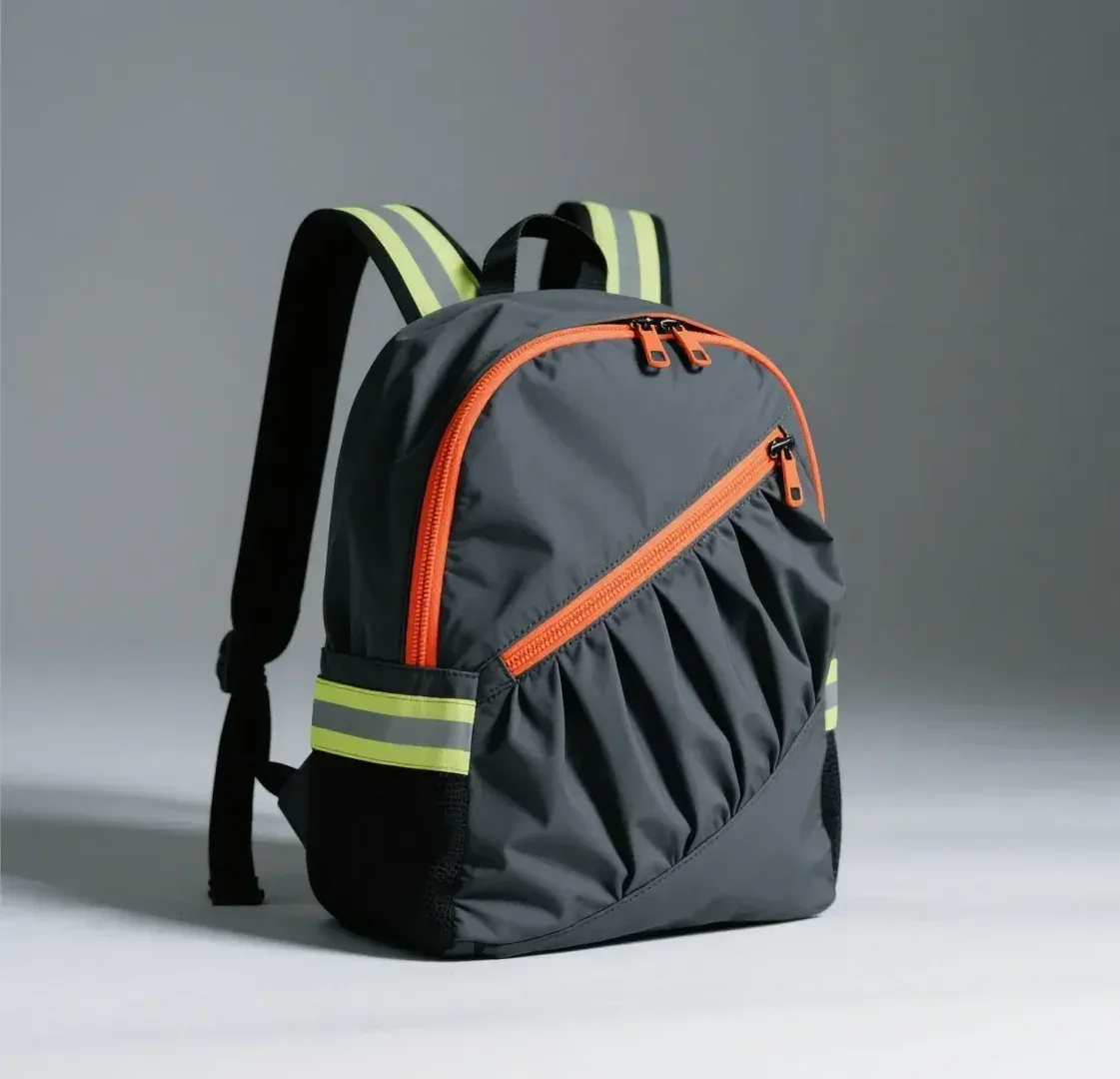
Construction Decisions That Define the Finished Tote
Six decisions account for most of the difference between a tote that feels considered and one that feels improvised. They are worth specifying explicitly in the tech pack rather than leaving to a sample maker's judgement, because each has a downstream effect on durability.
Handle attachment deserves particular attention because it is the most common failure point in a tote programme. A tote is carried by its handles, often heavily loaded, and the load path runs from the handle through the attachment and into the body panel. Where the body leather is light, the attachment should be reinforced with a facing or an interlining patch rather than simply stitched more times. Extra stitches through a weak substrate do not distribute load; they perforate it.
Drop length is the other specification that determines whether a tote is actually used. A handle intended to sit over the shoulder needs a materially longer drop than one intended for hand carry, and a style meant to accommodate a winter coat needs more again. Because the drop is set by the pattern, changing it after sampling means re-cutting the handle and re-testing the attachment, so it should be decided against real use rather than against a drawing.
Sizing: A Ladder Rather Than a Guess
Tote sizes cluster for good reason — they answer to laptops, documents, and carry-on expectations — but that clustering means a collection should choose deliberately among established bands instead of inventing intermediate dimensions. A useful ladder has three rungs, and the gaps should be visible at arm's length.
| Size band | Intended carry | Structure implication | Typical role |
|---|---|---|---|
| Compact | Tablet, small essentials | Can run unlined and unstructured | Accessible price point |
| Medium | A4 documents, small laptop | Needs a stiffened base at minimum | Core commercial style |
| Large | Laptop, gym kit, weekend layers | Requires reinforcement and feet | Premium or travel-adjacent |
| Oversize | Travel and beach use | Material choice dominates cost | Capsule rather than core |
Capacity claims should be verified by measurement rather than estimated by eye. A stated litre figure, or a stated device size, becomes a returns issue when it is wrong, and returns on an open-top style are more expensive than on most categories because the bag has usually been used before the discrepancy is noticed.

Material Specification Across the Tote Family
Because a tote consumes more material than its neighbours in a range, the choice of hide has outsized influence on both price and performance. The same principles apply at every tier: the body needs tensile strength, the handles need resistance to stretching, and the base needs abrasion resistance.
| Component | Requirement | Common specification | Failure mode if under-specified |
|---|---|---|---|
| Body panels | Tensile strength and consistent grain | Full-grain or top-grain in a medium weight | Sagging and stretching under load |
| Handles | Resistance to elongation | Heavier cut, or doubled and stitched | Handles stretch and lose shape |
| Base | Abrasion resistance | Stiffened panel with metal feet | Scuffing at the corners |
| Lining | Tear resistance at stress points | Microfibre or cotton twill | Split seams at pocket openings |
| Binding and piping | Flexibility without cracking | Matching or contrast leather binding | Cracked edges at the top line |
| Thread | Strength matched to the seam | Bonded nylon or polyester at appropriate gauge | Seam creep and eventual opening |
Where a brand requires documentation, a consolidated material list keeps the paperwork tractable. OEKO-TEX certification for the lining and hardware components, REACH declarations for the EU, and LWG traceability on the tannery are all easier to compile for one shared specification than for a different one per style. Tote programmes that share a lining across all three tiers can typically produce that documentation once.
Closures, Branding and the Details Customers Notice
An open-top tote is a design position, not an absence of decision. Whether a collection runs open, magnetic, zipped or hook-and-eye should follow the tier and the market, since expectations differ: buyers in dense urban markets typically want a closure, while resort and beach-adjacent positioning tolerates none.
- Magnetic snap. The default for a mid-tier tote. Inexpensive, quiet, and easy to align; weaker against a heavily loaded bag.
- Zip top. Security and structure in one. Adds a tape, a puller and a facing, so it raises cost and requires a clean top line.
- Hook and eye or clasp. Heritage reading, suited to bridle and vegetable-tanned bodies. Adds a hardware line to the specification.
- Internal clip or dog-hook. Cheap reassurance without changing the silhouette, and the best value-per-pound addition in the category.
- Branding position. Debossed on a handle tab, foiled low on the front panel, or a small metal plate at the base of a handle.
- Dust bag and packing. At the premium tier, presentation is part of the product; at the everyday tier it is a cost to be controlled.
Branding placement on a tote should be tested on a physical sample rather than chosen from a rendering. Large flat panels distort how a logo reads at distance, and a mark that looks well-proportioned on screen can appear lost or oversized once the panel curves under its own weight. Debossing near a handle attachment, where the leather is reinforced, produces a cleaner impression than the same mark on an unsupported panel.
Where Tote Programmes Go Wrong
The failure patterns in this category are consistent enough to be worth listing explicitly, because almost all of them are specification errors rather than manufacturing errors.
| Mistake | What causes it | Consequence | Prevention |
|---|---|---|---|
| One body for three price points | Attempting to avoid new pattern work | A compromise product at every tier | Define three constructions |
| Under-reinforced handle | Reinforcement omitted to save cost | Tearing within months of use | Specify a facing or interlining patch |
| Unmeasured capacity claims | Figures estimated from a sketch | Returns and review damage | Measure the finished sample |
| Base left unstiffened | Flat base chosen for a soft look | Bag slumps and corners scuff | Stiffen and add feet above medium size |
| Mixed metal tones across tiers | Hardware chosen per style | Range stops reading as one house | Fix one plating family early |
The first row is the one that costs the most. Brands frequently try to cover three price points with one body because a single pattern seems cheaper than three, then discover that the entry tier is over-specified and the premium tier is under-specified. Two patterns, shared at the top line and at the gusset, usually cost less than the commercial damage caused by a mid-range tote that looks cheap next to a competitor's.
Building the Tote Capsule: A Six-Piece Plan
For a brand committing to a tote capsule, the sequence below distributes work sensibly across a sampling window of 6–10 working days for standard constructions, with 35–50 days of bulk production following approval. The order matters: the hardest construction should be developed first, so that lessons learned can be applied to the simpler pieces rather than discovered last.
- Develop the premium style first. Its pattern and reinforcement logic can be simplified downward, which is easier than adding structure to a light body later.
- Derive the city tote from it. Share the top line, the handle geometry and the lining, then remove the frame and reduce the stiffening.
- Build the everyday piece from the city tote. Same handle geometry, lighter body, minimal interlining, no feet.
- Fix the hardware family once. One plating specification covering all three styles avoids three separate approvals.
- Approve materials before pricing. Tote pricing is material-led, so the quotation should follow hide approval rather than precede it.
- Inspect at AQL 2.5. Single sampling, general level II under ISO 2859-1, with specific attention to handle attachment and edge finish.
Run in that order, a three-tier capsule shares one handle geometry, one lining and one hardware family, which is what makes the ninety-day window realistic. Run in the opposite order — simplest first — the programme tends to discover its structural requirements late, and the premium style becomes a second development rather than a simplification of the first.
Reorders behave differently from first orders and should be planned as such. Once the pattern, the dies and the handle geometry exist, a repeat run carries far less fixed cost, so replenishing a proven everyday tote is typically quicker and cheaper than the launch run was. Brands that treat the first order as the beginning of a standing line, rather than as a one-off, tend to concentrate on fewer colourways at launch and add colour once velocity is established.
Presentation also deserves a decision early, because it interacts with freight. A premium tote shipped with a dust bag and a rigid box occupies considerably more container volume than the same bag polybagged, and packing specification is agreed before the run rather than after it. Shipments leave FOB Xiamen, with EXW, CIF and DDP available on request, and the choice of term determines who carries the onward risk.
Specify your tote capsule
Send your target tiers, sizes and volume plan. The programme team at our production floor in Quanzhou will build the sampling sequence and the handle reinforcement spec.
Frequently Asked Questions
How many tote styles should a collection include?
Three is the practical answer: an everyday piece, a structured city tote and a premium style. Each uses a different construction logic, so the tiers justify their price difference rather than being one body priced three ways. A fourth capsule style using an experimental material can be added once the core three are proven.
Why do two totes of the same size cost very differently?
Because cost sits in the engineering rather than the silhouette. A turned, unlined body with no stiffening requires a fraction of the labour of a framed or panelled construction with a reinforced base and metal feet. External dimensions can be identical while production time differs by a factor of three.
What is the most common failure point in a tote?
The handle attachment. A tote is carried by its handles, often heavily loaded, and where the body leather is light the load path concentrates at the join. Extra stitching through a weak substrate perforates it rather than distributing the load; a reinforced facing or interlining patch is what actually carries the weight.
Should a tote have a closure?
It depends on the tier and the market. Buyers in dense urban markets generally expect a closure, while resort positioning tolerates an open top. A magnetic snap suits a mid-tier piece, a zip adds security and structure at higher cost, and an internal dog-hook provides reassurance without altering the silhouette.
What leather weight suits an everyday tote?
A light to medium weight, because the everyday tier should be the simplest thing a brand can make well. The handles should be cut heavier than the body, or doubled and stitched, since they resist elongation rather than abrasion. Going heavier on the body adds cost and weight without improving how the piece is used.
How should a large tote base be specified?
Stiffened and fitted with feet. Above medium size, a flat unstiffened base will slump under load and scuff at the corners, which is the first visible sign of age on the style. A stiffened panel with metal feet is the single change that most improves how a large tote stands and wears over time.
Can one tote body cover several price points?
It can, but rarely well. Brands attempt it to avoid new pattern work and then find the entry tier over-specified and the premium tier under-specified. Two patterns sharing a top line and gusset geometry usually cost less than the commercial damage caused by a mid-range tote that reads cheap beside a competitor's.
How is tote capacity verified?
By measuring the finished sample, not by estimating from a sketch. A stated litre figure or device size becomes a returns problem when it is wrong, and returns on an open-top style are expensive because the bag has usually been used before the discrepancy is noticed. Measure at approval and publish the measured figure.
Where should branding be placed on a tote?
Test it on a physical sample rather than a rendering. Large flat panels distort how a mark reads at distance, and a logo that looks well-proportioned on screen can appear lost or oversized once the panel curves. Debossing near a handle attachment, where the leather is reinforced, gives a cleaner impression than on an unsupported panel.
What does AQL 2.5 mean for a tote order?
It is the acceptance quality limit applied under ISO 2859-1, using single sampling at general level II. In practice it sets the number of minor and major defects permitted in a batch before the shipment is rejected. For totes, inspection should pay particular attention to handle attachment and edge finish, which are the highest-risk areas.
How long does a tote capsule take to develop?
Sampling runs 6–10 working days for standard constructions and 12–15 for complex ones, followed by 35–50 days of bulk production after sample approval. Developing the premium style first, then simplifying downward, keeps the sequence inside a quarter. Working in the opposite order tends to push structural decisions late.
Why is leather choice so important for totes?
Because the style consumes more hide per unit than almost anything else in a range, so material dominates the unit price rather than labour. A ten per cent move in hide cost shifts a tote's landed price further than it shifts a crossbody's. That sensitivity is why tote pricing should be settled after material approval.
Should the lining be shared across tote tiers?
Yes, where possible. One lining substrate across the range means one approval, one colour-matching exercise and one set of compliance documentation, which matters for OEKO-TEX and REACH paperwork. Changing the lining colour between tiers is cheap; changing the substrate is not.
What makes a premium tote feel different in the hand?
Structure, weight distribution and edge quality. A stiffened base, a framed or panelled body, reinforced handles and clean, consistent edge finishing are what the customer perceives as quality without necessarily naming them. Those are specification decisions rather than material upgrades, and they are what separate the tiers.
How do you stop a tote range looking repetitive?
Vary the construction rather than inventing new shapes. The same tote family can carry three tiers by changing stiffening, closure, base treatment and finish, while sharing handle geometry, lining and hardware. That approach keeps the range recognisably one house and keeps the development budget under control.