Bespoke Bag Products
Seventeen product families, one standard: bags developed to your specification, sampled in 6–10 working days and delivered in 35–50 days.
A product family is not a catalogue page. It is a construction logic — the pattern set, reinforcement scheme, lining method and hardware standard that a given shape needs in order to hold its form after a year of use. Getting the family right before sampling is the difference between one revision round and four, so the first conversation is always about which logic your brief belongs to.
Where the Volume Sits
Six families account for most programmes. They are listed first because the tooling, patterns and material library behind them are the most developed — which shows up in sampling speed and in how precisely a cost bracket can be quoted.
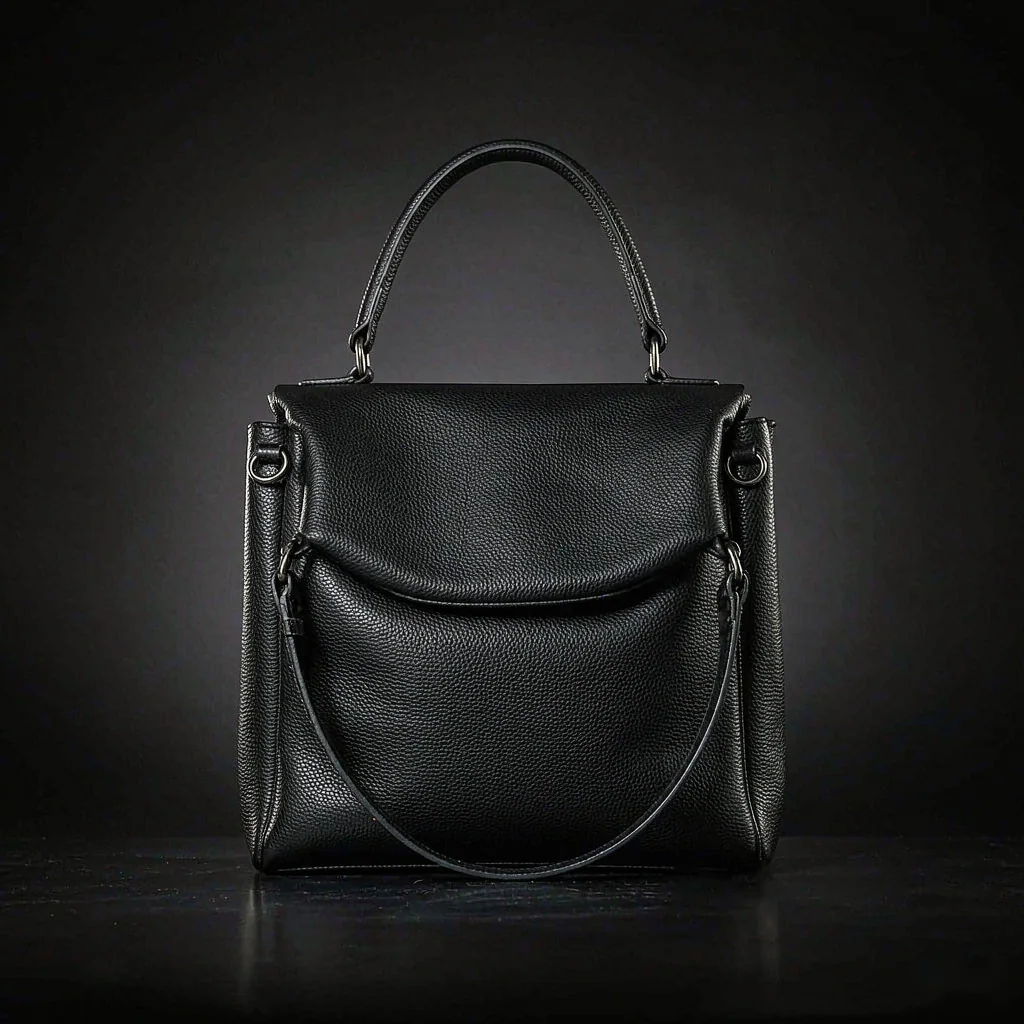
Handbags
Totes, crossbody, satchel and clutch lines developed to brand specification — the family most first collections start with.
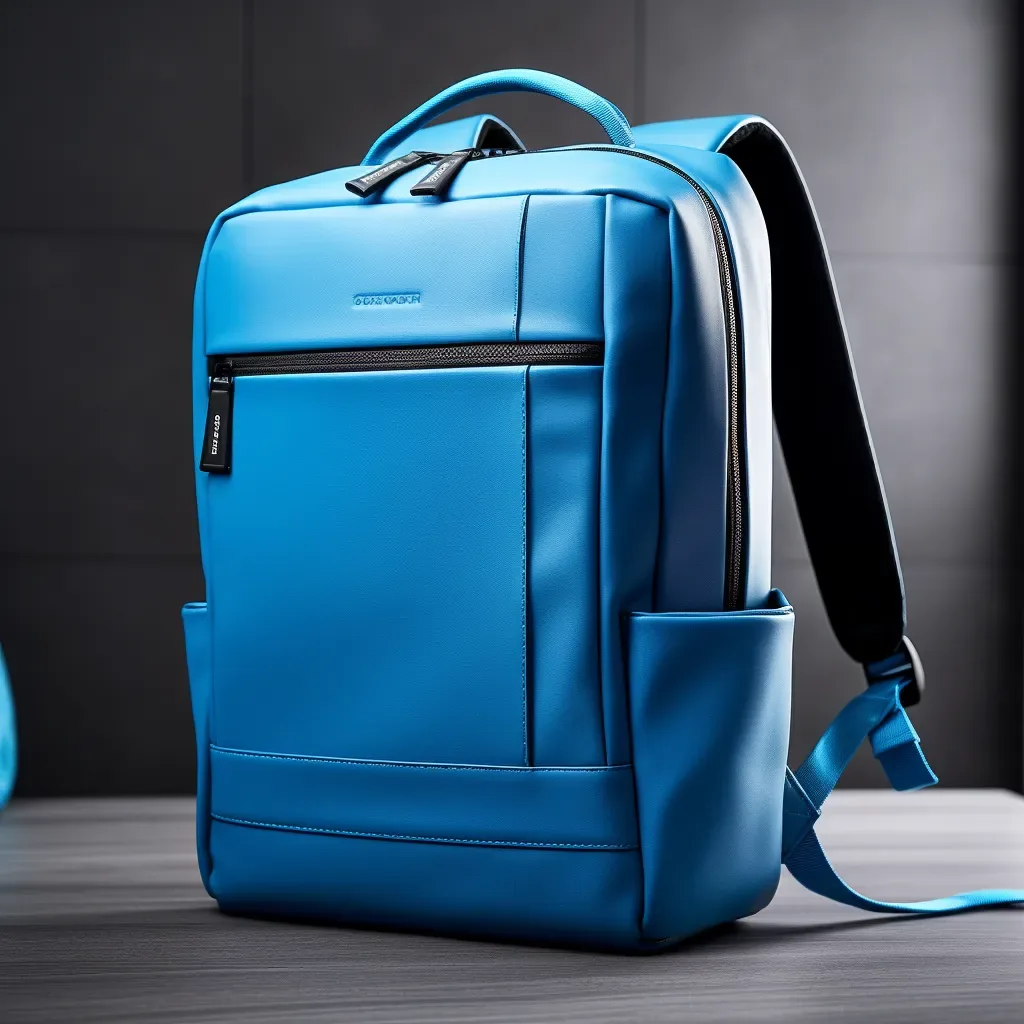
Backpacks
Urban, professional and technical backpacks where strap geometry and load distribution decide whether the bag is worn.
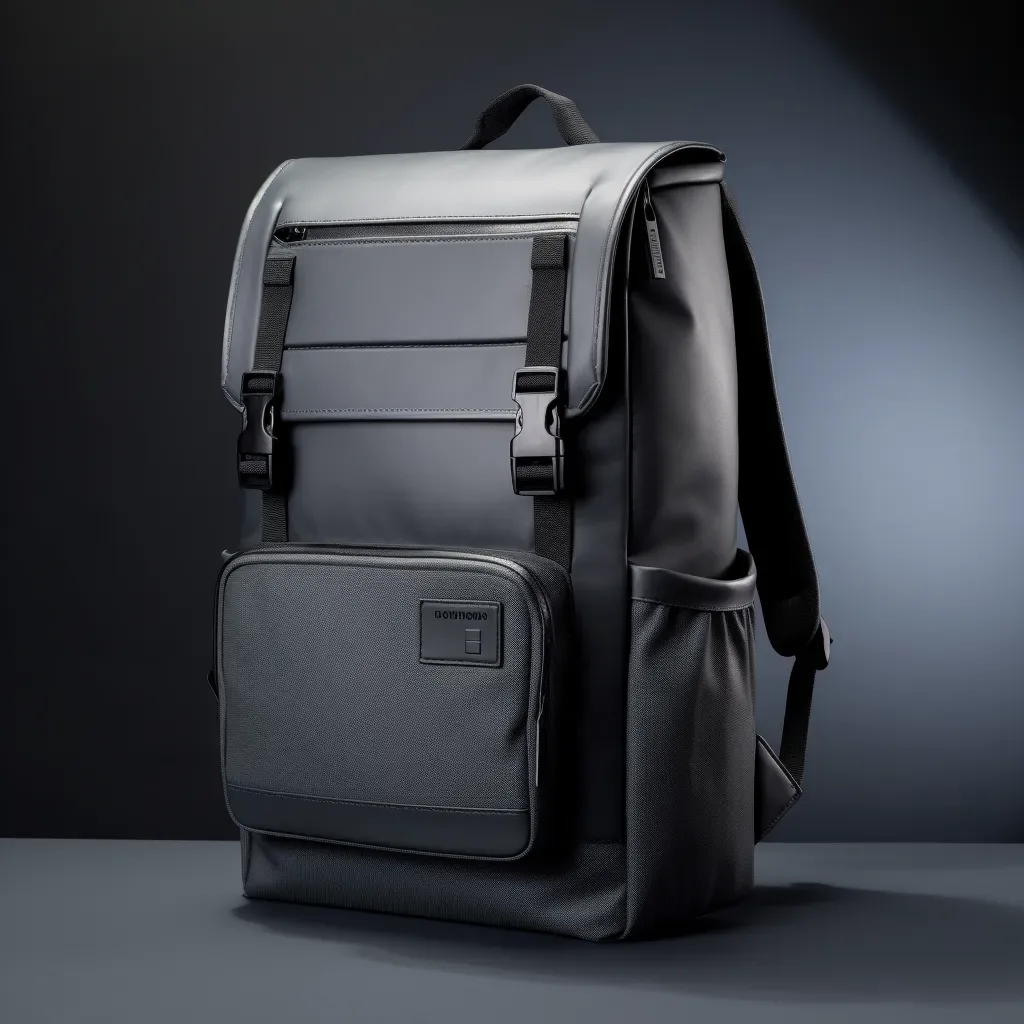
Business Bags
Briefcases, laptop bags and executive carry for corporate programmes, where structured frames and edge finishing carry the perceived value.
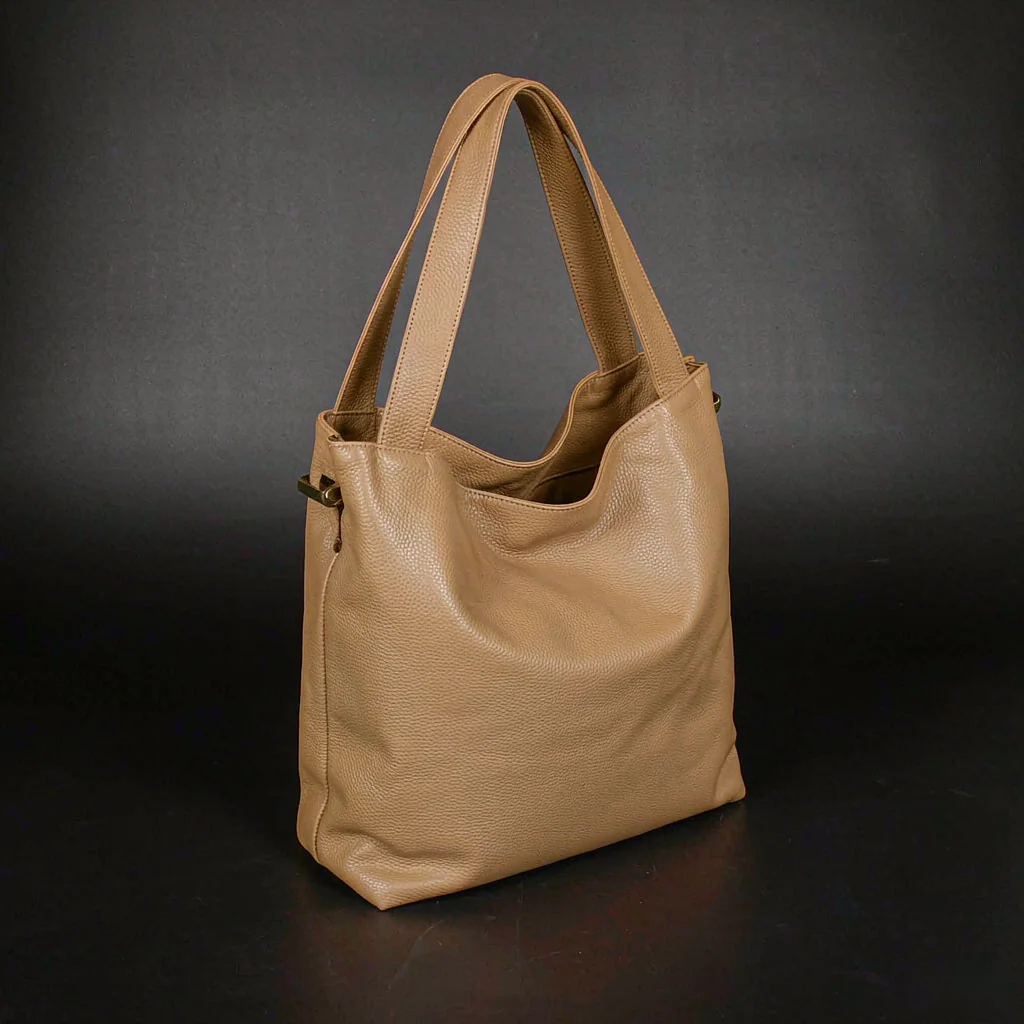
Tote Bags
Full-grain and top-grain totes with custom dimensions, handle drop, hardware and interior layouts — the highest-volume retail family.
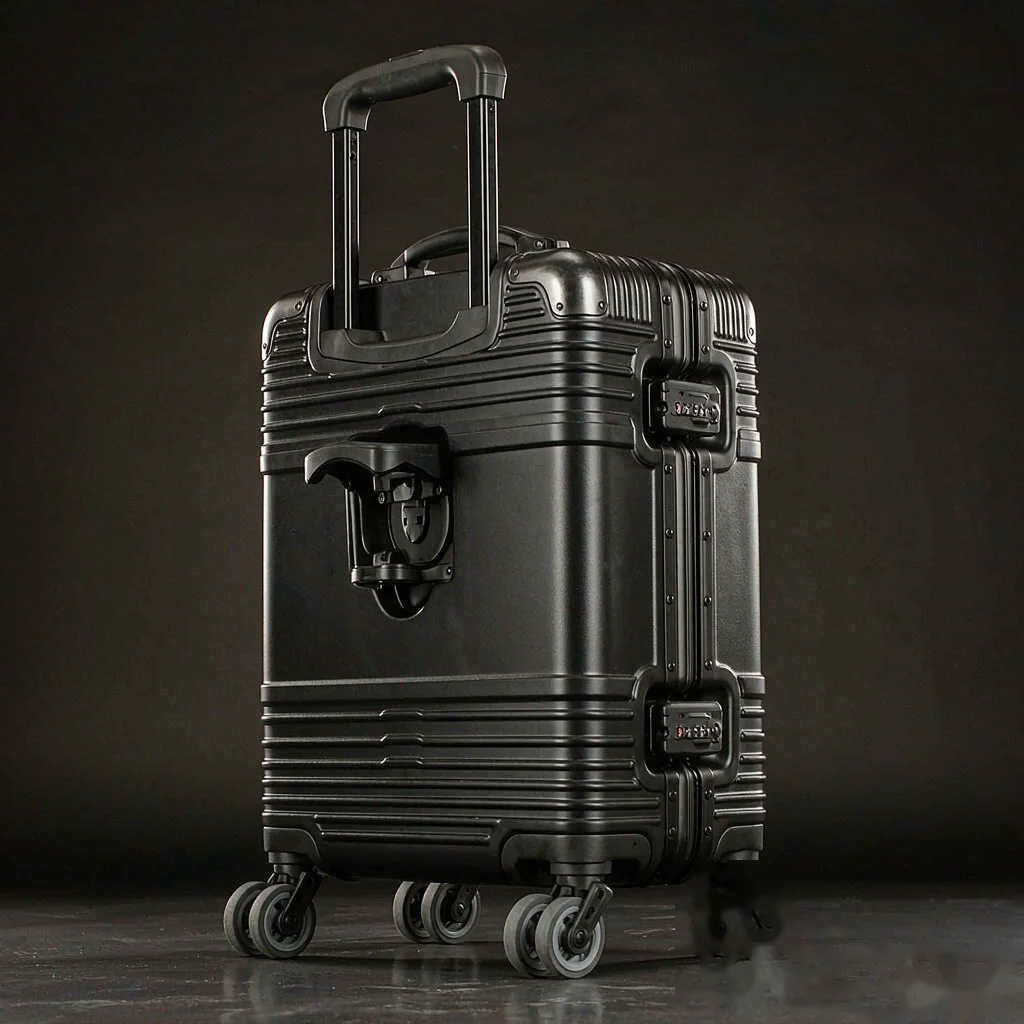
Travel & Luggage
Holdalls, weekenders and wheeled cases engineered for travel retail, where abrasion, hardware strength and weight matter more than stitch count.
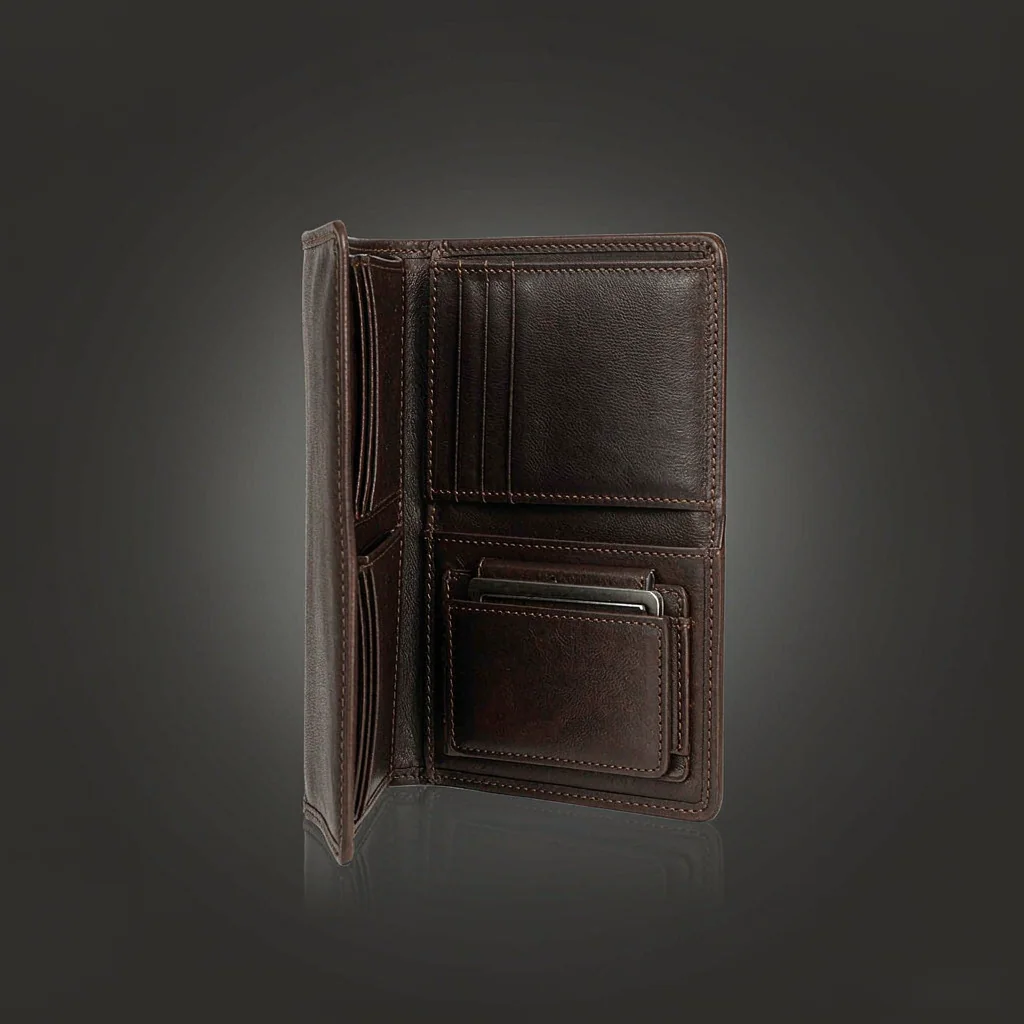
Leather Accessories
Small leather goods that complete a collection — wallets, card holders, pouches and pouches sized to the bag they sit inside.
More Families
The remaining eleven cover narrower briefs: occasion pieces, hospitality amenities, cabin-size travel, and the seasonal collection work that pulls several families into one range.
Custom Crossbody Bag Fit and Hardware
Develop crossbody bags around strap fit, compact hardware and loaded balance. MOQ 500; sampling 6–10 working
Bespoke Messenger Bags
Bespoke messenger bags specified around strap geometry, load points and flap closure. From 9 to 20 litres, MOQ
Custom Evening Bags, Frames and Finishes
Engineer custom evening bags with controlled frames, satin, chains and embellishment. MOQ 500; sampling 6–10
Bespoke Garment Bags
Bespoke garment bags built to a stated garment length and hanging method: gussets, roll bars, restraint and
Bespoke Rolling Luggage
Bespoke rolling luggage engineered around a declared chassis: handle travel and wobble, wheel compound and
Bespoke Carry-On Bags
Bespoke carry-on bags patterned to a named airline cabin allowance and weighed packed, not empty. MOQ 500 per
Bespoke Travel Bags
Bespoke travel bags: weekenders, cabin holdalls and convertible carry specified to dimension limits and weight
Bespoke Hotel Amenities
Bespoke hotel amenities developed as a matched room set: trays, laundry and shoe bags, compendiums, spa
Luxury Handbag Development and Quality Control
Develop luxury handbags through hide mapping, calibrated structure, custom hardware and finish limits. MOQ 500
Bespoke Duffel Bags
Bespoke duffel bags from 25 to 100 litres: opening geometry, handle assembly, base structure and wet zones
Custom Collections
Custom bag collections planned as one commercial system: SKU architecture, shared material and hardware
How to Choose Between Families
Buyers usually arrive with a picture and a price. The table maps the picture to the family and the family to the constraint that will decide the price.
| If the brief says… | Family | What decides the cost |
|---|---|---|
| "An everyday bag that also works in a meeting" | Handbags, tote bags | Leather grade and lining; a hand-finished edge roughly doubles the labour content of the edge |
| "Something our staff will carry to clients" | Business bags, messenger bags | Frame structure and laptop protection; structured bodies need skiving and stiffener |
| "A bag that survives a commute and a flight" | Backpacks, carry-on bags | Strap-root reinforcement and zipper grade, not the shell material |
| "A weekend piece for the travel range" | Travel bags, duffel bags, travel & luggage | Abrasion resistance and hardware strength; weight matters more than stitch density |
| "A gift that carries our logo into a hotel room" | Hotel amenities, leather accessories | Volume and consistency — small goods are priced by the hundred, not the piece |
| "A capsule range for next season" | Custom collections | How many silhouettes share one material and one hardware finish |
What Changes Between Families
Four variables move between families, and only four. Material grade is broadly shared across a collection. Construction method is what changes: a tote is a folded, gusseted shell with a continuous handle passing through the body; a structured briefcase is a framed box with skived panels and a separate base; a backpack adds load-bearing strap roots and a shaped back panel; a wheeled case adds a frame, a telescopic handle and a wheel housing that takes the entire dynamic load of the bag in motion.
Hardware follows construction. Structured bodies take turn-locks and full-grain-friendly plate hardware; soft bodies take magnetic snaps, dog-leash hooks and lighter D-rings. Lining follows hardware: heavy linings stiffen a soft bag and ruin its drape, while thin linings fail at the zip tape on a structured bag. Interior layout is the last variable and the most negotiable — it is also where brands most often over-specify on the first order and cut back on the second.
Everything above is decided in the specification sheet, which is issued and signed before any material is cut. A family page tells you what a shape is; the specification sheet tells you what your version of it will weigh, cost and take to build.
Scoping a Family That Is Not Listed
Roughly one programme in five starts from a shape that does not map cleanly to these seventeen — a hybrid tote-backpack, a case for an instrument, a bag built around a specific piece of equipment. Those are not a problem; they are a pattern-development job, and they follow the same path: reference and intent, then a construction proposal, then a paid sample, then a specification sheet. The only difference is time — a new pattern set typically adds one sampling round and 5–8 working days before the sample that gets approved.
Frequently Asked Questions
How many product families can one order cover?
As many as the total volume supports. The 500-piece minimum applies per style and colourway, not per family, so a first order of 2,000 pieces can reasonably span three or four families if each style clears its own threshold.
Does a new shape cost more than an existing one?
The piece price does not change; the development does. A new pattern set adds a sampling round and 5–8 working days before approval, and the sample itself is charged. Once the pattern exists, repeat orders are priced as a normal production run.
Which family is cheapest to start with?
Small leather goods and unstructured totes, because they use fewer pattern pieces, less stiffener and simpler edge work. Structured business bags and wheeled cases carry the highest first-order cost because the frame, stiffener and hardware set are non-negotiable.
Can I mix leather grades across a family?
Yes, and it is often the right answer: a full-grain body with a split-leather gusset and a microfibre lining keeps the visible surface premium while controlling cost where the eye does not land. Colour matching across grades is checked in the sample, not assumed.
Do you develop the specification, or do I?
Jointly. You own the commercial intent — price point, target market, silhouette — and the programme team converts it into measurements, tolerances, material codes and construction notes. The signed sheet is the document both sides are held to.
Not sure which line fits your brief?
Send sketches, references or a tech pack — the team will map it to the right family and quote the programme, with the cost drivers separated out.