
Starting a private label bag brand in 2026 means positioning the range, choosing an opening category mix, writing a usable specification, validating materials, sampling and approving, building a landed-cost model, running bulk with inspection, and then launching with a measurement plan. The whole sequence runs roughly six to nine months from first decision to first sale, and the brands that compress it successfully do so by making decisions in the right order rather than quickly. Programme parameters are stable: 500 pieces per style and colourway, sampling in 6 to 10 working days, bulk in 35 to 50 days after approval.
The most common cause of a stalled launch is not a shortage of ideas. It is a brand that begins development before fixing a price band, then discovers during sampling that the bag it wants costs more to build than its market will pay. Positioning is therefore step one, and it is a commercial exercise rather than a creative one.
A second observation, drawn from how programmes actually run: the brands that reach a second season are usually the ones that launched with fewer styles. Three well-developed products with shared components absorb less capital, generate cleaner sell-through data and leave budget for the replenishment that follows. Breadth is a second-season decision.
Programme parameters at a glance
| Parameter | Commitment |
|---|---|
| Minimum order quantity | 500 pieces per style / colourway |
| Sampling lead time | 6–10 working days (12–15 days for complex constructions) |
| Bulk production lead time | 35–50 days after sample approval |
| Inspection standard | AQL 2.5 (ISO 2859-1), single sampling, general level II |
| Incoterms | FOB Xiamen — EXW, CIF and DDP available on request |
| Payment terms | T/T 30% deposit / 70% before shipment; L/C at sight for container loads |
| Verified production floor space | 4,950 m² (SGS-verified) |
| Team | 137 staff across 7 production lines |
| Equipment | 149 machines including computerised saddle-stitch and edge-painting units |
| Monthly capacity | 200,000 pieces |
| Entity | Founded 2014; principal has worked in bag development since 2004 |
Step 1: Fix the position and the price band
Positioning determines everything measurable in the programme. A brand aiming at a mid-market price point cannot specify hand-painted edges, cast hardware and full-grain calf throughout, because the labour content alone puts the unit cost above the target. Writing the price band down before the first sketch converts an argument into a constraint, which is what a design brief needs.
| Price band | Realistic material and build | Implication for margin |
|---|---|---|
| Entry premium | Corrected or top-grain leather, standard fittings, machine edge finish | Volume-dependent; freight and duty dominate |
| Mid premium | Full-grain leather, custom plate, mixed edge treatment | Workable at 500 pieces with disciplined tooling spend |
| Upper premium | Calfskin or exotic accents, cast hardware, hand-finished edges | Requires higher minimums or a higher retail multiple |
| Luxury | Full exotic or rare material, bespoke hardware development | Development amortised over multiple seasons |
The band also dictates the sales channel. Entry premium works through marketplaces where comparison is constant. Upper premium needs controlled distribution, because a high price without a controlled environment reads as unjustified. Choosing the channel after choosing the price is how brands end up discounting in month two.
Step 2: Choose an opening category mix
The opening mix should do three jobs at once: demonstrate the brand's point of view, generate cash within one season, and share components so that tooling cost stays low. Those jobs rarely point to the same styles, which is why the mix should be chosen deliberately rather than by preference.
- One anchor style: the bag that expresses the brand, usually structured and photographed most.
- One volume style: a lower-priced piece with broad appeal that carries cash flow.
- One functional style: a category where purchase is driven by use rather than by taste, such as a business sleeve or travel piece.
- Shared hardware finish, lining and edge treatment across all three, so the range reads as one house.
- Avoid, in season one, any style requiring new moulded hardware or a hard-shell construction.
Capacity planning sits behind this choice too. A three-style opening is comfortable for a brand working with one development partner and one production window. Six styles across four material families requires two sampling cycles, more tooling and a longer calendar, and it usually means the launch date slips by a season rather than by a few weeks.
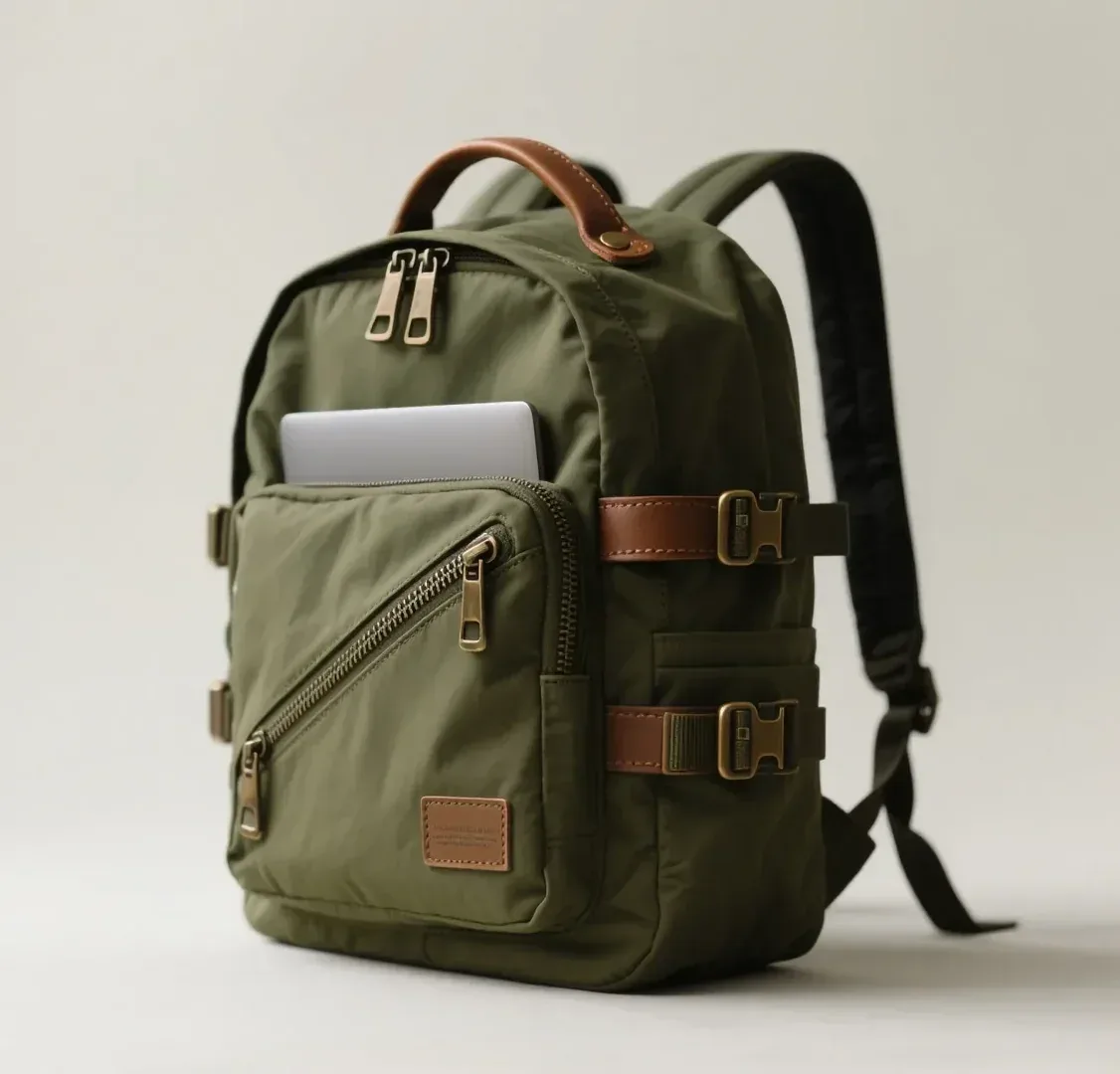
Season one is also the moment to decide what the brand will not make. Declining a category is cheaper than developing it badly, and a range that defers evening bags or technical travel pieces until the platform exists will look more resolved than one that attempts everything at once.
Step 3: Write a specification that can be quoted
A specification converts intent into something a line can build. It does not require CAD mastery, but it does require numbers. Drawings with dimensions, a named material list, hardware references, construction notes and packing instructions are enough to produce an accurate quotation and a representative sample.
- Sketch each style front, side and back with key dimensions in millimetres, including strap drop and base depth.
- List every component: shell, lining, interlining, stiffener, thread, zip, feet, plate, strap, packaging.
- Name materials by tannery or mill reference, not by adjective, and note acceptable substitutes.
- Specify hardware finish codes and plating thickness, plus pull-test expectations for load points.
- State stitch density per area and the edge finishing method for each visible edge.
- Define packing: individual bagging, tissue, dust bag, carton quantity, carton specification, barcode placement.
Brands often worry that a detailed specification removes creative freedom. In practice it does the opposite. Once the non-negotiables are documented, the remaining decisions can be explored in sampling with confidence, because the baseline is fixed and any change can be evaluated against a known cost.
Step 4: Validate materials before sampling
Material selection should be settled before the first pattern is cut, because changing the substrate after sampling invalidates half the work. Leather weight, temper, finish and colour fastness all affect how a panel behaves on the machine, how an edge paints and how the bag sits on a shelf.
| Decision | What to verify | Why it matters later |
|---|---|---|
| Substance and temper | Thickness in millimetres, stiffness, drape | Determines whether the silhouette holds shape |
| Finish and colour | Rub fastness, light fastness, batch consistency | Batch variation causes visible shade differences in bulk |
| Lining pairing | Weight compatibility, colour match, abrasion | Heavy linings distort light shells |
| Hardware plating | Finish code, thickness, salt-spray performance | Thin plating tarnishes within a season |
| Traceability | Tannery documentation, LWG status where claimed | Supports compliance and brand claims |
| Chemical status | REACH and CPSIA documentation for the market | Required before goods can be sold legally |
Where a brand intends to make a sustainability claim, the documentation has to exist at this stage rather than at launch. Trade estimates suggest buyers increasingly ask for evidence before they ask for price, and a claim that cannot be substantiated is a liability rather than a marketing asset. OEKO-TEX and Leather Working Group references are the usual forms of evidence.
Build a physical sample library as you go. Retained swatches of every approved material, with the tannery reference and approval date written on the back, become the reference set for every future season and for any dispute about batch variation. Photographs are not sufficient, because screens render colour differently and because hand feel cannot be recorded in an image. A library of twenty swatches costs almost nothing and saves an entire sampling round in year two.
Step 5: Sample, revise and approve
Sampling is where the design meets physics. The first physical sample arrives in 6 to 10 working days for standard constructions and 12 to 15 for complex ones. Expect two to three rounds for a genuinely new style, and treat each round as a decision cycle with a written list of changes rather than a general impression.
- Measure the sample against the specification before judging it aesthetically; a bag that looks right but sits two millimetres out will not repeat in bulk.
- Load it: fill the bag to realistic weight and carry it, checking handle roots, strap attachments and zip behaviour.
- Check symmetry, edge finish consistency, seam alignment and the interior under good light.
- Photograph every revision round from fixed angles so that changes are visible in comparison.
- Approve in writing and retain a signed sample on both sides as the reference for bulk.
The retained sample is the single most important artefact in the programme. Bulk disputes are resolved by comparing goods against it, so it should be signed, dated, photographed and stored in a condition that will not itself degrade. A pre-production sample built from bulk materials is stronger evidence still.
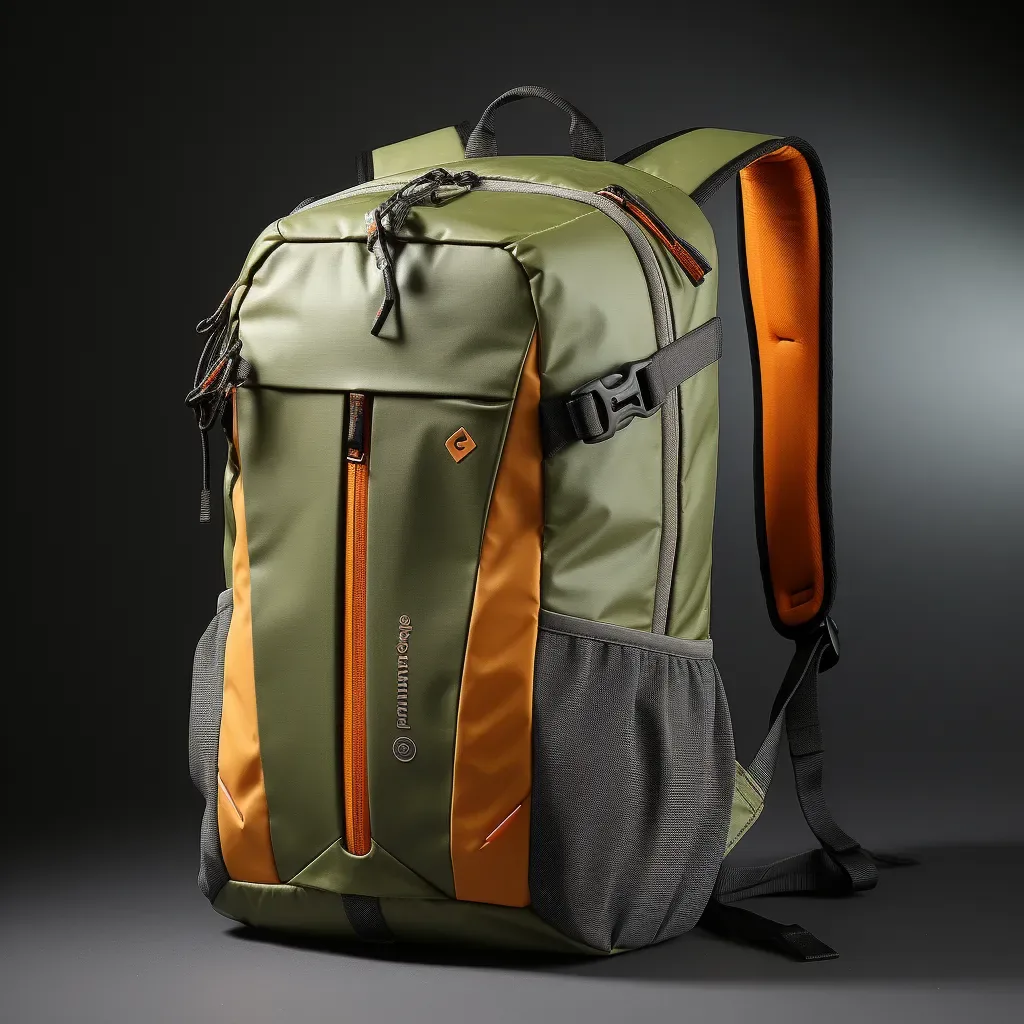
Step 6: Build the landed-cost model
Before the deposit is paid, the brand should know the full cost of getting one sellable unit into a customer's hands. That figure includes the unit price, amortised tooling, inspection, freight, duty, inland delivery, payment processing, returns provision and the cost of capital during the production and transit window.
| Line | Typical treatment | Common error |
|---|---|---|
| Unit price | Quoted per style and colourway at the agreed quantity | Comparing quotes at different quantities |
| Tooling | One-off; amortise across two seasons | Charging the whole cost against season one |
| Inspection | Per shipment, budgeted in advance | Discovering the cost at shipment |
| Freight and duty | Per mode and tariff classification | Using a generic multiple instead of a classification check |
| Returns provision | Percentage of forecast units | Pricing as if every unit sells |
| Capital cost | Deposit through transit, monthly | Ignoring the cash gap entirely |
With payment typically structured as a 30 per cent deposit and 70 per cent balance before shipment, capital is committed for sampling, the 35 to 50 day production window and transit combined. Modelling that gap against the launch date prevents the familiar outcome where the goods land on time and the marketing budget has already been consumed.
Step 7: Run bulk with inspection discipline
Bulk production begins after sample approval and runs 35 to 50 days. The brand's leverage during that window comes from checkpoints agreed in advance: material intake verification, first-piece inspection, in-line monitoring and a final random inspection before the balance payment is released.
| Checkpoint | Timing | What the brand receives |
|---|---|---|
| Material intake | Before cutting | Confirmation that materials match approved references |
| First-piece check | First units off the line | Photographs and measurements against the approval sample |
| In-line monitoring | During production | Progress report and defect trend notes |
| Final inspection | Before shipment | AQL 2.5 report under ISO 2859-1, general level II |
| Packing audit | At cartoning | Carton count, labelling and barcode verification |
Communication cadence during bulk is worth agreeing in advance. A weekly progress note with photographs, even when nothing is wrong, removes the temptation to request unscheduled interventions, which disrupt the line and rarely improve the outcome. Brands that ask for updates on a fixed day receive better information than brands that ask whenever they feel uncertain.
The order of the last two rows matters commercially. Releasing the balance payment before the final inspection report is received removes the only practical lever a brand has. Standard practice is to make the balance conditional on a passed inspection, with the report attached to the shipping documentation.
Step 8: Launch, measure and replenish
A launch is a measurement exercise as much as a marketing one. The useful data is not the first week's revenue but the rate of sale by style, the return reasons and the questions customers ask before buying. Those three signals determine what the second drop should contain.
| Signal | What it tells you | Typical response |
|---|---|---|
| Sell-through by style | Which silhouette carries the range | Reorder the leader first, at higher quantity |
| Return reasons | Fit, strap drop, weight or finish issues | Correct the specification on the next run |
| Pre-purchase questions | What the product page fails to explain | Fix photography and copy before reordering |
| Colour split | Which colourways actually sell | Drop the weakest colourway next season |
| Margin after discounts | Whether the price band holds | Rebuild the cost model or reposition |
The second drop should be planned while the first is still selling, because the platform now exists. Patterns, tooling and material approvals carry over, so development time shortens and the quotation improves. Adding one style to an approved platform is materially cheaper and faster than launching a new category from nothing, which is why most successful labels extend sideways before they extend upwards in price.
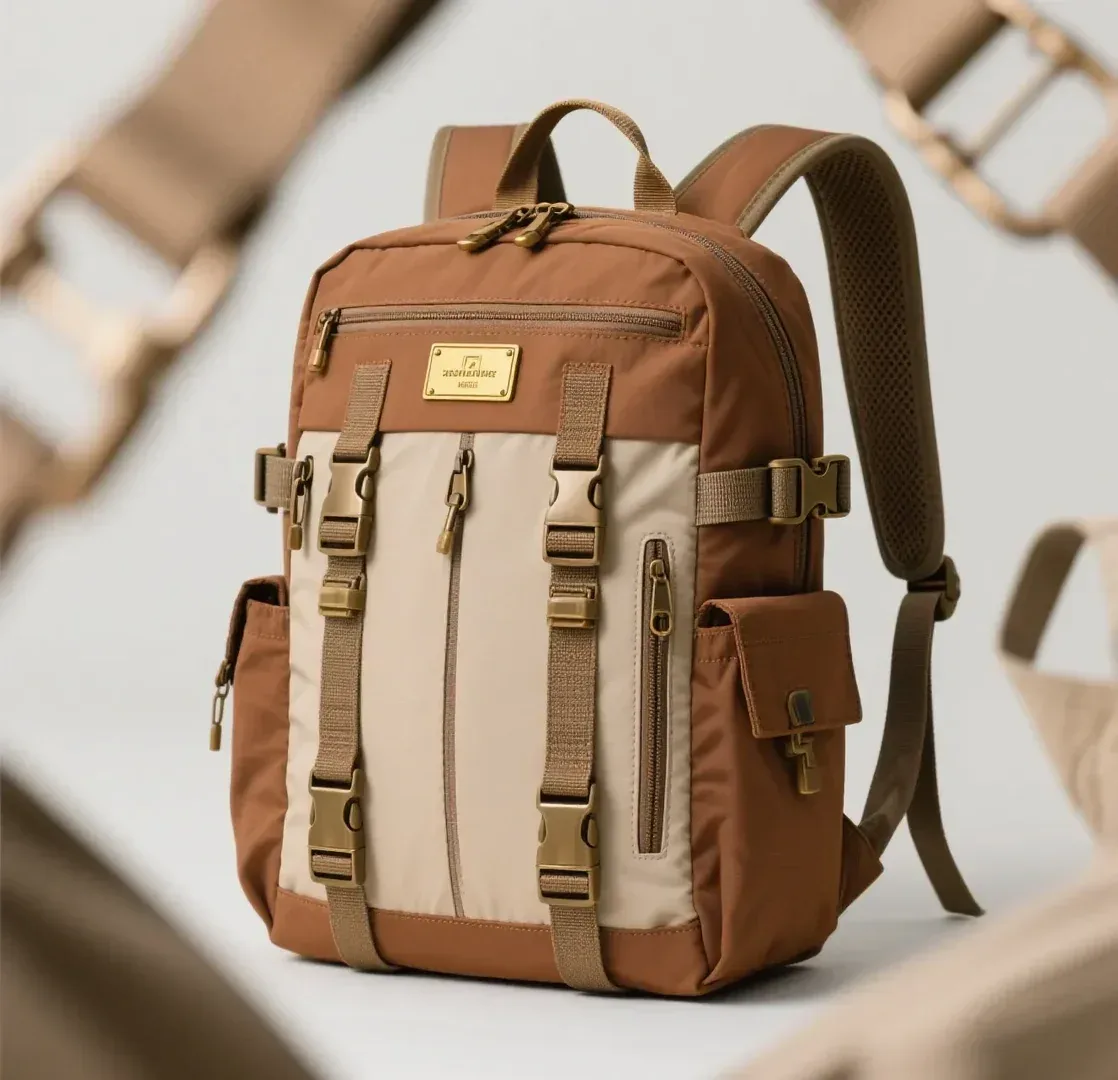
Replenishment should be ordered while the first drop is still selling, because the same 35 to 50 day window plus transit applies and stock-outs at month three are the most expensive outcome in the calendar. Brands that plan the reorder at launch rarely lose momentum; brands that wait for the sell-out usually do.
Take your first private label range from brief to launch
The programme team supports brand owners through positioning, specification, material validation, sampling on a 6 to 10 working day cycle and bulk in 35 to 50 days from a 500-piece minimum per style and colourway, coordinated from Quanzhou, Fujian. Send your category, target price and launch window to service@junyuanbags.com, or reach the team on WhatsApp at +86 177 5002 0688.
Frequently Asked Questions
How much does it cost to start a private label bag brand?
The dominant costs are development and first bulk: sampling, tooling for any custom hardware, the first production run at 500 pieces per style and colourway, plus inspection, freight and duty. A three-style launch therefore carries three sets of development costs. Brands usually reduce the figure by sharing components across styles and by deferring custom hardware to the second season.
How long does it take to launch a bag brand?
Plan for six to nine months from first decision to first sale. Positioning and specification take several weeks, sampling runs 6 to 10 working days per round with two to three rounds typical, bulk takes 35 to 50 days after approval, and freight adds transit and customs clearance. Brands that launch faster usually do so by reducing the number of styles.
Do I need design experience to start a bag brand?
Not formally, but you need to make design decisions and document them. A clear concept, reference images, a target price and a willingness to specify dimensions and materials are enough to begin. The development partner contributes pattern, construction and material expertise; what the brand must supply is the position and the decisions that follow from it.
How many styles should a first collection include?
Three is usually the right number: one anchor style that expresses the brand, one volume style that carries cash flow, and one functional style driven by use rather than taste. Sharing hardware finish, lining and edge treatment across all three keeps tooling cost down and makes the range read as one house rather than as separate products.
Can I start a bag brand with a small budget?
Yes, if the budget is allocated carefully. Concentrate spend on one or two styles rather than spreading it, avoid custom moulded hardware in season one, use standard finishes, and consider a small-batch pilot to validate demand before committing to a full run. Unit cost per piece will be higher on a pilot, but total exposure is lower.
What is the minimum order for a first private label run?
The standard opening point is 500 pieces per style and colourway, which reflects line setup, material purchase minimums and cutting economics. Small-batch pilots below that level can be arranged for brands validating a category. The trade-off is unit price: below the standard minimum, fixed setup costs are spread across fewer pieces.
How do I choose what to make first?
Choose the style that expresses your position and can be built within your price band. Work backwards from the retail price to the allowable cost, then select materials and hardware that fit it. A structured tote, a crossbody and a business sleeve cover most openings, because they span price points while sharing fittings and construction methods.
Do I need a registered trademark before starting?
It is strongly advisable. Register the brand name and logo in the markets where you intend to sell before goods are produced, because branded hardware tooling and packaging print runs are expensive to redo. Registration also supports marketplace brand registry applications and gives you a basis for action against copyists.
What should I check on the first sample?
Measure it against the specification before judging it visually, then load it to realistic weight and carry it. Check seam alignment, symmetry, edge finish consistency, zip action and interior finish under good light. Photograph each revision from fixed angles so changes are comparable, and approve in writing with a retained signed sample.
How do I set the retail price for my bags?
Build the landed cost first, including unit price, tooling amortisation, inspection, freight, duty, payment processing, returns provision and capital cost. Then apply the multiple your channel requires, typically higher for wholesale than for direct-to-consumer, and test the result against comparable products. Pricing off the factory price alone understates cost substantially.
What inspection standard should a new brand insist on?
AQL 2.5 under ISO 2859-1, single sampling, general level II, is the accepted benchmark and should be written into the specification. It defines how many minor and major defects are tolerated in a random sample before a shipment fails. Insist that the final inspection report is issued before the balance payment is released, not after.
When should I place my reorder?
While the first drop is still selling, not after it sells out. The same 35 to 50 day bulk window plus transit applies to replenishment, and a stock-out at month three costs more in lost momentum than the carrying cost of ordering early. Use sell-through data from the first six weeks to set the reorder quantity.
What compliance does a new bag brand need before selling?
Requirements depend on the destination market. REACH governs restricted substances in the European Union and CPSIA applies in the United States, with additional rules for products sold to children. Country-of-origin marking and material composition statements are also required on the product or packaging. Arrange testing during development, because reports take time and cannot be produced after goods have shipped.
How do I choose a production partner for a first brand?
Look for verifiable capability: documented floor area, staffing, line count, monthly capacity and audit records, plus a willingness to build a physical sample to your specification rather than sending catalogue pieces. Ask whether tooling and patterns will be held for your exclusive use, and confirm the inspection standard in writing. Verifiable numbers matter more than a polished presentation.
Can I sell private label bags on my own website?
Yes, and direct-to-consumer is the most common route for new labels because it preserves margin and gives you the customer data. You will need product photography, accurate material descriptions, care instructions and a returns policy. Compliance labelling for your market still applies, including origin marking and material composition statements on the product or packaging.