Published: January 20, 2025 |Reading Time: 16 minutes |Category: OEM/ODM Process & Client Relations
Client onboarding in leather bag OEM manufacturing is the structured process through which a brand client transitions from initial inquiry to active mass production with an original equipment manufacturer. It encompasses needs assessment, design brief development, technical specification finalization, sampling and approval cycles, communication protocol establishment, and production readiness verification.
According to the Harvard Business Review's research on B2B customer experience, companies that implement structured onboarding processes improve client retention rates by 25% and reduce time-to-first-order by an average of 30%, demonstrating that onboarding quality directly impacts long-term commercial outcomes.
Launching a leather bag line with an OEM manufacturer is one of the most consequential decisions a brand can make. Unlike commodity products where switching suppliers is relatively frictionless, the relationship between a leather goods brand and its manufacturing partner involves deep technical knowledge transfer, design IP protection, quality standard alignment, and communication rhythm establishment. Getting the onboarding process right is not a luxury—it is the foundation of a productive, long-term manufacturing partnership.
At Bespoke Bags (Junyuan Bags), we have refined our client onboarding process over 20+ years of serving 200+ brands across 100+ countries. Operating from our 4,950 m² SGS-verified production floor in Quanzhou, China, we have developed a structured workflow that consistently takes clients from initial inquiry to production launch in 10-12 weeks for standard projects. This guide shares that framework in full detail.
Why Structured Onboarding Matters in Leather Bag OEM
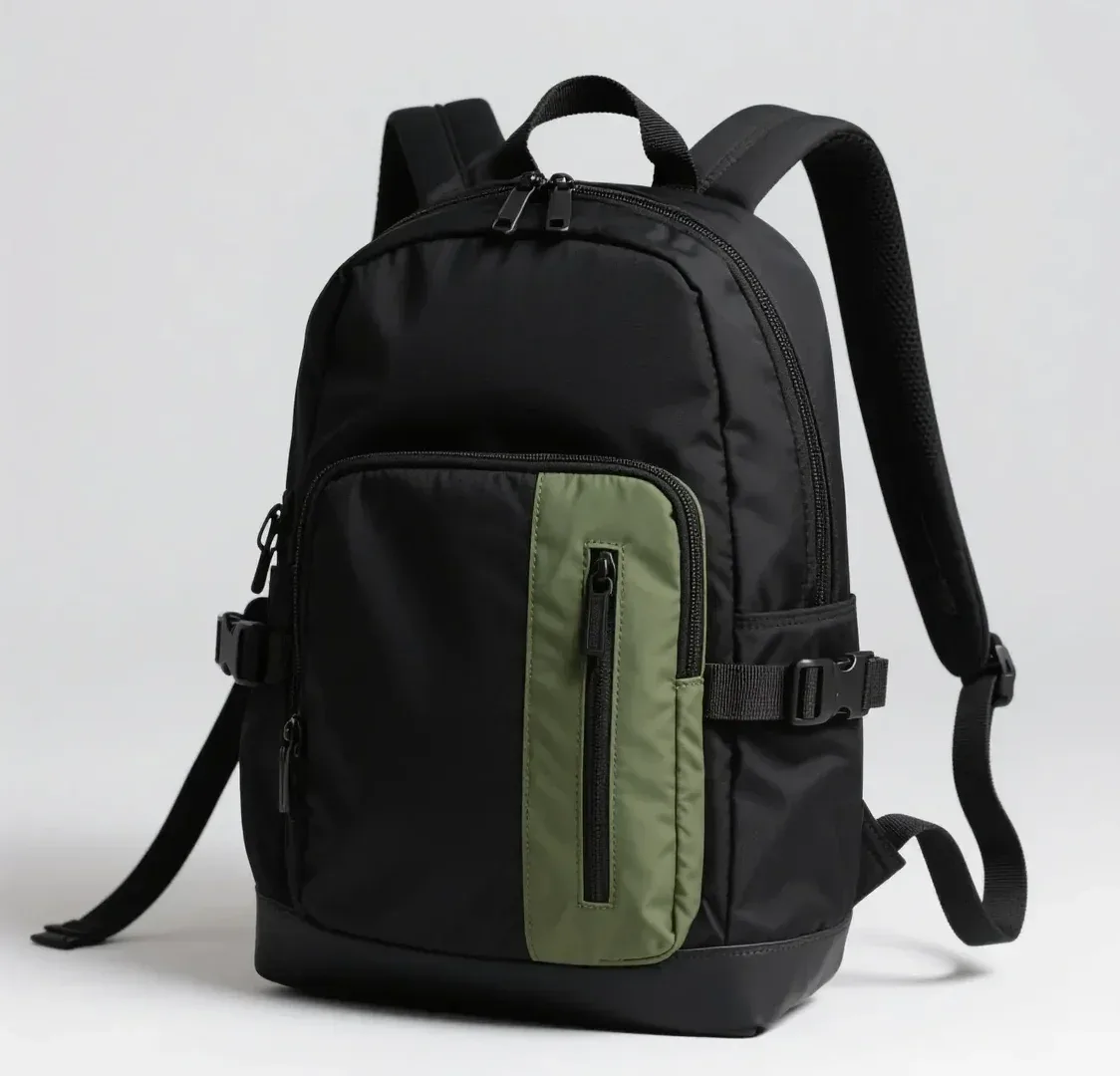
The leather goods manufacturing industry presents unique onboarding challenges that make structured processes essential rather than optional.
Complexity of Material Specifications
Leather is a natural material with enormous variability—type (full-grain, top-grain, split, bonded), animal source (cow, goat, lamb, exotic), tanning method (vegetable, chrome, combination), finish (aniline, semi-aniline, pigmented, nubuck, suede), and thickness all affect the final product's appearance, feel, durability, and cost. Unlike synthetic materials where specifications can be communicated through simple data sheets, leather requires physical reference samples, swatch comparisons, and hands-on evaluation.
A poorly specified material choice discovered after production begins can delay a project by 4-8 weeks. Structured onboarding ensures material decisions are finalized and validated during the sampling phase—when changes cost hundreds of dollars rather than tens of thousands.
High Stakes of Design Accuracy
Leather bags are brand-defining products. A handbag from a luxury label carries the brand's identity in its proportions, stitching patterns, hardware selection, and tactile quality. Unlike injection-molded plastic products where tolerances of ±0.5mm are acceptable, leather bags often require precision within ±1-2mm on critical dimensions—and aesthetic elements like stitch count per inch, edge finishing, and logo placement must match brand guidelines exactly.
According to a study published in the Journal of Fashion Marketing and Management (2023), product quality inconsistencies account for 34% of brand-manufacturer relationship terminations in the fashion accessories sector, with the majority of these issues traceable to inadequate initial specification and approval processes.
The Cost of Miscommunication
International OEM relationships add a layer of communication complexity—time zone differences, language barriers, and cultural differences in business communication styles can all contribute to misunderstandings that compound over time. A structured onboarding process builds in regular checkpoints, documented communication protocols, and clear escalation paths that minimize these risks.
Key Statistic: The International Association of Contract & Commercial Management (IACCM) reports that poor onboarding and specification processes account for an estimated 9.4% of revenue leakage in B2B manufacturing relationships. For a leather bag brand placing $500,000 in annual orders, this translates to $47,000 in avoidable costs annually.
The Complete Leather Bag OEM Onboarding Workflow
Below is the comprehensive onboarding process, broken into six sequential stages. Each stage has defined inputs, activities, outputs, and approval gates that ensure smooth progression toward production launch.
Stage 1: Initial Consultation & Needs Assessment
The first stage sets the trajectory for the entire project. A thorough initial consultation prevents costly misunderstandings downstream and enables the manufacturer to provide accurate, actionable quotations.
1
Brand Discovery Session
The process begins with a comprehensive brand discovery conversation. At Bespoke Bags, this typically takes the form of a structured video call or in-person meeting (for clients visiting our 4,950 m² SGS-verified production floor in Quanzhou) covering:
- Brand positioning and target market segment
- Product category focus (handbags, totes, business bags, travel bags, small leather goods)
- Target price points at retail and corresponding manufacturing cost targets
- Volume projections for the initial order and forecast for the first 12 months
- Timeline requirements aligned with market launch plans
- Regulatory and compliance requirements for destination markets
2
Capability Assessment & Matching
Based on the discovery session, the manufacturer assesses whether the project aligns with their capabilities. This includes evaluating material requirements against sourcing networks, production capacity against volume needs, and technical complexity against workforce expertise. At this stage, the manufacturer should transparently communicate any constraints and propose alternatives if needed.
For clients exploring custom design services, this is also when the design team reviews reference images, sketches, or existing products to assess feasibility and provide initial creative direction.
3
NDA Execution & Initial Quotation
Before sharing detailed designs, brand assets, or proprietary construction methods, a Non-Disclosure Agreement should be executed. This protects both parties and establishes the professional foundation for the relationship.
Following the NDA, the manufacturer provides an initial budgetary quotation based on the information gathered. This quotation should clearly state:
- Estimated unit costs at various volume tiers
- Sampling costs and timeline
- MOQ requirements (at Bespoke Bags, our MOQ of 500 pieces for bags and 500 pieces for small accessories)
- Payment terms and conditions
- Estimated lead times for sampling and production
Stage 2: Design Brief Development & Technical Specification

Once the initial consultation is complete and both parties agree to proceed, the project transitions into detailed design development. This stage transforms creative concepts into production-ready technical specifications.
Creating the Technical Package (Tech Pack)
The tech pack is the master document that governs all aspects of production. For leather bags, a comprehensive tech pack includes:
- Construction drawings: Multi-view technical illustrations showing all panels, seams, pockets, and construction details with precise measurements
- Bill of Materials (BOM): Complete itemization of every material component—leather (with grade, thickness, and finish specifications), lining fabrics, hardware (with material, finish, and supplier references), thread (type and color codes), interlinings, and packaging materials
- Color and material specifications: Pantone references for all colors, leather swatch approvals, and hardware finish samples
- Logo and branding placement: Precise specifications for logo application method (debossing, embossing, heat stamp, metal plaque), position, size, and color
- Construction notes: Stitch type and density (stitches per inch/centimeter), edge finishing method, reinforcement details, and any special construction techniques
- Quality standards: Acceptable tolerances for dimensions, color variation, and cosmetic standards
Material Selection & Sourcing
Material selection is arguably the most critical technical decision in leather bag development. The choice affects cost, durability, aesthetics, regulatory compliance, and production efficiency.
Key material decisions include:
- Leather selection: Full-grain vs. top-grain, vegetable-tanned vs. chrome-tanned, thickness (typically 0.8-1.4mm for bag bodies, 1.2-1.6mm for structural panels). For brands committed to sustainability, Leather Working Group certified tannery sourcing should be specified.
- Hardware specification: Material (zinc alloy, brass, stainless steel), finish (gold, silver, antique, brushed), and quality grade. Hardware durability testing (pull strength, salt spray resistance) should be specified for premium products.
- Lining and trims: Fabric type (cotton twill, polyester, microfiber suede), weight, and color. For luxury handbags, lining quality is a significant brand perception factor.
✓ Milestone: Tech Pack Sign-Off
This stage concludes with formal client approval of the complete tech pack. Both parties should retain identical, version-controlled copies. Any changes after this point should be documented through a formal change request process to maintain traceability.
Stage 3: Sampling Timeline & Approval Milestones
The sampling stage is where designs transition from paper to physical reality. It is the most iterative stage of the onboarding process and the one where clear communication protocols matter most.
Sampling Progression
Managing the Sampling Feedback Loop
Effective sampling requires a structured feedback protocol. At Bespoke Bags, we recommend the following approach:
- Documented feedback within 5 business days: Upon receiving a sample, the client should provide structured feedback within 5 business days. Delays in feedback directly extend the project timeline.
- Annotated photographs: Feedback should include photographs with annotations marking specific areas of concern or requested changes. Verbal descriptions alone often lead to misinterpretation.
- Prioritized change requests: Categorize feedback as "must fix" (blocks approval), "should fix" (strongly recommended), or "nice to have" (optional if feasible without delaying the timeline).
- Single point of contact: Designate one person on each side as the approval authority to avoid conflicting instructions from multiple stakeholders.
Industry Best Practice: According to the International Apparel Sourcing Network (IASN), OEM projects with clearly defined sampling milestones and feedback protocols complete the sampling phase 40% faster than those with informal or ad-hoc communication processes.
Stage 4: Communication Protocols & Expectation Setting
Parallel to the technical stages, establishing robust communication protocols is essential for a smooth onboarding experience. This is particularly critical in international OEM relationships where time zone differences, language barriers, and cultural communication styles can create friction.
Recommended Communication Framework
- Dedicated account manager: A single point of contact at the manufacturer who coordinates across design, production, and logistics teams on behalf of the client.
- Weekly status updates: Structured email or messaging updates covering project status, upcoming milestones, issues or risks, and action items with owners and deadlines.
- Bi-weekly or monthly video calls: Scheduled calls for deeper discussion of technical matters, sample review, and strategic planning. These should follow a consistent agenda format.
- Shared project tracker: A cloud-based document or project management tool (such as a shared Google Sheet, Trello board, or dedicated portal) where both parties can view real-time project status.
- Escalation protocol: Clearly defined paths for resolving issues—first through the account manager, then to the production manager, then to senior management. Response time commitments should be specified for each level.
Setting Production & Delivery Expectations
Transparent expectation setting during onboarding prevents disputes during production. Key areas to address include:
- Realistic lead times: Based on the specific product, materials, and order volume—never based on optimistic assumptions. At Bespoke Bags, typical production lead times range from 30-60 days after PP sample approval, depending on complexity and volume.
- Quality standards: Explicitly agreed AQL levels, measurement tolerances, and cosmetic standards. Reference the approved PP sample as the quality benchmark.
- Quantity tolerance: Industry standard allows ±5-10% on order quantities due to leather cutting yield variability. This should be agreed upon before production begins.
- Payment schedule: Clear milestones tied to payments (e.g., 30% deposit at order confirmation, 40% after PP sample approval, 30% before shipment).
- Shipping and logistics: Incoterms (FOB, CIF, DDP), preferred shipping method, and documentation requirements should be clarified during onboarding.
Stage 5: Pre-Production Preparation & Quality Planning

After the PP sample receives final approval, the project enters the critical pre-production preparation phase. This is where the manufacturer mobilizes resources, confirms material deliveries, and establishes quality control checkpoints before full-scale production begins.
Material Procurement & Verification
All materials specified in the approved tech pack are procured and inspected upon arrival. Key verification activities include:
- Leather inspection: Checking grade, thickness, color consistency, and surface quality against approved swatches. Leather is typically measured and graded, with usable area calculated to confirm sufficient yield for the order quantity.
- Hardware testing: Sample hardware pieces are tested for function (zipper pull force, buckle engagement, clasp durability) and appearance (color match, finish consistency, plating quality).
- Color validation: Under standardized lighting conditions (D65 daylight), all materials are verified against approved color standards. Any batch-to-batch variation is flagged before production begins.
Production Planning & Scheduling
The production team creates a detailed manufacturing plan including:
- Cutting plan (marker efficiency optimization to minimize leather waste)
- Production line assignment and workforce allocation
- Daily output targets based on standard minute values (SMV) for each operation
- Quality control checkpoints integrated into the production flow
- Packing and shipping preparation timeline
Quality Control Plan Development
A project-specific quality control plan is developed and shared with the client before production begins. This plan typically includes:
- Incoming material inspection criteria and procedures
- In-process quality checkpoints (cutting accuracy, stitching quality, assembly alignment)
- Final inspection using AQL sampling methodology
- Defect classification (critical, major, minor) with specific examples relevant to the product
- Photographic documentation requirements at each stage
✓ Milestone: Production Authorization
Production launch requires formal client authorization confirming: (1) PP sample approval is current and unqualified, (2) All materials have passed incoming inspection, (3) Production schedule has been shared and agreed, and (4) Payment terms for the production phase have been fulfilled. This formal gate prevents the costly scenario of beginning production on unresolved specifications.
Stage 6: Transition to Ongoing Partnership
The onboarding process concludes not with delivery of the first order, but with a structured transition that sets the foundation for a productive long-term partnership.
Post-Delivery Review
After the first order is delivered, a structured debrief should occur within 2-4 weeks covering:
- Product quality feedback from the client's retail channels or end customers
- Process efficiency review—what worked well and what could be improved
- Timeline accuracy assessment versus original projections
- Cost review—actual costs versus budgetary estimates and drivers of any variance
- Planning for the next order cycle with lessons learned incorporated
Continuous Improvement Integration
The best OEM relationships evolve from transactional interactions into strategic partnerships. This evolution is enabled by:
- Sharing sell-through data and market feedback to inform future designs
- Collaborative cost engineering to improve value without compromising quality
- Joint participation in material innovation—new leather finishes, sustainable alternatives, hardware developments
- Strategic capacity planning—ensuring production slots are reserved for key partners during peak seasons
For brands looking to expand their leather goods range, our custom collections service builds on the foundation established during onboarding to create cohesive product families that maximize material utilization and minimize per-unit costs.
Common Onboarding Challenges and How to Overcome Them
Even well-structured onboarding processes encounter challenges. Drawing on our experience, the most common issues and their solutions include:
Conclusion: Onboarding as the Foundation of Manufacturing Excellence
The onboarding process is the single highest-leverage investment a brand can make in its leather bag manufacturing partnership. A thorough, well-structured onboarding experience—spanning initial consultation through design development, sampling, communication setup, and production preparation—creates the clarity, alignment, and trust that enable efficient, high-quality production.
At Bespoke Bags, we have invested 20+ years in perfecting this process. Our 4,950 m² production floor in Quanzhou, combined with our experience serving 200+ brands across 100+ countries, means that when you begin an OEM partnership with us, you are working with a team that has seen—and solved—virtually every onboarding challenge this industry presents.
Whether you are launching your first private label leather bag line or expanding an existing collection with new categories, our structured onboarding process ensures your project moves from concept to production launch with clarity, confidence, and minimal surprises.
What the Client Brings: Assembling the Onboarding File
Onboarding moves at the speed of the slowest missing document. Most of the delay in a first programme is not production delay at all — it is a week lost waiting for a hardware finish confirmation, or a fortnight lost because the target cost was never written down and the first sample came back at twice the budget. Putting the file together before the first call removes most of that.
| Item | Why it matters | What happens without it |
|---|---|---|
| Target landed cost per unit | Decides material tier and construction method from the start | First sample is built to the wrong budget and re-worked |
| Reference product or drawing | Gives the pattern team a starting geometry | Two extra sampling rounds to converge on the shape |
| Destination market list | Sets labelling, testing and documentation requirements | Relabelling at the distribution centre |
| Launch date with a hard constraint | Fixes the sampling and production calendar backwards from it | Slots are booked after the peak window has closed |
- Name the constraint: Say which is fixed — the cost, the date or the specification — because only one of the three can be.
- Send the logo as vectors: A debossing or foil die is cut from vector artwork, and a raster file adds a redraw step.
- State the quantities by colourway: A total order quantity without a colour split cannot be quoted accurately.
Approval Gates and Who Owns Each Signature
Every programme has four moments where a decision has to be made by a named person: the tech pack, the sample, the pre-production unit and the inspection release. What causes trouble is not the gate itself but ambiguity about who signs — a sample approved by the designer and then questioned by the buying team a week later costs the same as a rejection.
| Gate | Client decision | Programme team action |
|---|---|---|
| Tech pack sign-off | Confirms specification and target cost | Freezes the version and issues it to the cutting room |
| Sample approval | Confirms shape, material and finish | Records the approved unit as the inspection reference |
| Pre-production release | Confirms materials and schedule | Books the line and allocates the hide lot |
| Inspection release | Accepts the lot against the AQL result | Issues the report and packing list, calls the balance |
- One signatory per gate: Conflicting instructions from two stakeholders are treated as no instruction.
- Approve in writing: A verbal approval on a call is recorded in writing the same day so the version is unambiguous.
- Keep the approved unit: The signed sample is what the inspector measures the shipment against.
First-Order Realities: Where Timelines Actually Slip
First orders rarely slip in production; they slip in the two or three weeks either side of it. The pattern is consistent enough to plan against: the quote takes longer than expected because the specification was thin, the sample takes an extra round because the feedback arrived in three separate emails, and the shipment waits because the carton markings were never agreed.
| Common expectation | What usually happens | How it is handled |
|---|---|---|
| One sample round will be enough | Two rounds is typical on a first style | Budget two rounds in the calendar from the start |
| Hardware arrives with the leather | Custom furniture needs tooling and plating lead time | Sampling moves to 12–15 working days |
| The quantity will be exact | Cutting yield varies by hide | A tolerance is agreed before production begins |
- Agree the tolerance early: A quantity tolerance settled before cutting is a non-event; settled after, it is a dispute.
- Confirm carton markings with the order: Markings improvised at the packing bench are the usual cause of a delayed container.
- Book the line before the peak: Slots on the Quanzhou floor fill ahead of the seasonal rush.
Frequently Asked Questions
How long does the leather bag OEM onboarding process take from first inquiry to production?
The complete OEM onboarding process for leather bags typically takes 8-16 weeks from initial inquiry to mass production launch. This includes 1-2 weeks for initial consultation and needs assessment, 2-4 weeks for design development and technical specifications, 3-6 weeks for sampling and approval iterations, and 2-4 weeks for pre-production preparation. The timeline varies based on design complexity, number of revision rounds, and raw material availability. At Bespoke Bags, we maintain an average onboarding timeline of 10-12 weeks for standard OEM projects with our established workflow.
What information should I prepare before contacting a leather bag OEM manufacturer?
Before contacting a leather bag OEM manufacturer, prepare the following: (1) Reference images or sketches of your desired designs, (2) Target materials (leather type, color preferences, hardware finishes), (3) Estimated order quantities and budget range, (4) Target retail price points and positioning, (5) Brand assets including logo files and packaging requirements, (6) Desired timeline for market launch, and (7) Any compliance or certification requirements (such as REACH, CPSIA, or Leather Working Group standards). Having these details prepared accelerates the onboarding process significantly and enables the manufacturer to provide accurate quotations from the outset.
How many sampling rounds are typical in leather bag OEM production?
Most leather bag OEM projects require 2-4 sampling rounds before achieving final approval. The typical progression is: (1) First prototype or 'proto sample' focusing on overall shape, proportions, and construction approach, (2) Second sample or 'fit sample' addressing design corrections and material selection, (3) Pre-production sample (PP sample) made with final materials and trims for complete approval, and (4) Optional top-of-production sample from the first goods off the line for quality verification. Each round typically takes 7-15 days, with additional time for shipping. Clear communication and detailed design briefs from the client reduce the number of required iterations.
What is the minimum order quantity for leather bag OEM manufacturing?
Minimum order quantities (MOQs) for leather bag OEM manufacturing typically range from 100 to 500 pieces per style per color, depending on the manufacturer and product complexity. At Bespoke Bags (Junyuan Bags), our standard MOQ is 500 pieces per style for standard leather bags and 500 pieces for small leather accessories like wallets and cardholders. This MOQ structure accommodates both emerging brands testing new product lines and established brands expanding their collections. Lower MOQs may be available for repeat orders or clients with long-term partnership agreements.
How do leather bag OEM manufacturers handle quality control during production?
Professional leather bag OEM manufacturers implement multi-stage quality control processes including: (1) Incoming material inspection checking leather grade, color consistency, and hardware specifications, (2) In-process quality checks during cutting, stitching, and assembly to catch defects early, (3) Pre-shipment inspection using standardized AQL (Acceptable Quality Limit) sampling—typically AQL 2.5 for major defects and AQL 4.0 for minor defects, (4) Final random inspection of finished goods covering construction quality, dimensional accuracy, hardware function, and cosmetic appearance. Many manufacturers also provide clients with detailed quality reports and photographic documentation at each checkpoint.
Last Updated: August 14, 2026
Who should own approval on the client side during onboarding?
One named person per gate. A sample approved by the designer and questioned by the buying team a week later costs the same as a rejection. We record verbal approvals in writing the same day so the version is unambiguous, and the signed unit is what the inspector measures against.
What happens if a change is requested after the tech pack is signed off?
It goes through a documented change request so the version stays traceable. A change to material, hardware or dimension at that point usually means a further sample round of 6–10 working days, which is why changes are cheapest before sign-off rather than after it.
How is quantity tolerance handled on a first leather order?
Cutting yield varies by hide, so a tolerance is agreed before production begins and recorded on the order. Settled early it is a non-event; settled after cutting it becomes a dispute. The shipped count is confirmed in the packing list issued before the balance is called.
What does the programme team need before it can quote accurately?
A target landed cost, a reference product or drawing, the destination market list, quantities split by colourway and a launch date with a hard constraint. Without a target cost the first sample is built to the wrong budget and has to be re-worked.
How does custom hardware affect the onboarding timeline?
Custom-machined pulls, plates or closures need tool making and plating before a sample can be finished, which moves sampling from 6–10 working days to 12–15. Stock finishes in brass, nickel or gunmetal keep the shorter window intact.
What is reviewed in the post-delivery debrief?
Quality feedback from the sales channel, timeline accuracy against the original plan, cost variance and its drivers, and the plan for the next cycle. Holding it within a few weeks of delivery means the detail is still fresh for the following order.
Does a second collection onboard differently from the first?
Yes. The tech pack, approved swatches, held hide references and defect classes already exist, so onboarding starts at the design brief rather than at discovery. Sampling usually needs one round, and reorders are matched to the swatch held against the style number.