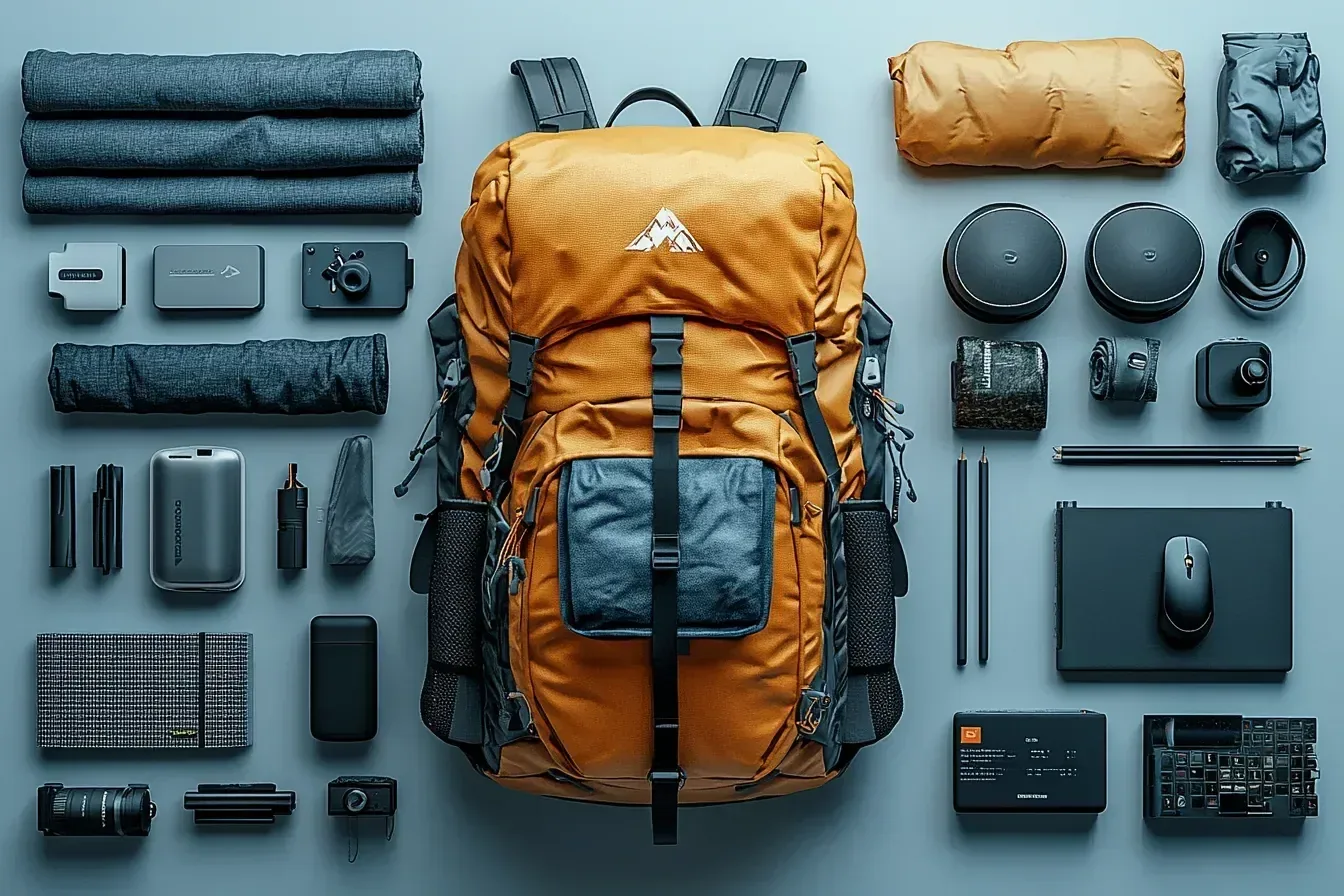
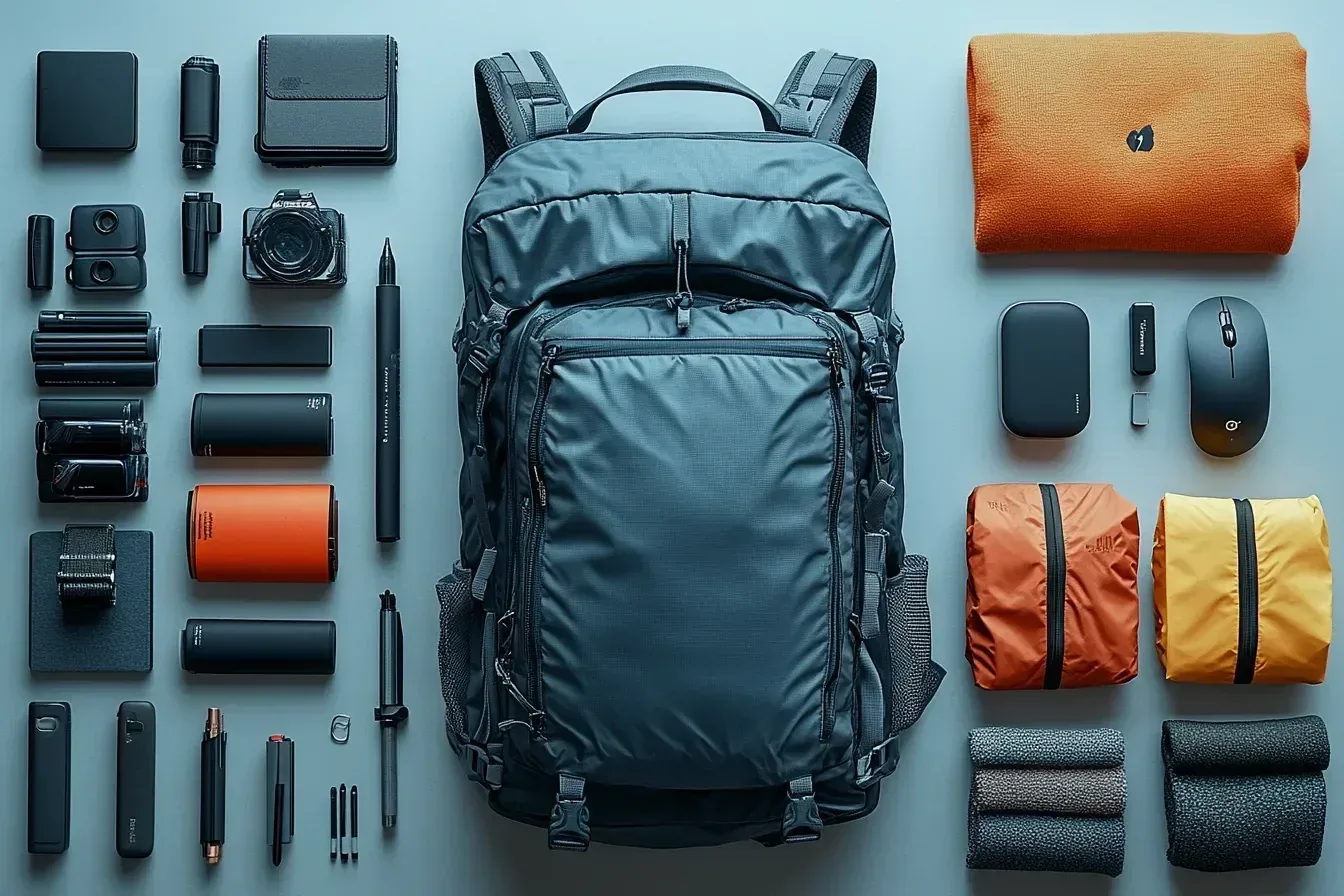
What is a post-pandemic supply chain strategy for leather bag brands? A post-pandemic supply chain strategy refers to the comprehensive set of operational, sourcing, and commercial adjustments that leather goods brands and their OEM/ODM manufacturing partners have adopted since 2020 to build resilience against global disruptions. This includes digital sourcing transformation, supplier diversification, virtual sampling adoption, inventory model shifts from just-in-time to just-in-case, and sustainability-driven production practices. According to McKinsey & Company, the pandemic accelerated supply chain digitalization across the fashion and luxury goods sector by an estimated 3 to 5 years, permanently altering how B2B leather bag brands interact with their manufacturing partners.
The global leather goods market has undergone a seismic transformation since 2020. What began as a temporary disruption to manufacturing operations and international logistics has evolved into a permanent restructuring of how leather bag brands source, produce, and distribute their products. For B2B brands partnering with OEM and ODM leather bag manufacturers, the lessons of the pandemic have become the foundation for a new operational playbook.
This comprehensive guide examines how the pandemic reshaped every dimension of the leather goods supply chain and provides actionable strategies for brands seeking to thrive in the new normal of B2B commerce. Whether you are an established luxury label or an emerging accessories brand, these insights will help you build a more resilient, efficient, and future-ready supply chain.
The Pandemic's Lasting Impact on Leather Goods Supply Chains
The COVID-19 pandemic did not merely interrupt leather goods supply chains—it fundamentally exposed structural vulnerabilities that had been building for decades. Factory closures in Guangzhou, the epicenter of China's leather manufacturing industry, rippled across 100+ countries within weeks. Shipping container shortages drove freight costs up by 300-500%. Lead times that once measured in weeks stretched into months.
According to a Bain & Company report on the global luxury goods market, the pandemic triggered a 23% contraction in personal luxury goods sales in 2020, though the market rebounded strongly in 2021-2022. More importantly, the crisis accelerated structural changes that continue to define B2B leather goods commerce today.
"The companies that thrived during the pandemic were not those with the deepest inventory, but those with the most agile and diversified supply chains." — McKinsey & Company, The State of Fashion Report
For leather bag manufacturers and their brand partners, the key disruptions fell into several categories:
- Raw material volatility: Leather supply from Italy, Brazil, and India experienced severe disruptions, with hide prices fluctuating by 15-25% in 2020-2021
- Factory shutdowns: Manufacturing hubs in Guangzhou, Wenzhou, and Bangladesh faced periodic closures, affecting production capacity by 30-50%
- Logistics crisis: Container shipping rates from China to Europe increased from $1,500 to over $15,000 per 40-foot container at peak
- Buyer behavior shifts: B2B buyers shifted to smaller, more frequent orders to manage inventory risk
- Quality control challenges: Travel restrictions made on-site inspections impossible for extended periods
These disruptions forced a fundamental rethink. Brands that relied on single-source manufacturers or just-in-time inventory models found themselves unable to fulfill consumer demand. The result was a strategic pivot toward resilience, flexibility, and digital integration that continues to accelerate.
The Rise of Digital Sourcing and Virtual Collaboration
Perhaps no change has been more transformative than the rapid adoption of digital sourcing tools across the leather goods industry. Before 2020, the relationship between international brands and their OEM manufacturers was built on in-person factory visits, trade show meetings, and physical sample exchanges. The pandemic made all of these impossible almost overnight.
Virtual sampling and digital collaboration tools have transformed how brands work with their leather bag manufacturers remotely.
Virtual Sampling: The New Standard
Virtual sampling has emerged as one of the most significant innovations in post-pandemic leather bag manufacturing. Using advanced 3D modeling software such as CLO3D, Browzwear, and proprietary design platforms, manufacturers can now create photorealistic digital prototypes of leather bags before a single piece of hide is cut.
The advantages are substantial and measurable:
Table 1: Comparison of traditional vs. virtual sampling in leather bag manufacturing
At Bespoke Bags' custom design division, virtual sampling has become the first step in every new product development cycle. Brands review 3D renderings, request material swaps, adjust hardware details, and approve designs entirely remotely. Only when the digital prototype meets all specifications does physical production begin—typically with a single reference sample that confirms the digital vision.
Remote Quality Inspection
The inability to conduct on-site quality inspections during lockdowns catalyzed another permanent shift. Manufacturers invested in high-definition live video inspection systems, where quality control teams walk buyers through every stage of production via real-time video calls.
Modern remote quality inspection includes:
- Live video walkthroughs of production floors and finishing areas
- Close-up inspection of stitching, edge painting, hardware attachment, and leather grain under professional lighting
- Real-time measurement verification with calibrated tools shown on camera
- Digital photo documentation at every production milestone, stored in shared cloud platforms
- Third-party inspection services conducting on-site checks and streaming results to remote buyers
These practices, born from necessity, have proven so effective that many brands now combine remote digital inspection with selective in-person audits—a hybrid model that reduces costs while maintaining quality standards. For manufacturers committed to transparency, comprehensive quality control programs that integrate remote inspection capabilities have become a competitive differentiator.
Supplier Diversification: Building Resilience Through Strategic Redundancy
The most strategically significant shift in post-pandemic B2B leather goods commerce is the move toward supplier diversification. Before 2020, many brands concentrated their production with a single OEM manufacturer—often in one geographic location—to maximize efficiency and minimize costs. The pandemic demonstrated that this approach carries unacceptable risk.
According to UNCTAD's World Investment Report, global supply chain restructuring accelerated dramatically after 2020, with multinational corporations increasing their supplier base by an average of 28%. In the leather goods sector specifically, brands have adopted the "China-plus-one" strategy, maintaining primary manufacturing relationships in established hubs like Guangzhou while developing secondary sourcing capabilities in Vietnam, Indonesia, India, or Bangladesh.
Table 2: Supplier diversification strategies and their risk/cost trade-offs for leather goods brands
The practical challenge for brands is balancing risk reduction against cost increases. Our recommendation, based on data from serving 200+ brands across 100+ countries, is a tiered approach:
- Tier 1 (Core partner): A primary OEM/ODM manufacturer handling 50-70% of production volume, selected for quality consistency, communication capability, and strategic alignment
- Tier 2 (Backup capacity): A secondary manufacturer in a different geographic region, qualified to produce at least your best-selling SKUs at comparable quality
- Tier 3 (Specialty sourcing): Additional partners for specific product categories, materials, or price points that the primary manufacturer cannot optimize
This structure ensures that if any single node in your supply chain is disrupted—whether by pandemic, natural disaster, trade policy changes, or geopolitical tension—production can shift to backup partners within days rather than months.
Inventory Strategy Transformation: From Just-in-Time to Just-in-Case
The pandemic delivered a harsh lesson about the fragility of just-in-time (JIT) inventory models in leather goods manufacturing. When factories shut down and shipping lanes became unpredictable, brands that had optimized purely for inventory efficiency found themselves with empty shelves and no product reaching market.
The industry is shifting toward a hybrid model—sometimes called "just-in-case" (JIC)—that balances efficiency with strategic buffer stock. This is particularly important for leather goods, where raw material procurement (especially high-quality hides) has long lead times and limited spot-market availability.
Table 3: Inventory strategy models and their suitability for leather bag brands in the post-pandemic era
The hybrid model has emerged as the dominant strategy among successful leather goods brands. Fast-moving accessories and seasonal trends may still follow a leaner JIT approach, while core leather handbags, business bags, and staple collections are produced with strategic buffer quantities. This segmentation acknowledges that not all products carry the same supply chain risk profile.
For manufacturers, this shift means adapting production planning to accommodate more varied order patterns. At the SGS-verified 4,950 m² production floor behind these programmes in Quanzhou, we have restructured capacity planning to support both large seasonal orders and smaller, more frequent replenishment batches. Our private label program accommodates MOQs of 500 pieces for bags, enabling brands to maintain inventory flexibility without overcommitting capital to stock.
E-Commerce Acceleration and Its Manufacturing Implications
The pandemic's impact on e-commerce is well-documented: global e-commerce sales grew by 27.6% in 2020 alone, according to UNCTAD. For leather goods brands, this acceleration has direct implications for their manufacturing partnerships.
E-commerce-driven production demands differ fundamentally from traditional wholesale production in several ways:
- Smaller batch sizes: Online-first brands often launch with 50-200 units per SKU to test market response, requiring manufacturers willing to work at lower MOQs
- Faster turnaround: Online trends move quickly; brands need manufacturers who can deliver in 25-35 days rather than the traditional 60-90 days
- Packaging and fulfillment readiness: Products must arrive retail-ready with individual packaging, hangtags, and barcoding optimized for direct-to-consumer shipment
- Photography-ready quality: Products are photographed against white backgrounds for online listings, demanding flawless visual presentation
- Rapid iteration: Online brands may iterate designs monthly based on customer feedback, requiring responsive custom design capabilities
Post-pandemic leather bag manufacturers must support e-commerce-ready production with flexible MOQs, rapid turnaround, and retail-ready packaging.
Manufacturers serving the e-commerce segment need integrated logistics capabilities that go beyond traditional factory-gate delivery. This includes direct-to-warehouse shipping, FBA prep services, and coordination with third-party logistics providers for global fulfillment.
Sustainability: The Post-Pandemic Imperative for Leather Manufacturers
If the pandemic taught the world anything about environmental responsibility, it is that global disruptions and environmental degradation are interconnected. Consumer awareness of sustainability has deepened in the post-pandemic era, and this awareness is translating into concrete purchasing decisions and B2B procurement requirements.
According to a Bain & Company consumer survey, 62% of luxury goods consumers now consider sustainability practices when making purchase decisions—up from 39% in 2019. For OEM leather bag manufacturers, sustainability is no longer a marketing differentiator; it is a procurement requirement from increasingly demanding brand partners.
Key Sustainability Areas for Leather Bag Manufacturing
- Leather sourcing transparency: Brands require traceability from raw hide to finished product, including tannery certifications (LWG—Leather Working Group) and country-of-origin documentation
- Chemical management: Compliance with REACH, Proposition 65, and ZDHC (Zero Discharge of Hazardous Chemicals) standards in all finishing processes
- Waste reduction: Pattern optimization technology, leather scrap recycling programs, and made-to-order production models that minimize overproduction
- Energy and water: Investment in solar-powered facilities, water recycling systems, and carbon footprint measurement and reduction targets
- Packaging: Shift from plastic-based packaging to recycled, biodegradable, or reusable alternatives
The most forward-thinking manufacturers view sustainability not as a compliance burden but as an operational improvement opportunity. Waste reduction directly lowers costs. Energy efficiency reduces overhead. Transparent sourcing builds deeper trust with brand partners. In a post-pandemic world where every business decision is scrutinized for resilience and responsibility, sustainable manufacturing practices are a competitive advantage.
Hybrid Trade Shows: The Future of B2B Leather Goods Sourcing
The pandemic devastated traditional trade shows—cancellations of Canton Fair sessions, LINEAPELLE, and Mipel sent shockwaves through the leather goods sourcing community. Yet from this disruption, a more effective model has emerged: the hybrid trade show.
According to UFI, the Global Association of the Exhibition Industry, over 80% of major international trade fairs now incorporate permanent digital components alongside physical events. For leather bag brands sourcing OEM and ODM partners, this evolution is profoundly beneficial:
- Year-round virtual showrooms: Manufacturers maintain 365-day digital catalogs with 3D product views, material libraries, and downloadable specification sheets
- Live-streamed factory tours: Brands can virtually tour manufacturing facilities, observe production processes, and meet team members without international travel costs
- Digital meeting scheduling: B2B matchmaking platforms connect brands with vetted manufacturers based on specific capabilities, certifications, and capacity requirements
- Physical events with purpose: In-person trade shows now focus on relationship-building, hands-on material evaluation, and strategic negotiations rather than initial supplier discovery
This hybrid model has democratized access to premium manufacturers. Brands in markets previously underserved by traditional trade show circuits—Latin America, Africa, the Middle East—can now discover and evaluate top-tier leather bag manufacturers in China and Southeast Asia without the cost and complexity of international travel. For manufacturers, it means a broader, more diversified client base across 100+ countries.
Changing Consumer Behavior: What It Means for OEM Manufacturers
The end consumer's evolving preferences ultimately dictate what OEM and ODM manufacturers must deliver. Post-pandemic consumer behavior has shifted in ways that directly affect manufacturing specifications, product design priorities, and order patterns for leather goods.
Key Consumer Trends Reshaping Leather Goods Manufacturing
The functional luxury shift: The rise of remote and hybrid work has transformed demand for leather goods. Consumers want business bags that are professional yet comfortable for commuting, laptop-compatible yet stylish enough for client meetings. Manufacturers must adapt patterns, compartmentalization, and hardware selections to serve this evolving product category.
The personalization premium: Post-pandemic consumers place higher value on individuality. Monogramming, custom color combinations, and limited-edition capsule collections have moved from luxury exclusives to mainstream expectations. OEM manufacturers need flexible production systems that can accommodate personalization at scale without sacrificing efficiency.
The value-conscious luxury buyer: Economic uncertainty following the pandemic has created a more discerning consumer who demands quality and craftsmanship at accessible price points. This trend favors manufacturers who can deliver premium luxury handbag quality at competitive pricing through operational efficiency rather than material compromise.
The sustainability-conscious buyer: Younger consumers, particularly Gen Z and Millennials, increasingly make purchasing decisions based on brand ethics and environmental practices. Their B2B brand partners, in turn, demand that manufacturers provide documented sustainability credentials, from leather sourcing certifications to carbon-neutral shipping options.
Building Future-Ready Supply Chains: A Strategic Framework
While no one can predict the next global disruption, the post-pandemic leather goods industry has developed a strategic framework for building supply chains that can absorb shocks without breaking. This framework rests on five pillars:
Pillar 1: Digital Integration
Every touchpoint between brand and manufacturer should be digitally enabled—from initial design communication through custom design services to production updates, quality inspection, and logistics tracking. Digital integration is not about replacing human relationships; it is about augmenting them with speed, transparency, and accuracy.
Pillar 2: Geographic Diversification
Maintaining manufacturing partnerships across multiple regions provides insurance against localized disruptions. This does not mean abandoning your primary manufacturer—it means ensuring that your backup capabilities are pre-qualified and ready to activate.
Pillar 3: Inventory Intelligence
Segment your inventory strategy by product importance and demand predictability. Core custom collections that drive consistent revenue deserve strategic buffer stock. Trend-driven items may follow leaner models with rapid replenishment capabilities.
Pillar 4: Quality Without Compromise
Speed and flexibility must never come at the expense of quality. Invest in manufacturing partners who demonstrate that rigorous quality control processes are compatible with responsive, agile production—not obstacles to it.
Pillar 5: Sustainable by Design
Integrate sustainability into your manufacturing specifications from day one, not as an afterthought. From leather sourcing through final packaging, every decision should consider environmental impact alongside cost and quality. This is not just ethically responsible—it is commercially essential in a market where consumers increasingly vote with their wallets for responsible brands.
Stress-Testing a Supply Chain Before It Breaks
Resilience is not a feeling; it is a set of pre-agreed answers. The brands that came through the disruption years best were not the ones with the most suppliers, but the ones who had already decided what they would do when a specific thing went wrong. Writing those decisions down is a one-day exercise, and it converts a crisis into a schedule change.
| Disruption scenario | Early signal to watch | Pre-agreed response | Cost of the response |
|---|---|---|---|
| Tannery allocation cut | Lead times quoted get longer before prices move | Shift to a pre-qualified alternative hide with an approved shade reference | Small shade adjustment and a repeat sampling round |
| Hardware supplier failure | Plating quality drifts two seasons before a stop | Dual-tool the hardware and hold one month of finished stock | Tooling cost plus modest inventory carrying |
| Freight capacity squeeze | Booking windows open later each month | Move a share of volume earlier and accept a longer warehouse hold | Warehousing cost against a missed launch window |
| Labour absence on a line | Output per line drops without a quality change | Shift volume to a second line or a partner line under the same specification | Re-learning time on the receiving line |
| Currency or duty move | Forward rates move outside your quoted band | Re-cost at the agreed review date instead of absorbing silently | Price adjustment passed through on the next season |
Review the table twice a year and after any season where a milestone slipped. Most of its value comes from the third column: once the response is agreed, nobody has to negotiate while the problem is live, and the conversation moves from blame to execution.
What to Re-Negotiate in a Supply Agreement After the Shock Years
Agreements written before the disruption years assumed stable inputs, and several clauses that looked routine then now carry real risk. The objective of a renegotiation is not to squeeze a partner; it is to make the assumptions explicit so that both sides price them. Four clauses deserve attention in almost every leather goods contract, and each can be settled in a paragraph.
- Material escalation: state which input movements trigger a price review and set a review date rather than leaving the price fixed until someone objects.
- Capacity reservation: agree how much line time your programme can call on in a stated window, and what notice is required to extend it.
- Quality documentation: require batch records and inspection images to be retained long enough to answer a claim raised in the following season.
- Change control: require written approval before any material, hardware or construction substitution, with the reference sample named as the arbiter.
- Delay notification: set a fixed number of days within which a slipped milestone must be declared, so recovery planning can begin early.
- Tool ownership: record who owns pattern cards, dies and hardware tooling, and what happens to them if the programme moves.
None of these clauses make a partnership adversarial. They make it survive contact with a bad season, which is the only test that matters once a programme has run for two years and the relationship is worth preserving.
Qualifying a Second Source Without Duplicating Your Investment
Dual sourcing is usually rejected on cost grounds, and usually for the wrong reason. The expense is not the second supplier; it is duplicating tooling, patterns and approvals. Qualify the second source against work you have already done, and the incremental cost drops to a sampling round and a documentation exercise.
- Freeze the specification first. A second source cannot be qualified against a document that is still changing, so lock material, hardware and construction before you start.
- Lend the reference, do not rebuild it. Send the approved sample, the pattern data and the test results; ask the candidate to match them rather than to reinterpret the design.
- Run one small pilot. A pilot run at the second source proves the specification travels, and the units are sellable if they pass.
- Inspect to the same standard. Grade the pilot at AQL 2.5 under ISO 2859-1, single sampling, general level II, so the two sources are compared on identical terms.
- Hold tooling where it can move. Keep pattern cards and dies under your control or under a documented loan arrangement, so a move is a logistics task, not a redevelopment.
- Keep the second source warm. Place a small order every few seasons; a line that has never run your product will not run it well in an emergency.
The output of this exercise is not a cheaper price. It is the ability to say, credibly and with evidence, that a delay at one source is an inconvenience rather than a missed season — and that changes how you can promise to your own customers.
Running a Seasonal Calendar That Absorbs Delay
Every programme runs late somewhere. The difference between a late season and a lost one is whether the calendar contains buffers that belong to named milestones or a single optimistic ship date that everyone privately doubts. Build the buffers in at the planning stage, when they cost days, rather than at the recovery stage, when they cost air freight.
| Milestone | Working window | Buffer to hold | Who owns it |
|---|---|---|---|
| Specification freeze | Before sampling starts | One review cycle with the brand | Brand product team |
| Sampling | 6–10 working days, 12–15 with custom hardware | One revision round | Programme coordinator |
| Sample approval | Immediately after sampling | Three days for internal sign-off | Brand product team |
| Bulk production | 35–50 days after sample approval | Five days for start-up issues | Production floor planning |
| Inspection | At AQL 2.5, ISO 2859-1 level II | Two days for re-inspection if needed | Quality team |
| Shipment | FOB Xiamen, T/T balance before release | One booking cycle at port | Logistics coordinator |
Publish the calendar to everyone who touches the programme, including the freight forwarder. A plan that exists in one person's head cannot absorb anything, and the first sign of that is usually a milestone that slips quietly for a week before anyone mentions it.
If you want a second opinion on a calendar you have already built, send the milestones and we will mark where the buffers are missing. That review costs nothing and takes one exchange. Reach us through the contact page, or read how we structure logistics and shipment planning for seasonal programmes.
Conclusion: The New Normal Is an Opportunity
The post-pandemic landscape for leather bag brands is not a diminished version of the pre-pandemic world—it is a different world entirely, with new rules, new tools, and new opportunities for brands and manufacturers willing to adapt. Digital sourcing, virtual sampling, supplier diversification, intelligent inventory management, and sustainability-driven production are not temporary measures. They are the permanent architecture of a more resilient, transparent, and responsive leather goods industry.
For B2B brands seeking manufacturing partners equipped for this new reality, the criteria have evolved. The ideal OEM/ODM partner is one who combines decades of craftsmanship expertise with digital-forward operations, flexible production capabilities, and a genuine commitment to sustainability. At Bespoke Bags (Junyuan Bags), we have invested heavily in every dimension of this post-pandemic transformation—from our virtual sampling studio to our expanded quality control infrastructure, from our flexible MOQ programs to our sustainability certifications.
The brands that will lead the next decade of leather goods are those that treat their supply chain not as a cost center to minimize, but as a strategic asset to build. The future belongs to the resilient, the agile, and the digitally fluent.
Frequently Asked Questions
How has the pandemic changed leather bag supply chains?
The pandemic accelerated digital sourcing adoption by over 60%, forced brands to diversify supplier networks away from single-source dependencies, increased demand for virtual sampling and remote quality inspection, and shifted inventory strategies from just-in-time to just-in-case models. According to McKinsey, 73% of companies that adopted multi-sourcing strategies during the pandemic plan to maintain them permanently.
What is virtual sampling in leather bag manufacturing?
Virtual sampling uses 3D modeling software and digital prototyping to create photorealistic renderings of leather bags before physical production. This process reduces sampling time from 4-6 weeks to 5-7 days, cuts material waste by up to 80%, and allows remote collaboration between brands and manufacturers without travel.
Why is supplier diversification critical for leather goods brands post-pandemic?
The pandemic exposed vulnerabilities in single-source supply chains, with factory shutdowns in major leather production hubs causing 35-50% delivery delays. Diversifying across multiple OEM manufacturers in different geographic regions reduces disruption risk, ensures business continuity, and provides negotiating leverage.
How are B2B leather bag trade shows evolving after the pandemic?
Trade shows have adopted hybrid models combining in-person exhibitions with virtual showrooms, live-streamed factory tours, and digital product catalogs. Over 80% of major trade fairs now offer digital components, providing year-round sourcing capability and reduced travel costs for leather bag brands worldwide.
What MOQ considerations should leather bag brands evaluate when choosing a post-pandemic manufacturer?
Post-pandemic, brands should look for manufacturers offering flexible MOQs that accommodate smaller initial orders with scalable production. Leading OEM programme partners like Junyuan Bags offer MOQs of 500 pieces for bags and 500 pieces for small accessories, enabling brands to test markets with lower risk while maintaining quality consistency.
How often should a brand re-test its supply chain resilience?
Twice a year, and immediately after any season where a milestone slipped. The review should cover which inputs are single-sourced, how long a move would take, and whether the agreed response is still current. An annual review that produces no decisions is usually a sign the scenarios are too vague to act on.
Which contract clauses matter most after a period of disruption?
Material escalation, capacity reservation, quality documentation retention, change control and delay notification. Each converts an assumption into a stated position. Tooling ownership deserves attention too, because it determines whether moving a programme is a logistics task or a complete redevelopment.
How can I qualify a second source without splitting my order?
Freeze the specification, lend the approved sample and pattern data rather than rebuilding them, then run one small pilot inspected to the same AQL 2.5 standard. The pilot units are sellable if they pass, so the real cost is a sampling round and the discipline of keeping the source warm.
Is dual sourcing realistic at 500 pieces per style and colourway?
It is realistic for the input rather than the finished bag. Qualify a second hide source, a second hardware source and, where volume justifies it, a second assembly line. At 500 pieces the leverage comes from not depending on one supplier for anything, not from dividing a small run in two.
How do I keep quality consistent across two production partners?
One specification, one reference sample and one inspection standard. Grade every pilot and every bulk run at AQL 2.5, ISO 2859-1, single sampling, general level II, and compare rework rates between sources. Consistency comes from identical documentation, not from identical buildings.
What buffer should I build into a seasonal launch calendar?
Attach a small buffer to each milestone rather than one large one at the end: a revision round on sampling, a few days for approval, five days for bulk start-up, two days for possible re-inspection. Distributed buffers cost days; a single end buffer usually costs air freight.
How does remote inspection work if I cannot travel?
Agree the inspection plan in advance, including the AQL level, the defect classification and the checks you want filmed. Request batch images and the inspection record before release. Remote inspection works well when the reference sample and acceptance criteria were agreed in writing beforehand.
What inventory cover makes sense for a core style?
Cover the replenishment window, not the whole season. Calculate how long a reorder takes, including sampling if the specification might change, and hold enough to bridge that period with a margin. For most core styles this means a few weeks of cover rather than a quarter.
How should currency and freight volatility be handled in a contract?
Set a review date and a movement band rather than absorbing every swing silently. Shipments run FOB Xiamen with a T/T balance before release, so the exposure sits in the quoted price and the freight booking. Naming both in the agreement keeps the next conversation factual.