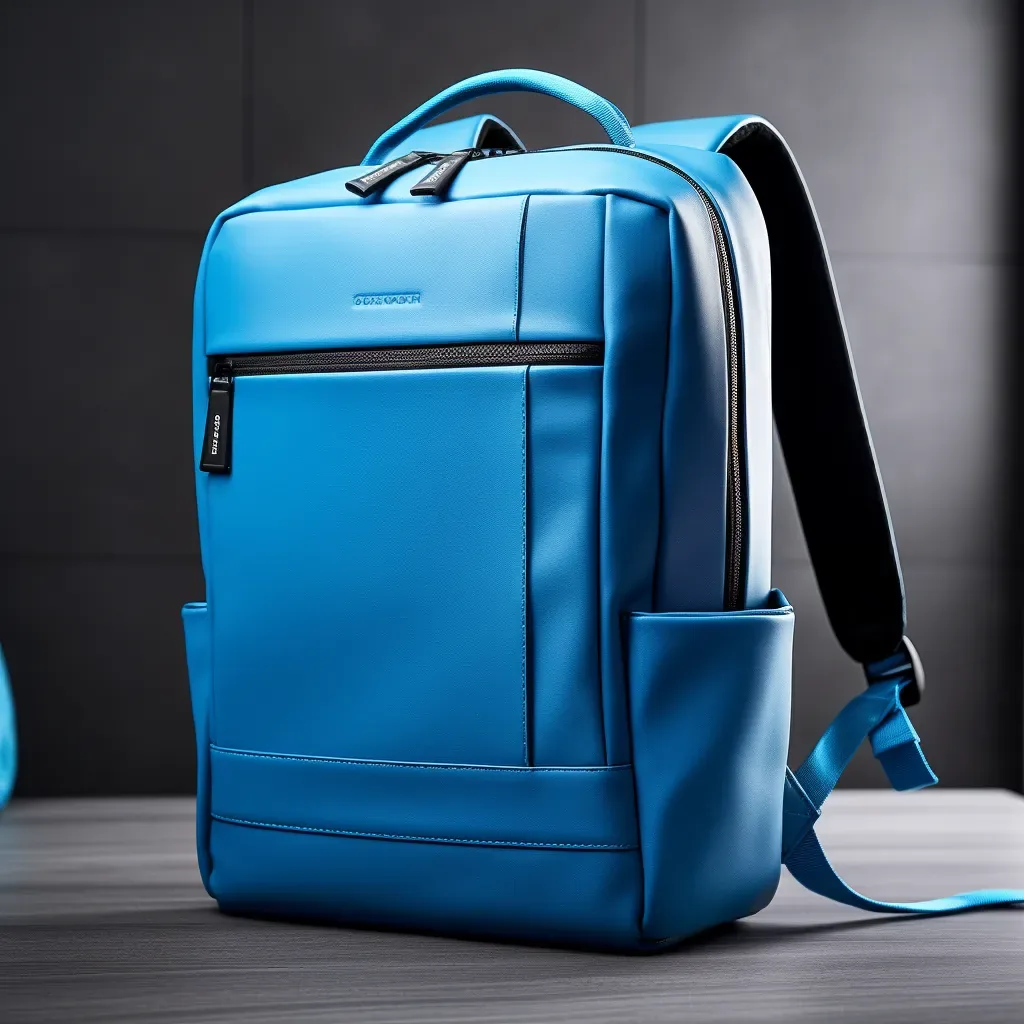
The Professional Backpack Market: A Structural Shift in How People Carry
The professional bag market underwent a fundamental transformation over the past decade. Briefcases and messenger bags — once the default for office commuters — have lost significant ground to backpacks. The shift accelerated after 2020 when hybrid work arrangements normalized carrying a laptop, charger, and personal items between home and office on a regular basis.
Global professional and laptop backpack market revenue reached an estimated $8.7 billion in 2025, with year-over-year growth of 7.1%. The urban commuter segment — backpacks specifically designed for work rather than outdoor recreation — represents the fastest-growing subcategory, expanding at 9.2% annually. This growth is driven by three converging forces: laptop proliferation (3.3 billion laptop users worldwide as of 2025), the casualization of workplace dress codes, and the rise of digital nomad culture that demands versatile carry solutions.
For brands and businesses looking to enter this market, the design challenge is distinct from both outdoor packs and traditional briefcases. A professional backpack must protect expensive electronics, maintain a polished appearance in client-facing environments, organize the small items that professionals accumulate throughout the day, and do all of this without looking like a hiking pack or a college student's daypack.
At Bespoke Bags, we have spent 20+ Years manufacturing bags across every category — from outdoor expedition packs to luxury handbags to business carry solutions. Our SGS-verified 4,950 m² production floor in Quanzhou produces professional backpacks for brands in North America, Europe, and Asia-Pacific. This guide distills what we have learned about designing, material selection, and OEM production of professional-grade backpacks.
Target Demographics: Who Buys Professional Backpacks
The professional backpack buyer is not a single persona. Market segmentation reveals distinct buyer groups with different priorities:
Tech Workers (32% of market)
Software engineers, product managers, and IT professionals represent the largest buyer segment. They carry laptops (13"–16"), chargers, noise-canceling headphones, and often a secondary device (tablet or personal phone). They value tech-forward features: dedicated laptop compartments with plush padding, cable management systems, USB pass-through ports, and clean minimalist aesthetics. They are willing to pay $120–$300 for a well-designed backpack.
Management Consultants and Financial Professionals (21% of market)
Frequent travelers who need to carry documents, laptops, and presentation materials while maintaining a polished appearance in client offices and boardrooms. They prioritize structure, premium materials (leather accents, metal hardware), luggage pass-through straps, and professional silhouettes that complement a business-casual wardrobe. Budget range: $150–$400.
Creative Professionals (18% of market)
Designers, photographers, videographers, and content creators. They carry specialized gear — cameras, tablets with styluses, reference materials, sketchbooks. They need modular organization (adjustable dividers, quick-access pockets) and are drawn to distinctive design details that signal creative identity. Budget range: $100–$350.
Corporate Executives (15% of market)
C-suite and senior management who need backpacks that project authority and taste. They gravitate toward leather-dominant designs, understated branding, and premium construction. Function takes a backseat to aesthetic quality — though laptop protection remains non-negotiable. Budget range: $200–$600+.
Hybrid Workers and Digital Nomads (14% of market)
Remote workers who split time between home, co-working spaces, and cafes. They need versatility: a backpack that transitions between work and personal use, carries enough for a full day away from home (laptop, lunch, gym clothes, water bottle), and does not look out of place in any setting. Budget range: $80–$200.
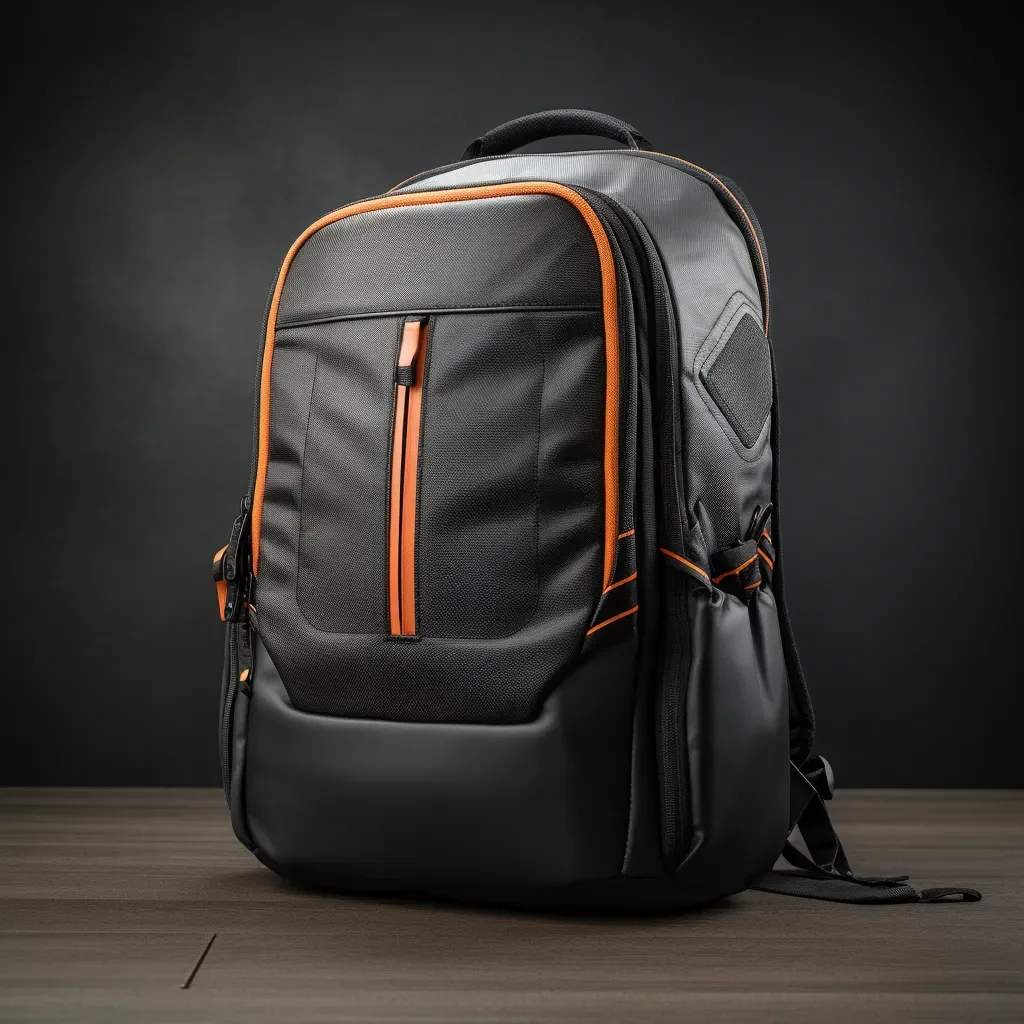
Interior organization of a professional backpack — dedicated laptop sleeve, tablet pocket, cable routing, and administrative panel with pen holders and card slots.
Professional Backpack Comparison Table
Design Philosophy: Where Professional Aesthetics Meet Functional Organization
The defining tension in professional backpack design is between aesthetics and organization. Outdoor packs maximize capacity with visible attachment points and technical fabrics. Professional bags must do the opposite — hide complexity behind clean exterior lines while providing internal structure that keeps a laptop, chargers, documents, pens, keys, and personal items in their designated places.
Three design principles govern the professional backpack category:
1. Structured Silhouette
Professional backpacks must hold their shape when partially loaded. A sagging, empty-looking backpack reads as unprofessional in an office environment. This requires either a semi-rigid internal structure (EVA foam panels bonded to the shell fabric) or a structured bottom panel with rigid base material. The structured approach adds 150–300 grams of weight compared to an unstructured soft pack, but it is non-negotiable for this market segment.
OEM note: Structured shells require precision cutting and bonding. EVA panels are die-cut to shape and heat-bonded to the shell fabric using a thermal lamination press. This step occurs before sewing and requires dedicated tooling (die molds) per panel shape, adding $80–$250 in tooling cost per panel design.
2. Concealed Complexity
External attachment points, dangling straps, and visible buckles belong on outdoor packs, not professional carry. Every organizational feature in a professional backpack should be internal or flush-mounted. Zippers should be recessed or covered by fabric flaps. Compression systems, if present, should use low-profile designs integrated into the bag's seam lines.
3. Material-Driven Aesthetics
In the absence of visible technical features, material quality becomes the primary visual differentiator. Fabric texture, stitching precision, hardware finish, and edge treatment all communicate quality. A professional backpack with 600D polyester and YKK zippers at $60 retail will not compete with one using 1680D ballistic nylon, leather zipper pulls, and metal hardware at $180 — even if the internal organization is comparable.
Types of Professional Backpacks: Design Approaches
Slim Profile Tech Backpacks
The fastest-growing style in the professional segment. These packs sacrifice capacity (15–20L) for a thin, close-to-body profile that looks clean under a blazer or jacket. The design prioritizes laptop protection, cable management, and quick-access pockets over overall volume.
Construction details: Single main compartment with a padded laptop sleeve against the back panel, one or two internal organizer pockets, and a front utility pocket (often with key clip and pen holders). Side water bottle pockets are typically hidden or zippered to maintain the clean silhouette. Shoulder straps are thin (35–45mm width) with minimal padding — the load is light enough that comfort is not a primary concern.
Expandable Commuter Backpacks
These packs offer 20L in their standard configuration with a zippered expansion gusset that adds 6–8L of capacity. At 20L, the pack is slim enough for daily commuting. At 28L, it handles overnight travel or a full day of meetings with gym clothes and a change of shoes.
Construction details: The expansion gusset is typically a full-circumference zipper that opens the main compartment wider. Internal dividers must be designed to function in both expanded and compressed states — often using flexible mesh panels rather than rigid separators. Luggage pass-through straps on the back panel are standard, as these packs double as personal items on flights.
Convertible Briefcase-Backpacks
The convertible addresses the professional who needs a briefcase in client meetings but wants backpack carry during transit. Design variations include:
- Hideaway straps: Shoulder straps tuck into a rear zippered compartment, leaving a clean briefcase back panel. This is the most popular approach — used by brands like Bellroy and Tumi.
- Side-carry handle: A briefcase-style top or side handle allows the pack to be carried in a traditional briefcase grip. The handle must be padded and positioned for balance when the pack is loaded.
- Hybrid closure: Briefcase-style clamshell opening (opens flat like a suitcase) combined with backpack carry. This maximizes access while maintaining professional appearance.
OEM manufacturing note: Convertible designs add 20–35% to production complexity. The hideaway strap system requires a separate zippered compartment with internal strap routing — an additional sub-assembly that adds $3–$6 in materials and 4–6 minutes of sewing time. Despite the cost increase, convertibles command 25–40% higher retail prices than equivalent non-convertible designs.
Tech-Focused Organizer Backpacks
These packs treat organization as the primary design driver. The interior features a modular tech panel — a series of elastic loops, mesh pockets, and zippered compartments designed to hold specific items: laptop, tablet, chargers, cables, power bank, earbuds, external drive, pens, business cards, and a phone.
Construction details: The organizer panel is typically a separate piece of fabric (often contrasting color for visibility) that is sewn into the main compartment. Each pocket, loop, and sleeve on the organizer panel is a separate sewing operation. A fully featured tech organizer panel may have 12–18 individual sewing operations, adding 8–12 minutes of labor to the production cycle.
For OEM production: Tech-focused packs are the most labor-intensive style in the professional category. Brands should expect unit costs 30–50% higher than a comparably sized slim-profile pack. The tradeoff: these bags command premium retail pricing ($180–$300) and achieve high customer satisfaction scores when the organization system is well-designed.
Hybrid Leather-Canvas Backpacks
The heritage aesthetic combines full-grain leather panels with waxed canvas or heavy nylon. These packs target creative professionals and executives who value distinctive, long-lasting materials over technical features. They typically use solid brass or antique-finish hardware, magnetic closures or buckle closures instead of zippers, and minimal interior organization.
Construction details: Leather working requires different production processes than nylon. Leather is skived (thinned) at seam allowances, edge-painted or burnished, and joined using heavier needles and thread (typically Tex 80 or Tex 105 bonded nylon). Leather panels must be carefully graded for color consistency across a production run — this is a manual process that adds cost.
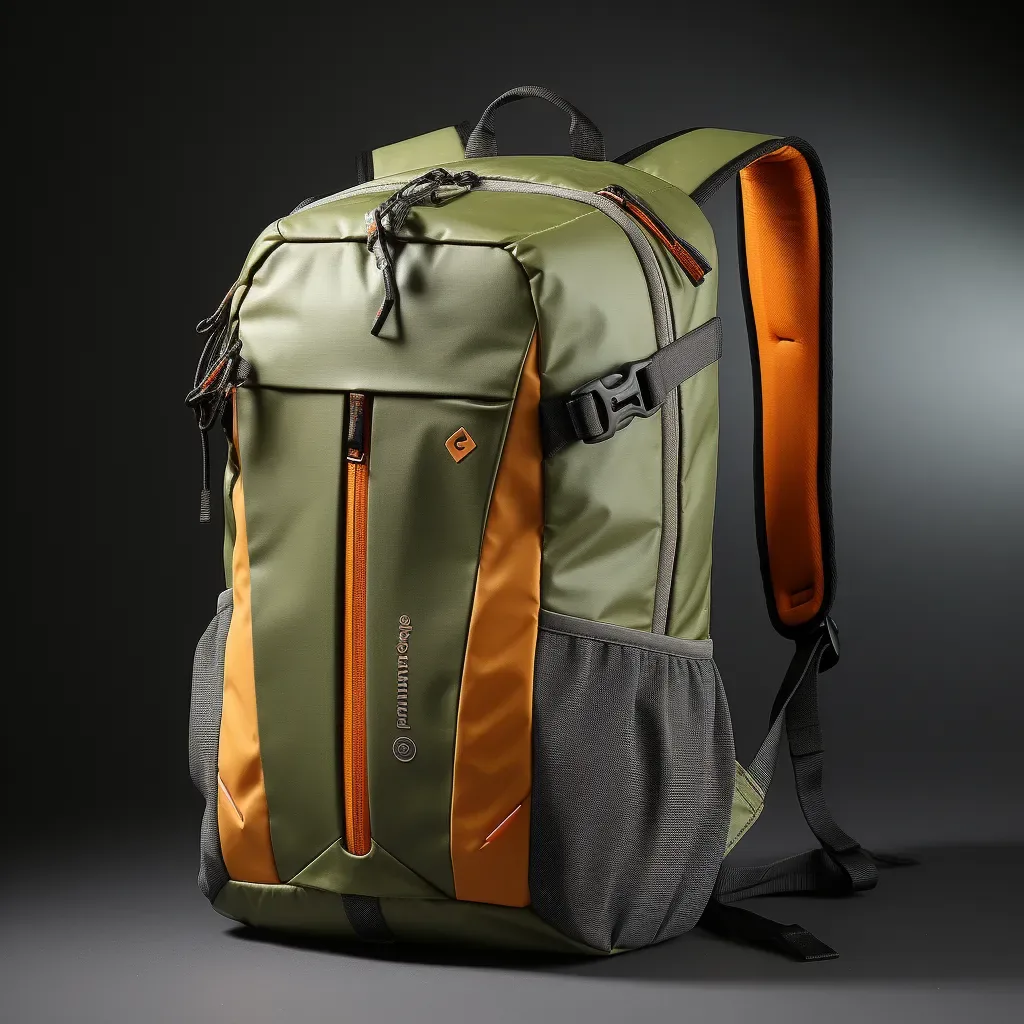
Full-grain leather accents with solid metal hardware — the material quality that separates premium professional backpacks from commodity alternatives.
Material Selection for the Professional Market
Material choice is the single largest cost driver in professional backpack production and the primary visual differentiator on the retail floor.
Ballistic Nylon (1050D–1680D)
Originally developed for WWII flak jackets, ballistic nylon is the default fabric for premium professional bags. At 1680D, it offers exceptional abrasion and tear resistance with a distinctive basket-weave texture. Weight: approximately 380 gsm. Cost: $5.00–$8.00 per linear meter. The matte, slightly textured surface reads as "technical premium" — appropriate for tech-oriented professional brands.
Full-Grain Leather Panels
Used as accent material on straps, handles, zipper pulls, bottom panels, and front logo patches. Full-grain leather (1.0–1.2mm thickness) develops a patina over time that enhances the bag's character. Sourcing: the most common leathers for professional bags are vegetable-tanned cowhide (develops rich patina) and chrome-tanned cowhide (more water-resistant, consistent color). Cost: $8–$15 per square foot, with a typical professional backpack requiring 3–6 square feet for accent panels.
Recycled Fabrics
Corporate sustainability mandates are driving demand for recycled polyester and recycled nylon. Recycled 600D polyester is now available at costs within 10–15% of virgin polyester, making it a viable default for brands targeting environmentally conscious buyers. Recycled PET fabrics carry verifiable certification (GRS — Global Recycled Standard) that brands can reference in marketing. Major brands including Patagonia, Herschel, and Rains have shifted significant portions of their professional lines to recycled materials.
Vegan Leather Alternatives
For brands that want the leather look without animal-derived materials, several options exist:
- PU leather (polyurethane): The most common vegan leather. Cost-effective ($3–$6 per linear meter) and widely available, but has a shorter lifespan than real leather — typically 2–3 years before surface cracking.
- Piñatex (pineapple leaf fiber): A bio-based leather alternative made from pineapple leaf waste. Unique texture, moderate durability. Cost: $12–$18 per linear meter.
- Desserto (cactus-derived): Made from nopal cactus in Mexico. Soft hand feel, good flexibility. Cost: $10–$16 per linear meter.
- Apple leather: Made from apple waste from the juice industry. Emerging material with moderate availability. Cost: $8–$14 per linear meter.
Tech Compartment Design: Protecting What Matters
The laptop compartment is the reason most professionals buy a backpack instead of a tote. Its design must balance protection, accessibility, and capacity for multiple devices.
Laptop Sleeves (13"–17")
A proper laptop sleeve must suspend the device above the bag's base (minimum 20mm clearance) to protect it when the bag is set down. The sleeve walls use high-density EVA foam (3–5mm thickness) or closed-cell polyethylene foam bonded between the inner lining and the shell fabric. The opening should use a soft, non-abrasive microfleece lining to prevent screen scratching.
Sizing: Most professional bags accommodate up to 15.6" laptops (the most common business laptop size). Premium models extend to 17" (for larger workstation laptops). The sleeve must have 10–15mm of tolerance in each dimension to accommodate different laptop designs — a MacBook Pro 15" and a Dell XPS 15 have different actual dimensions despite sharing the same nominal screen size.
Production note: A padded laptop sleeve adds $1.50–$3.00 in materials and 3–4 minutes of sewing time. Suspended sleeves (where the sleeve attaches at the top and sides but not the bottom) add additional construction complexity but deliver meaningfully better device protection.
Tablet Pockets
A separate tablet pocket (for devices up to 12.9" such as iPad Pro or Samsung Galaxy Tab) sits adjacent to or above the laptop sleeve. It uses lighter padding (2–3mm foam) since tablets are less fragile than laptops but still need protection from contact with hard objects.
Cable Management
Dedicated cable organization includes:
- Elastic loops: 3–5 elastic cord loops (15–20mm length) for securing charging cables, earbuds, and adapters. Cost: $0.30–$0.50 for a set of 5 loops.
- Mesh zippered pocket: For power banks, wireless chargers, and adapters that need visibility. Uses 40D mesh with YKK zipper. Cost: $0.60–$1.00.
- Dedicated power bank pocket: A padded pocket with a grommet or pass-through for the charging cable to route to the laptop sleeve. Some premium designs include a USB-C pass-through port on the exterior of the bag.
Charging Port Pass-Throughs
An increasingly standard feature: an interior cable routing path from a power bank pocket to an exterior USB port. The exterior port uses a reinforced grommet or a purpose-built USB port module (male connector exposed, connected to an internal cable). This feature adds $1.20–$2.50 in materials and requires careful waterproofing of the exterior port opening.
Tracker Pockets
A small, dedicated pocket for AirTag or Tile trackers (typically 35mm × 35mm × 12mm) sewn into an inconspicuous location within the laptop compartment or against the back panel. Cost: $0.20–$0.40 for a velcro or elastic retention pocket. High perceived value relative to cost — particularly for business travelers.
Organizational Features for Daily Professional Use
Beyond tech storage, professional backpacks need to handle the small items that accumulate throughout a workday.
Administrative Panel
A front or top compartment with an organizational face: pen holders (2–3 elastic loops), card slots (2–4 slip pockets for business cards or ID), a key clip (swivel hook on a webbing tab), a pen slot, and a phone pocket. This panel is typically constructed on a separate piece of fabric that is then sewn into the bag's front compartment.
Production note: A full admin panel with 10+ organizational elements adds 6–10 minutes of sewing time and $1.50–$3.00 in materials. Despite the cost, admin panels are expected in any bag above $100 retail — their absence is immediately noticeable.
Water Bottle Pockets
Side water bottle pockets present a design challenge in professional bags — they disrupt the clean silhouette. Solutions include:
- Hidden zippered pockets: Flush against the side when not in use, accessed through a vertical zipper. Maintains clean lines but requires the user to unzip to access.
- Elastic side pockets: Low-profile elastic mesh pockets that hug the bottle when present, lie flat when empty. The most popular compromise between function and aesthetics.
- Internal bottle sleeve: A sleeve inside the main compartment with an elastic retention strap. Eliminates external bulk but sacrifices internal space.
Luggage Pass-Through
A sleeve on the back panel that slides over a rolling suitcase handle, allowing the backpack to rest on top of the luggage. Standard on bags targeting business travelers. Uses a simple fabric tunnel with a snap or magnetic closure. Cost: $0.50–$1.00. This feature is expected on any professional bag positioned above $150 retail.
Security Features for Business Travelers
Professional backpacks carry thousands of dollars worth of electronics and sensitive documents. Security features justify premium pricing and build buyer confidence.
Hidden Pockets
A zippered pocket on the back panel (the side that faces the wearer's body) provides concealed storage for wallets, passports, and phones. The zipper is invisible when the bag is worn because it is pressed against the body. Cost: $0.40–$0.80. This single feature appears in virtually every professional backpack review as a "must-have."
RFID-Blocking Pockets
A pocket lined with conductive aluminum mesh that blocks the 13.56 MHz radio frequency used by contactless credit cards, passports, and transit passes. The lining is sewn between the outer fabric and the pocket lining — it adds no visible bulk and costs $0.60–$1.20 per pocket. RFID blocking is a powerful marketing feature for business travelers.
Lockable Zipper Pulls
Main compartment zipper pulls designed to accept a small padlock (typically a TSA-approved combination lock). This is achieved by aligning two zipper pull holes when closed and inserting the lock through them. No additional materials cost — it requires only that the zipper pull design accommodate the lock shackle (minimum 3mm diameter hole).
Slash-Resistant Panels
Anti-theft bags use UHMWPE (ultra-high-molecular-weight polyethylene) mesh laminated between the outer and inner fabric layers. The mesh prevents a knife from cutting through the bag's body. This adds $2.50–$4.00 in materials per panel and approximately 30 grams of weight per panel. Most anti-theft designs apply slash-resistant material to the back panel and bottom panel only (the most vulnerable areas), rather than the entire bag.
Aesthetic Details That Define Premium Quality
In the professional market, perception is reality. Small details separate a $90 backpack from a $250 backpack, even when the core functionality is comparable.
Leather Accents
Full-grain leather zipper pulls, handle wraps, bottom reinforcement patches, and logo patches. Even small amounts of leather (2–3 square feet per bag) elevate the perceived quality dramatically. Production requires leather-specific sewing operations — heavier needles, slower machine speeds, and skilled operators.
Metal Hardware Finishes
Hardware finish communicates quality before the buyer touches the bag. Standard finishes include:
- Matte black: The current trend leader. Works with every color palette. Achieved through PVD coating or anodizing.
- Brushed nickel: Classic professional finish. Pairs well with leather accents.
- Antique brass: Heritage aesthetic. Used on leather-canvas and heritage-style designs.
- Gunmetal: Modern alternative to brushed nickel with a slightly warmer tone.
Cost impact: Metal hardware costs 2–4x more than plastic hardware per piece. A typical professional backpack uses 8–15 hardware pieces (zippers, buckles, D-rings, strap adjusters). Metal hardware adds $4–$12 to total bag cost compared to plastic.
Minimal Branding Placement
Professional buyers prefer understated branding. The dominant trend is small, tone-on-tone logos placed on the center-front of the bag or on a leather patch. Debossed logos (pressed into leather) are the premium standard. Rubberized or woven labels are used on mid-tier bags. Screen-printed logos are acceptable only on bags below $80 retail.
OEM Development Process for Professional Backpacks
Developing a professional backpack through OEM production follows a structured process:
Phase 1: Design Development (10–15 Days)
The brand provides design brief — target retail price, material preferences, capacity range, must-have features. The OEM factory develops technical drawings, material swatches, and a component specification sheet. At Bespoke Bags, this phase includes a detailed cost breakdown so brands can make informed decisions about which features to include or eliminate to hit target pricing.
Phase 2: First Sample (7–10 Days)
A complete working sample is produced using production-intent materials and construction methods. This sample validates the design, fit, and function. At this stage, the brand reviews: overall appearance, laptop compartment fit (with actual devices), organizational pocket layout, hardware quality, strap comfort, and weight.
Phase 3: Revisions and Approval (14–21 Days)
Based on sample feedback, 1–3 rounds of revision samples are produced. Common adjustments at this stage include strap length, pocket sizing, padding thickness, zipper direction, and hardware finish. The final approved sample becomes the production reference.
Phase 4: Bulk Production (45–60 Days)
Once the pre-production sample is approved, bulk production begins. Material procurement (2–3 weeks), cutting, sewing, hardware assembly, quality inspection, and packing occur over 45–60 days. See our OEM/ODM manufacturing services for detailed process documentation.
Pricing Analysis: What Professional Backpacks Cost to Produce
Pricing based on MOQ of 500 pieces per style. Volume discounts available at 1,000+ units. Costs include standard packaging (polybag + tissue). Custom packaging (branded boxes, dust bags) adds $1.50–$4.00 per unit.
Brand Case Studies: What the Leaders Do Right
Bellroy
Bellroy's Transit Backpack (20L or 28L) exemplifies the expandable commuter category. Its design uses a structured main compartment with a flat lay-opening (clamshell style), hidden side pockets that maintain a clean profile, and an internally organized tech panel. Bellroy prices the Transit at $229–$259 retail. Their manufacturing emphasizes fabric quality (recycled woven ripstop) and subtle leather accents at zipper pulls and handle wraps. The brand's "slim your carry" positioning resonates with the minimalist professional buyer.
Aer
Aer targets the tech-worker demographic directly. Their Day Pack 3 ($229 retail) uses 1680D Cordura ballistic nylon with YKK zippers throughout and a clean, boxy silhouette that maximizes internal organization. The interior includes a suspended laptop sleeve (up to 16"), tablet pocket, admin panel with pen holders and key clip, and stretch mesh side pockets. Aer's success demonstrates that tech workers will pay premium prices for purpose-built organization — even without leather accents or luxury materials.
Peak Design
Peak Design's Everyday Backpack (20L or 30L) targets creative professionals with a camera-centric design. The defining feature is the FlexFold dividers — internally adjustable padded dividers that create custom compartments for camera bodies, lenses, and accessories. The side access panels allow the bag to be opened from the side without removing it from the shoulder. Retail price: $279–$319. Manufacturing involves complex internal divider systems with custom-molded padding, which requires precision die-cutting and multi-step assembly.
Tumi
Tumi represents the luxury segment of the professional backpack market. Their V3 collection backpack ($595–$695 retail) uses Tegris thermoplastic composite (an aerospace-grade material) for the shell, full-grain leather accents, and metal hardware throughout. Tumi's manufacturing is contracted to specialized factories (not publicly disclosed) that handle the complex material combinations. The brand justifies premium pricing through material innovation, lifetime warranty, and aggressive marketing to business travelers.
Rimowa
Rimowa's entry into the backpack market (Essential Backpack, $690 retail) leverages their luggage heritage. The design uses their signature polycarbonate grooved panel aesthetic on the front face, combined with leather straps and metal hardware. The backpack carries their brand equity from the travel/luxury space rather than competing on organizational features. For OEM brands, the lesson is that brand positioning and material story can command premium pricing even when functional features are modest.
For brands entering the professional backpack market, our backpack manufacturing capabilities cover the full range from slim tech packs to leather convertibles. We support custom design development, private label production, and full OEM/ODM services from concept to container. View our custom collection capabilities for examples of professional bags we have delivered for global brands.
Launch Your Professional Backpack Line with Bespoke Bags
The professional backpack market rewards brands that understand the intersection of aesthetics, organization, and material quality. At Bespoke Bags, our 20+ Years of bag development experience covers every bag category — from technical outdoor packs to luxury leather goods. This cross-category expertise means we understand both the functional engineering required for laptop protection and the aesthetic precision required for a premium professional finish.
Our SGS-verified 4,950 m² production floor supports the full range of professional backpack styles — from $15 retail budget bags to $400+ leather convertibles — with the same attention to construction quality and material sourcing. Whether you need a single hero product or a complete professional carry collection, our team will guide you through design development, material selection, sampling, and production.
Frequently Asked Questions
What materials work best for professional-grade backpacks?
The professional backpack market uses several material tiers. Ballistic nylon (1050D–1680D) offers maximum durability with a professional matte finish. Full-grain leather panels (1.0–1.2mm thickness) add premium aesthetics to accent areas. Recycled polyester (600D–1200D) meets corporate sustainability requirements. Vegan leather alternatives, such as apple leather or cactus-derived PU, are increasingly specified by brands targeting environmentally conscious professionals. Mid-range options include 600D polyester with PU coating, which balances cost and professional appearance.
What is the MOQ for custom professional backpacks?
Bespoke Bags requires a minimum order of 500 pieces per style for custom professional backpacks. This applies to all styles from slim-profile tech backpacks to expandable convertible designs. For multi-style orders, the 500-piece minimum applies per style, but we offer volume discounts that begin at 500 total pieces across multiple styles.
How do you design a proper laptop compartment for professional backpacks?
A well-designed laptop compartment requires a suspended sleeve (the laptop must not rest on the bottom) with at least 10mm padded walls using high-density EVA foam. The sleeve should accommodate laptops from 13" to 15.6" with a stretch panel or adjustable closure. A separate tablet pocket should sit adjacent to the laptop sleeve. Additional features include cable management loops, a charging port pass-through, and a small tracker pocket.
What security features are worth including in a professional backpack?
The most valuable security features include: hidden pockets (rear panel against the wearer's back), RFID-blocking pockets (aluminum mesh lining that blocks 13.56 MHz signals), lockable zipper pulls (compatible with TSA-approved padlocks), and slash-resistant panels (UHMWPE mesh laminated between fabric layers). Each feature adds $0.80–$3.50 in materials. RFID pockets offer the highest value relative to cost and are the most marketable to business travelers.
What is the production timeline for custom professional backpacks?
Professional backpack OEM production typically follows this timeline: 10–15 days for design development, 7–10 days for first sample, 14–21 days for revisions and approval, and 45–60 days for bulk production. Total cycle: 75–110 days. Bags with leather panels or custom hardware may require an additional 15–20 days for material preparation and hardware tooling.
What padding specification should a suspended laptop sleeve meet?
A suspended sleeve should use 8-10 mm closed-cell foam with the laptop raised at least 15 mm off the base panel, so a dropped pack never drives the corner into the device. The sleeve is bound on all four sides rather than folded, and the binding seam is bartacked at the two lower corners where the load concentrates.
Which organisational features do professional users actually use every day?
Field feedback points to a padded laptop sleeve, a quick-access top pocket for passes and cards, a pen slot, a cable loop and a water-bottle pocket that holds its shape. Deep organiser panels look impressive in photography but go unused. Trimming unused slots cuts cost and weight without affecting perceived quality.
How are premium aesthetic details captured in a tech pack?
Aesthetic intent has to be written as a measurable spec: stitch pitch in stitches per inch, edge-paint width, zipper tape colour reference, logo placement with millimetre offsets, and hardware finish code. Photographic references alone leave too much to interpretation. A bespoke bag specialist converts mood boards into those measurable lines before sampling.
What is the sampling schedule for a professional backpack programme?
First samples are produced in 6-10 working days once materials are confirmed. Bags combining leather panels with custom-moulded hardware or thermo-formed laptop cradles need 12-15 working days. Revisions are usually turned in a further 5-8 working days, and the programme coordinator sequences rounds so bulk slots are not lost.
How is wear resistance checked on a commuter backpack before bulk release?
Base and shoulder-strap fabrics run Taber abrasion testing to 20,000 cycles with a CS-10 wheel at 500 g load. Zippers are cycled 5,000 times under load with a maximum 15% friction increase, and load-bearing seams are strip tested to at least 80% of fabric tensile strength. Results are filed with the tech pack.
What does a professional backpack cost to produce at 500 pieces?
At 500 pieces per style per colour, unit cost is driven by fabric tier, laptop-cradle construction and hardware finish. Ballistic nylon and recycled polyester bodies sit in the lower band; full-grain leather accent panels and custom-moulded components move a style into the upper band. A line-by-line breakdown is issued with the quotation.
How is trim and colour consistency held across a corporate backpack order?
Body fabric, lining, webbing, zipper tape and thread are all dyed against approved lab dips held on the Quanzhou production floor, and each shade is matched under standardised lighting before cutting starts. Bulk cutting is sequenced so one colourway runs continuously, avoiding shade drift between the first and last units.
What inspection standard applies before a professional backpack shipment leaves?
Finished goods are inspected to AQL 2.5 under ISO 2859-1, single sampling, general level II, covering stitch quality, hardware function, logo placement and carton packing. Goods are then released FOB Xiamen under T/T terms: 30% deposit, 70% balance before shipment. Reports and photos are shared before the balance is due.