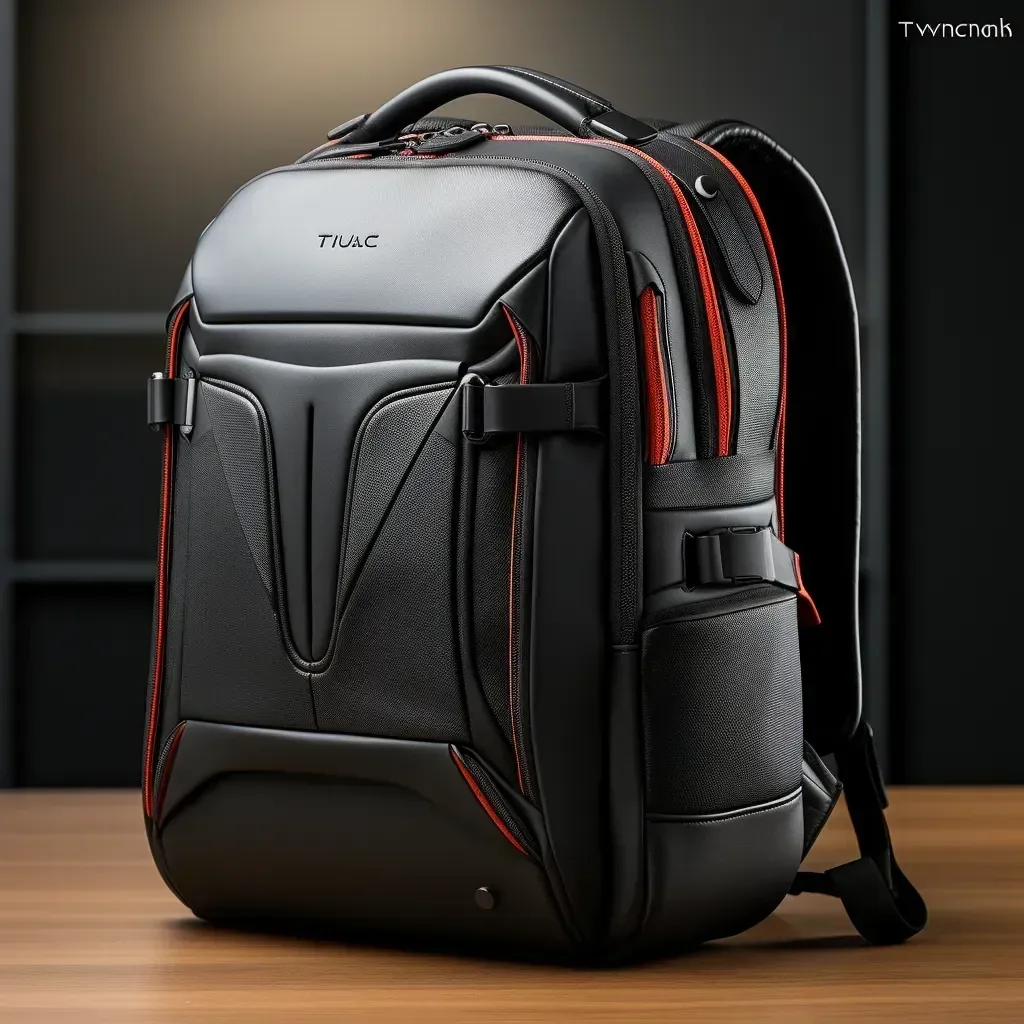
A pre-production sample is a production-representative unit built on the tooling and materials that will be used for the bulk run, and it exists to prove that the run will match the approved design. A photo sample is a unit built for presentation, styled and photographed for marketing, and it may be made before tooling is final or in materials not reserved for production. The two look identical in a photograph and are entirely different commercially: approving a photo sample is not approving a production standard, and a bulk order built to a photo sample’s implied standards can deviate substantially.
The confusion is understandable, because to a buyer both are simply ‘the sample’. But they sit at different points in the process, cost different amounts to produce, and answer different questions. Keeping them distinct is one of the simplest ways to protect a bulk order, and the distinction becomes clearer once each is described in terms of what it is for.
The Two Artefacts and Why They Get Confused
Both artefacts are physical bags, both are usually photographed, and both often arrive after design approval has been given. Those similarities hide the fact that they serve opposite purposes: one looks backward at the design to confirm it, the other looks forward at the market to sell it.
| Artefact | Primary purpose | Typical position in the schedule |
|---|---|---|
| First sample | Prove the design works as an object | After the design brief is agreed |
| Revised sample | Confirm comments were understood | End of each revision round |
| Photo sample | Provide imagery for marketing and sales | Often before or alongside pre-production |
| Pre-production sample | Prove the bulk run will be correct | After approval, before production |
| Golden sample | Serve as the reference for inspection | At final approval |
| Salesman sample | Support wholesale or retail selling | Around the pre-production stage |
The photo sample and the pre-production sample are the pair most often conflated, because a brand under time pressure wants one unit that serves both purposes. Sometimes it can, if the pre-production sample is the one that gets photographed. More often the two diverge, because a shoot happens on a marketing calendar and production tooling on a production one, and the two dates are rarely the same.
Programme parameters at a glance
| Parameter | Commitment |
|---|---|
| Minimum order quantity | 500 pieces per style / colourway |
| Sampling lead time | 6–10 working days (12–15 days for complex constructions) |
| Bulk production lead time | 35–50 days after sample approval |
| Inspection standard | AQL 2.5 (ISO 2859-1), single sampling, general level II |
| Incoterms | FOB Xiamen — EXW, CIF and DDP available on request |
| Payment terms | T/T 30% deposit / 70% before shipment; L/C at sight for container loads |
| Verified production floor space | 4,950 m² (SGS-verified) |
| Team | 137 staff across 7 production lines |
| Equipment | 149 machines including computerised saddle-stitch and edge-painting units |
| Monthly capacity | 200,000 pieces |
| Entity | Founded 2014; principal has worked in bag development since 2004 |
What a Pre-Production Sample Is
The pre-production sample is the most consequential unit in the whole process after the design is settled, because it is where a carefully made sample meets an efficiently made run. It is built deliberately to be representative, which changes how it is produced.
Read together, those properties explain why the pre-production sample is worth waiting for. It is the last cheap opportunity to discover something. Once 35–50 days of production begins, a discrepancy between the sample and the run is no longer a scheduling inconvenience; it is a question about whether goods can ship, and the answer is usually more expensive than any time the pre-production step consumed.
What a Photo Sample Is
The photo sample is built to look right in front of a lens, and there is nothing dishonest about that. It exists so a brand can sell, launch or raise funds before production is complete. Its priorities, however, are presentation priorities, and that is precisely why it should not be approved as a production standard.
None of that makes a photo sample defective. It makes it the wrong artefact to measure a production run against. A brand that photographs a compelling unit and then treats that unit as the standard will find itself comparing bulk goods to something that was never built to be repeatable, and the resulting conversation with a production partner is difficult for a reason that is nobody’s fault.
A Direct Comparison
Placed side by side across the properties that matter commercially, the two artefacts separate cleanly. The comparison below is the one to keep in mind when a single unit is being asked to do two jobs.
| Property | Pre-production sample | Photo sample |
|---|---|---|
| Built to prove | That bulk will match the design | That the design sells on camera |
| Tooling | Production dies and jigs | Often hand-cut or pre-production tools |
| Materials | Production lots where possible | Nearest available material |
| Interior | As specified for production | Often simplified or unfinished |
| Measurements | Recorded against the brief | Not necessarily to specification |
| Function | Every fitting operated and tested | Assessed for appearance, not endurance |
| Approval role | Sets the production standard | Sets the marketing standard |
| Basis for inspection | Yes, with a golden sample retained | No, unsuitable as a reference |
The table’s most important row is the last. Inspection needs a physical reference that represents what bulk was built to produce. A photo sample does not represent that, because it was never made under the conditions bulk will face. Applying it as a reference turns ordinary variation into apparent defects, since the reference itself is an idealised, often retouched set of standards no run could match.
Why the Difference Matters Commercially
The distinction is not academic. It affects what is inspected, what is paid for, what can be claimed about delivery, and what happens when a bulk unit is questioned. Each of those has a cost attached.
| Situation | If built to a pre-production sample | If judged against a photo sample |
|---|---|---|
| Bulk inspection | Compared to a representative reference | Compared to an idealised or retouched one |
| Dispute resolution | Golden sample and records settle it | Opinion and imagery, which are contestable |
| Compliance evidence | Materials and construction match documentation | Materials may not match what was approved |
| Reorders | The standard carries forward reliably | The standard may not exist as a physical unit |
| Buyer confidence | Based on a verified process | Based on a persuasive image |
| Cost of rework | Caught before the run | Often discovered after the run |
The compliance row is the one buyers forget. Market documentation frequently depends on the materials actually used, and if a photo sample was built in a substitute leather, any certificate or test report aligned to that unit may describe a material the production run does not contain. Pre-production sampling, by contrast, grounds compliance in the material lots that will actually ship.
When to Use Each
Neither artefact is optional in a well-run launch; they simply belong to different audiences and different moments. The guidance below sets out the natural role of each, so a brand can plan both without expecting one to substitute for the other.
- Use a photo sample when marketing, e-commerce, wholesale or fundraising needs imagery before production is complete, and when the brand accepts that the unit is a presentation piece.
- Use a pre-production sample when the design is approved and the question turns to whether the run will be correct, which is always before bulk begins.
- Use a salesman sample when selling into wholesale or retail ahead of delivery, ideally drawn from the pre-production standard so the unit shown resembles the unit shipped.
- Never use a photo sample as an inspection reference, because it was not built under production conditions and cannot fairly represent what the run produces.
- Combine them when the schedule allows, photographing the pre-production sample so one unit serves both purposes and the imagery reflects the real standard.
The last point is the efficient resolution. Where the marketing and production calendars permit, the pre-production sample is the ideal subject for photography: it is representative, complete and built to specification. The only reason brands photograph an earlier unit is timing, and where timing permits, photographing the pre-production unit removes the risk of imagery that promises more than the run delivers.
Risks: Approving the Wrong Artefact
Most sampling disputes trace back to an artefact being approved for a job it was not built to do. The risks below are the common ones, and each is avoided simply by keeping the two roles separate in writing.
| Risk | How it arises | Prevention |
|---|---|---|
| Bulk compared to an ideal | Photo sample used as an inspection reference | Retain a golden pre-production sample |
| Material mismatch | Substitute leather in the photo sample | Reserve production lots before photography |
| Unproven tooling | No unit built on production dies | Always make a pre-production sample |
| Compliance gap | Documentation aligned to a non-production unit | Ground compliance in the production lots |
| Late discovery | Discrepancy found after the run starts | Approve the pre-production unit before bulk |
| Unclear standard | No written record of what was approved | Record dimensions and conditions in writing |
Every prevention in that table is a small, unglamorous step: retain a reference unit, reserve material, build on real tooling, record the approval. None of them is expensive relative to the cost of discovering a problem after goods are made. The difficulty is not the steps but the discipline of not collapsing two artefacts into one under schedule pressure.
The dependable habit is to log which artefact each buyer signed and on what date, because approval history is what settles arguments months later. A partner who can point to an approved pre-production unit, plus a retained reference, has a factual basis for explaining what changed; one that waved through a photo sample for a manufacturing task has only goodwill left to lean on. Keeping the two records apart costs nothing and answers almost every question that surfaces once goods are in transit.
Building Both Into Your Schedule
Once the two artefacts are recognised as separate, the schedule becomes a matter of sequencing rather than a choice between them. The plan below shows where each fits relative to sampling, approval and the production window.
| Stage | Artefact | Purpose | Timing |
|---|---|---|---|
| Design agreed | First sample | Prove the design works | 6–10 working days, 12–15 if complex |
| Comments issued | Revised sample | Confirm the comments were understood | End of each revision round |
| Design approved | Pre-production sample | Prove the run will be correct | Before bulk begins |
| Approval recorded | Golden sample | Set the reference for inspection | One retained by each party |
| Marketing needed | Photo sample | Provide imagery before production | On the marketing calendar |
| Bulk begins | Production run | Build to the approved standard | 35–50 days after sample approval |
Read as a sequence, the two samples answer different questions at different moments, and neither can absorb the other’s job. A brand that plans both on the same timetable, photographing the pre-production unit where possible and keeping an earlier unit only for interim marketing, ends up with imagery that stands up and a run that matches it. That alignment is the whole point of knowing the difference.
Get both samples in the right order
Send your design and launch date. The programme team in Quanzhou will plan a pre-production sample that sets the production standard and a photo sample only if your marketing calendar needs one earlier, so approval never rests on the wrong unit.
Frequently Asked Questions
What is the difference between a pre-production sample and a photo sample?
A pre-production sample is built on production tooling and materials to prove the bulk run will match the approved design, and it sets the production standard. A photo sample is built for presentation and marketing, sometimes before tooling is final or in substitute materials. They look similar in an image but serve opposite purposes and should never substitute for one another.
Can I use a photo sample as a pre-production sample?
No, and the risk is material. A photo sample may be hand-cut before dies are final, made in a substitute leather, and simplified internally, so it does not prove that production tooling and materials behave correctly. Approving it as a production standard leaves the run without a verified reference, and discrepancies surface after production rather than before it.
What is a pre-production sample for?
It proves that the bulk run will match the approved design. It is built using the dies, jigs and patterns bulk will use, from the actual production lots wherever possible, following the standard operations and full specification. It is the last cheap opportunity to discover a problem before 35–50 days of production begin.
Why do I need a photo sample at all?
Because marketing, e-commerce, wholesale and fundraising often need imagery before production is complete. A photo sample exists to sell, launch or raise funds early. There is nothing dishonest about that, provided the brand recognises the unit is a presentation piece rather than a production reference.
When should a pre-production sample be made?
After the design is approved and before bulk begins. It is the bridge between sample approval and the production run. It should be measured against the brief and recorded, and a golden unit retained by each party, so inspection during bulk has an objective reference to compare against.
When should a photo sample be made?
On the marketing calendar, which is why it often precedes the pre-production sample. If timing allows, the better practice is to photograph the pre-production sample, since it is representative and complete, and use an earlier unit for interim marketing only if imagery is needed before production tooling exists.
Can a photo sample be used for bulk inspection?
No. Inspection needs a reference that represents what bulk was built to produce. A photo sample is often idealised, sometimes retouched, and built under different conditions, so using it turns ordinary production variation into apparent defects. Retain a golden pre-production sample as the inspection reference.
Does a photo sample prove the tooling works?
Generally not. Photo samples are often hand-cut or made before dies are final, precisely because they are produced ahead of the production timetable. Only a unit made on the actual production tooling demonstrates that the dies, jigs and patterns behave correctly across a run.
What is a salesman sample?
A unit used to support wholesale or retail selling before delivery. It sits around the pre-production stage and is best drawn from the pre-production standard, so the unit shown to buyers resembles the units that will ship. A salesman sample built from a photo standard can promise a finish the run will not deliver.
Why is the pre-production sample worth the extra time?
Because it is the last cheap check. Once 35–50 days of production begins, a discrepancy between the sample and the run becomes a question of whether goods can ship, which is far more expensive than the days the pre-production step consumed. It converts a risk that would be discovered post-production into a decision that can be taken beforehand.
How much does a pre-production sample cost?
It is charged like a sample rather than free, because it consumes material, labour and finishing. It usually costs less than a revised sample, since the design and pattern already exist, and it is almost always cheaper than the rework it prevents. A transparent quotation states it as its own line.
What materials should a pre-production sample use?
The production lots wherever possible. Using the actual leather, lining and hardware is what catches colour and substance differences that a swatch cannot reveal. Where a lot is not yet available, the sample should note which components are representative and which are not, so approval is informed.
How does the pre-production sample relate to compliance?
Closely. Testing and documentation frequently depend on the materials actually used, so if a photo sample was built in a substitute leather, any certificate or test report aligned to it may describe a material the run does not contain. Building the pre-production sample in production lots grounds compliance in what will ship.
What should I do if my photo sample differs from the pre-production sample?
That is normal and often unavoidable, and it should be recorded rather than resolved by force. Note which components differ, decide whether the marketing imagery still fairly represents the product, and keep the pre-production sample as the technical and inspection reference. If the imagery misleads, reshoot before launch.
Can one sample serve both purposes?
Sometimes, and it is efficient when the calendars align. If photography can happen after the pre-production sample is built, that unit is the ideal subject because it is representative, complete and to specification. The two purposes diverge mainly when marketing needs imagery before production tooling exists.
Who should retain the pre-production sample?
Both parties ideally hold a golden unit: one retained by the buyer and one by the production partner. A single travelling reference is at risk of loss, and when it disappears the standard goes with it. Two units keep the reference available through the run and into reorders, when the original has long been archived.
How long does it take to produce these samples?
The initial sampling window runs 6–10 working days, or 12–15 for complex constructions, and each revision round takes a similar period. The pre-production sample follows approval and precedes bulk, and the production run itself takes 35–50 days after sample approval, so both samples must be planned into the launch calendar.
What happens if bulk differs from the pre-production sample?
The golden pre-production sample and the written dimension record settle the question objectively, which is why both are kept. Inspection against recorded values and the physical reference identifies drift without argument. Without those records, bulk is compared against a description or an idealised image, and both are read differently by different people.