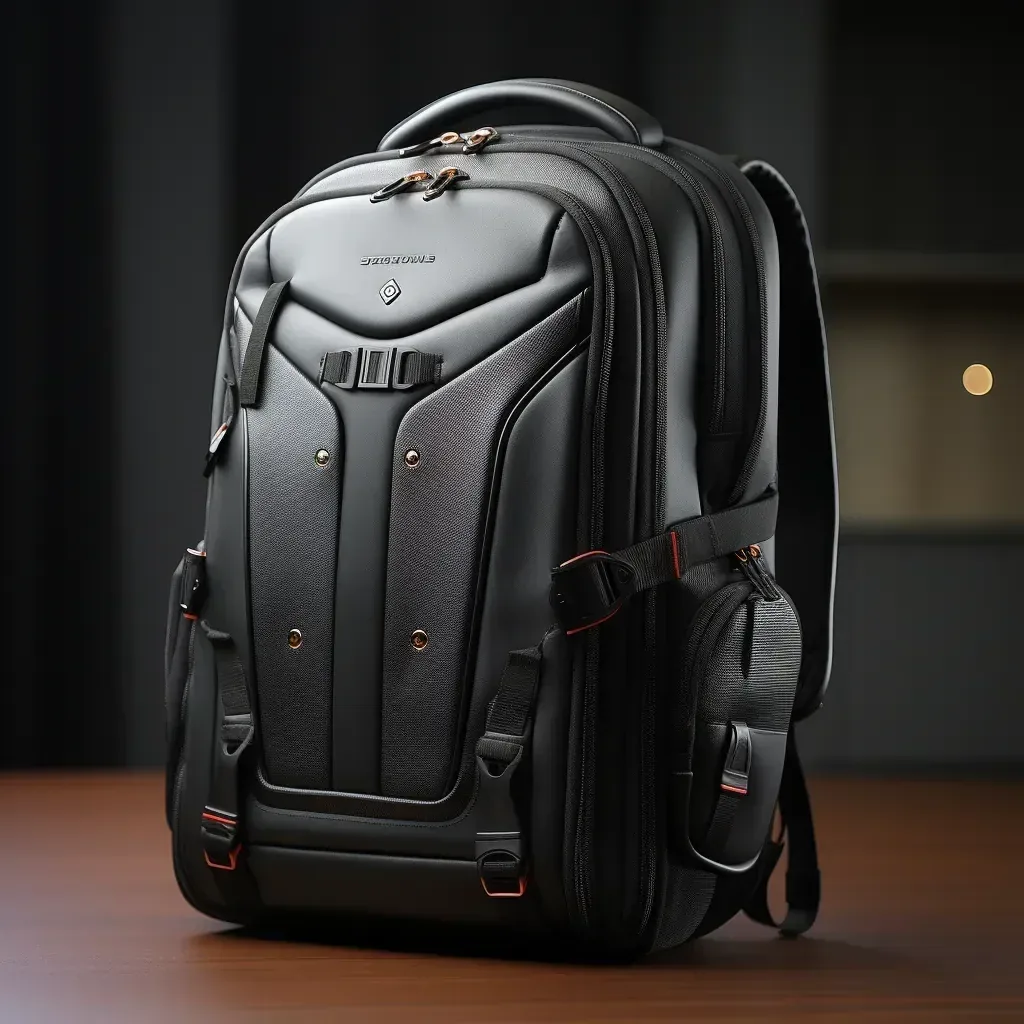
The sample approval process is a structured technical sign-off in which a sample is compared against the written brief, dimension by dimension and component by component, before it is released to bulk production. Approval means the unit matches the agreed specification and that the same specification can be repeated across a run. It is not the moment to decide whether you like the design, because taste cannot be manufacturable; it is the moment to confirm that what was specified has been built, and that what was built can be built again 500 times.
Buyers who understand that distinction approve faster and revise less. They arrive at the review with the brief in hand, they measure before they form an opinion, and they separate a fault — something that does not match the brief — from a preference, which is a change and is quoted differently. The sample approval process is where disciplined buyers save the most money, because a clear approval removes a full paid round from the schedule.
What Approval Actually Means
Approval has three distinct meanings that are often conflated, and separating them prevents a great deal of confusion later. A unit can be acceptable as a design, unacceptable as a production standard, or both. Only the second matters at sign-off.
| Concept | Question it answers | What it determines |
|---|---|---|
| Design approval | Does the silhouette and styling work? | Whether the design proceeds at all |
| Technical approval | Does the unit match the brief exactly? | Whether the sample is released |
| Production approval | Can the specification be repeated consistently? | Whether bulk may begin |
| Commercial approval | Is the unit cost acceptable at this specification? | Whether the order is placed |
| Final approval | Is the pre-production unit correct? | Whether the run starts |
The order in which those arrive matters. A design that is approved on taste but never technically signed off will drift during a run, because there is no agreed standard to build against. A design that clears technical approval but proves uneconomic at the agreed volume will not proceed either. Approval is the point at which all of these are reconciled, and it works best when the checks are made in a fixed sequence rather than impressionistically.
Programme parameters at a glance
| Parameter | Commitment |
|---|---|
| Minimum order quantity | 500 pieces per style / colourway |
| Sampling lead time | 6–10 working days (12–15 days for complex constructions) |
| Bulk production lead time | 35–50 days after sample approval |
| Inspection standard | AQL 2.5 (ISO 2859-1), single sampling, general level II |
| Incoterms | FOB Xiamen — EXW, CIF and DDP available on request |
| Payment terms | T/T 30% deposit / 70% before shipment; L/C at sight for container loads |
| Verified production floor space | 4,950 m² (SGS-verified) |
| Team | 137 staff across 7 production lines |
| Equipment | 149 machines including computerised saddle-stitch and edge-painting units |
| Monthly capacity | 200,000 pieces |
| Entity | Founded 2014; principal has worked in bag development since 2004 |
The Approval Sequence, Step by Step
A repeatable sequence is worth more than a long list, because it prevents the most common error: judging an aspect of the sample before the earlier checks have passed. The sequence below runs from verification to judgement, so an opinion is only formed once the facts are settled.
- Confirm the brief is current. Use the latest approved revision of the specification, not an earlier draft.
- Measure against the brief. Record actual dimensions and compare them to stated figures and tolerances.
- Check materials against swatches. Confirm leather, lining, reinforcement and hardware match what was approved.
- Inspect construction. Examine seams, structure, alignment and symmetry before closing details.
- Operate every fitting. Open and close closures repeatedly and assess the mechanism under realistic use.
- Inspect the interior. Check lining cleanliness, pocket placement and any internal branding.
- Assess the finish. Evaluate edge work, cleaning and overall presentation.
- Form and record an opinion. Approve, request revision, or approve conditionally with written conditions.
The last step is the one buyers rush, and it is the one that produces a paper trail. An approval recorded in writing, with the measured values, is what later settles any dispute about whether a bulk unit resembles the sample. Memory is not a specification, and a verbal approval is not a standard.
The Dimensional Check
The dimensional check is the backbone of approval because it is objective. It converts a subjective impression into a set of figures that can be compared, and it should be done with the brief in hand and a measuring tool on the bench, not by eye.
| Dimension | How to check it | What a deviation usually means |
|---|---|---|
| Overall width, height, depth | Measure at specified points, not at the widest | A pattern or grading error |
| Handle and strap drop | Measure from the top of the handle to the opening | A comfort issue that recurs in every unit |
| Strap length and range | Measure at both extremes of adjustment | An anchoring or fitting issue |
| Gusset width and depth | Measure at the base and mid-point | A capacity change the buyer will notice |
| Pocket and division positions | Measure from the nearest seam, not the edge | Interior layout drift |
| Hardware position | Measure against the two stated dimensions | Placement that cannot be corrected later |
Tolerances belong in this conversation. A bag is made from leather, which is a natural material, and a specification that allows no variation is unrealistic. What a good brief does is state tolerances where they matter — a handle drop, a closure alignment — and allow relaxation where they do not. Checking against a brief that contains tolerances is a different exercise from checking against a single ideal number, and it is the one that reflects how production actually behaves.
Materials, Colour and Hand
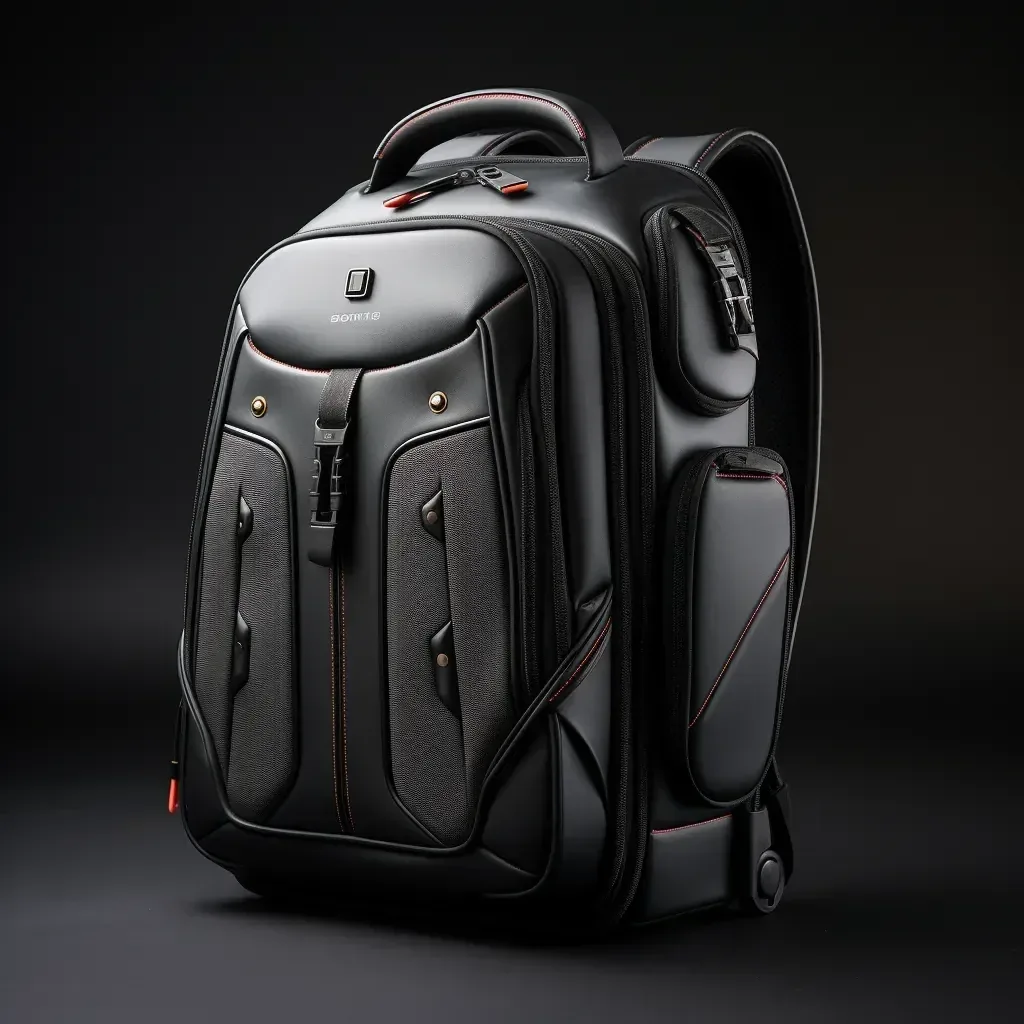
Material approval is where a sample is confirmed as representative, because colour and hand are the properties least well described in words. The checks here are about consistency between the approved swatch and the unit in hand, and about whether the material chosen can be supplied identically across a run.
The deeper question behind these checks is supply continuity. It is one thing for a sample to match a swatch; it is another for the same article to be available for the whole run. Where a material is a special order or a limited lot, the approval stage is the moment to reserve quantity, because approving a sample whose leather cannot be obtained in volume is a decision that only becomes painful later.
Construction and Hardware Checks
Construction approval asks whether the unit is built the way the brief intended, and it is where a carefully made sample most often differs from an efficiently made run. The checks concentrate on the operations that vary most across units.
| Check | What is examined | Why it matters for bulk |
|---|---|---|
| Seam consistency | Stitch density, alignment and evenness along seams | Uneven seams are the most visible sign of drift |
| Reinforcement placement | Whether stiffeners sit where the brief specifies | Misplaced structure changes the bag’s whole feel |
| Symmetry | Whether left and right panels mirror each other | Asymmetry is amplified across a run |
| Closure alignment | Whether the opening closes cleanly and evenly | A recurring functional fault if not corrected |
| Hardware seating | Fittings flush, rivets and screws well set | Proud hardware snags and marks the leather |
| Balance and standing | Whether the bag sits level when placed | A base or structure issue that repeats |
Ask which of these operations required unusual skill. That question identifies the points where a run is most likely to vary, and it lets a buyer specify an in-process check on them during bulk rather than discovering the variation at final inspection. Approving a sample is easy; approving a sample whose difficult operations are understood is what protects the run.
Interior and Finish
Interior and finish checks are often treated as cosmetic and are therefore skipped, yet interior faults are a leading cause of rejection in luxury bag inspection. The interior is where shortcuts hide, and the finish is where every earlier shortcut becomes visible.
- Lining cleanliness. No adhesive residue, stray threads or marks; the lining should look intentional, not merely present.
- Pocket placement and depth. Pockets at the specified positions and depths, since a misplaced pocket defeats its purpose.
- Interior branding. Labels, stamps or embossing in the agreed position and finish.
- Edge finishing. Coats even, free of ridges, and matching the approved colour, as edges reveal overall discipline.
- Cleaning and pressing. No glue, chalk or handling marks anywhere on the unit.
- Overall presentation. The unit should look like a finished product, not a construction sample.
A useful test is to ask whether the interior would satisfy the buyer’s own customer. Luxury bags are examined inside as well as out, and a buyer who approves a rough interior has effectively specified a rough interior for the entire run, because bulk will build to the approved standard rather than to an unstated better one.
Recording Approval: Golden Samples and Documentation
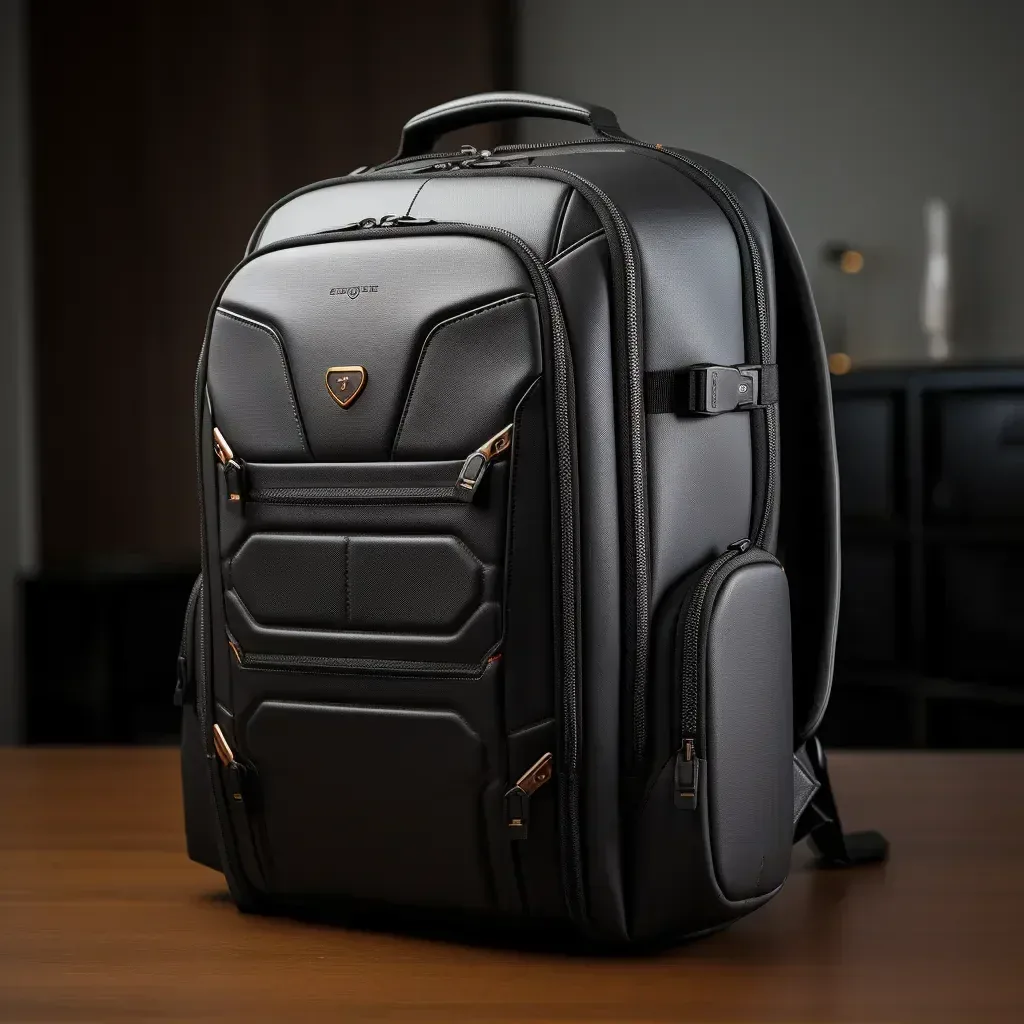
Approval is only useful if it is recorded. The documents and artefacts below are what turn a moment of agreement into a standard that survives the distance between the review table and the production line.
| Record | What it captures | Why it matters |
|---|---|---|
| Signed approval sheet | The decision and any conditions, dated | Settles later disputes about what was agreed |
| Measured dimension record | Actual values against the brief | Provides the numbers for bulk comparison |
| Golden sample | The physical approved unit | The reference every bulk unit is measured against |
| Golden sample retained by each party | A unit held by buyer and partner | Removes reliance on a single shipped artefact |
| Approved material swatches | The exact articles approved | Prevents substitution during production |
| Consumption record | Material per unit from the marker | Underpins costing and procurement |
Holding a golden sample at each end of the relationship is a small detail with a large effect. A single reference unit that travels between parties is at risk of loss, and when it is gone the standard it represented goes with it. Two units, one retained by each side, keep the reference available for the whole run and beyond, into reorders.
Conditional Approvals and How to Handle Them
Not every approval is unconditional, and a conditional approval is a legitimate outcome rather than a compromise. What matters is that the conditions are specific, written and objectively testable, so they can be verified rather than debated.
| Condition type | Example | How to make it testable |
|---|---|---|
| Dimensional | Handle drop to be reduced by a stated amount | State the target and the tolerance |
| Material | Lining to be swapped for the approved article | Name the swatch and the supplier reference |
| Finish | Edge colour to be darkened | Attach the approved edge swatch |
| Construction | Reinforcement to be added at one point | Describe the location and the material |
| Cosmetic | Branding depth to be reduced | State the depth or provide a reference piece |
The alternative to a specific condition is a general one, and a general condition is worse than a clear rejection. ‘Make the closure feel smoother’ cannot be verified, so the next sample is judged on impression again and the round achieves little. Whenever a sample is approved conditionally, the condition should be written in the same terms as the brief, so that verifying it is a measurement rather than an opinion.
Approve your sample with confidence
Send your brief and the sample you are reviewing. The programme team in Quanzhou will supply a measured dimension record, an approval sheet and a golden sample held by each side, so sign-off is a standard rather than an impression.
Frequently Asked Questions
What is the bag sample approval process?
It is a structured technical sign-off in which a sample is compared against the written brief, dimension by dimension and component by component, before it is released to bulk. Approval confirms that the unit matches the agreed specification and that the same specification can be repeated across a run. It is not a judgement of taste, which cannot be manufactured.
What should I check when approving a bag sample?
Work through a fixed sequence: confirm the brief is current, measure every stated dimension against it, check materials against approved swatches, inspect seams and structure, operate every fitting repeatedly, examine the interior for cleanliness and pocket placement, assess edge finish, and then form and record an opinion. Measuring first prevents an impression from colouring the facts.
Why is dimensional checking so important?
Because it is objective and converts an impression into figures that can be compared. A handle drop or gusset width either matches the brief or does not. Checking at specified points, with tolerances stated where they matter, gives both parties a shared standard and removes the argument about whether a unit is within specification.
Should a bag brief specify tolerances?
Yes. Leather is a natural material and a specification that allows no variation is unrealistic. A good brief states tolerances where they matter, such as handle drop or closure alignment, and allows relaxation where they do not. Checking against a brief that includes tolerances reflects how production actually behaves.
What is the difference between a fault and a preference?
A fault is something that does not match the brief, such as a wrong dimension. A preference is something you would like changed even though it matches specification, such as a proportion you dislike. The distinction matters because they are quoted differently: a fault is corrected, while a preference is a change that adds work and cost.
What is a golden sample?
The approved unit retained as the physical reference for bulk production. It settles questions no written specification resolves, particularly about colour, hand and finish. Best practice is to hold one at each end of the relationship, since a single travelling unit can be lost, taking the standard it represented with it.
How many golden samples should be kept?
Two: one retained by the buyer and one by the production partner. A single reference unit that travels between parties is at risk of loss, and when it is gone the standard goes with it. Two units keep the reference available for the whole run and into reorders, when the original has long since been archived.
What does a conditional approval mean?
It means the sample is accepted subject to specific, written conditions, such as a stated dimensional adjustment or a material swap. It is a legitimate outcome rather than a compromise, provided the conditions are objective and testable. A general condition such as ‘make it feel smoother’ cannot be verified and achieves little at the next round.
How do I record a bag sample approval?
With a dated approval sheet noting the decision and any conditions, a record of measured dimensions against the brief, the retained golden sample or samples, the approved material swatches, and the consumption figures from the marker. Without these, the agreement exists only in memory, and memory is not a specification.
What if the sample does not match the brief?
State the discrepancy in the same terms as the brief, with a number and a location, and photograph it. Group all pattern-affecting changes into one round and separate them from cosmetic comments. A rejection expressed as a verifiable instruction produces a corrected sample; a rejection expressed as an impression produces a conversation.
Which operations should I ask about at approval?
Ask which operations required unusual skill to complete. That single question identifies where the run is most likely to vary, and allows you to specify an in-process check at those points during bulk. Approving a sample whose difficult operations are understood is what protects the production run.
How do I check the interior of a sample?
Look for adhesive residue, stray threads or marks, confirm pockets sit at the specified position and depth, verify any interior branding, and ask whether the interior would satisfy your own customer. Interior faults are a leading cause of rejection, and a rough interior that is approved effectively specifies roughness for the entire run.
How do I assess edge finishing on a sample?
Check that edge coats are even and free of ridges, and that the colour matches the approved swatch. Edges reveal every shortcut taken earlier in assembly, so they are a useful indicator of overall discipline. A clean edge is one of the clearest signs that the sample was built with the same care the bulk run will require.
Does approving a sample approve bulk production?
No. Sample approval and bulk approval are separate. Between them sits a pre-production unit built on production tooling from bulk materials, plus recorded consumption figures, written tolerances, a standard operations list and an agreed inspection regime. Bulk then runs 35–50 days after sample approval.
What is a pre-production sample and when is it approved?
It is a unit built after sample approval, using production tooling and actual bulk materials, and it is approved just before the run begins. It is the last opportunity to catch a discrepancy between a carefully made sample and an efficiently made run, and it should be signed off with the same discipline as the first sample.
How quickly should I respond to a sample?
Within the agreed review turnaround, because sampling runs in windows and a delayed response forfeits the next slot rather than pausing the calendar. A review that takes two weeks costs more calendar time than the revision it precedes. Where a launch is date-critical, agreeing the turnaround in advance protects the schedule.
What happens if a bulk unit does not match the approved sample?
The golden sample and the written dimension record are what settle the question, which is why both are kept. Inspection against the recorded values and the physical reference identifies drift objectively. Without a golden sample and a dimension record, bulk is compared against a description, and descriptions are read differently by different people.
How does approval connect to quality control in bulk?
Approval sets the standard that bulk inspection measures against. The tolerances, the golden sample and the operations flagged as skill-critical all become inputs to the inspection regime, typically AQL 2.5 under ISO 2859-1 with single sampling at general inspection level II. Approval without documentation leaves inspection with nothing objective to compare.