Published: July 16, 2025Reading time: 16 minCategory: Marketing & Brand Strategy
Influencer seeding (also known as product seeding, product gifting, or influencer gifting) is a brand marketing strategy in which companies send products to selected influencers, content creators, and tastemakers without guaranteed content requirements, with the goal of generating authentic, unprompted brand mentions, reviews, and organic content. According to Influencer Marketing Hub's 2024 benchmark report, the global influencer marketing industry has grown to $21.1 billion, with product seeding campaigns delivering an average earned media value (EMV) of $3.50 for every $1 spent on product costs. For leather bag brands, influencer seeding is particularly powerful because leather goods serve as visible lifestyle accessories—when placed in the hands of the right influencers, they generate organic content that feels authentic rather than transactional. The Sprout Social 2024 Index Report confirms that organic influencer content featuring fashion accessories generates 2.3x more engagement per impression than paid sponsored posts in the same category.
For leather goods brands—whether emerging labels building their first audience or established manufacturers launching new collections—influencer seeding represents one of the most cost-efficient pathways to authentic brand building. Unlike paid advertising, which consumers increasingly ad-block and scroll past, seeded products create genuine moments of discovery that resonate with target audiences precisely because they feel unscripted.
This guide provides a comprehensive framework for leather bag brands to design, execute, and measure influencer seeding programs, with specific attention to the unique advantages and considerations that apply to leather goods. We also explore how working with an experienced OEM programme partner like Bespoke Bags can amplify the effectiveness and efficiency of your seeding efforts.
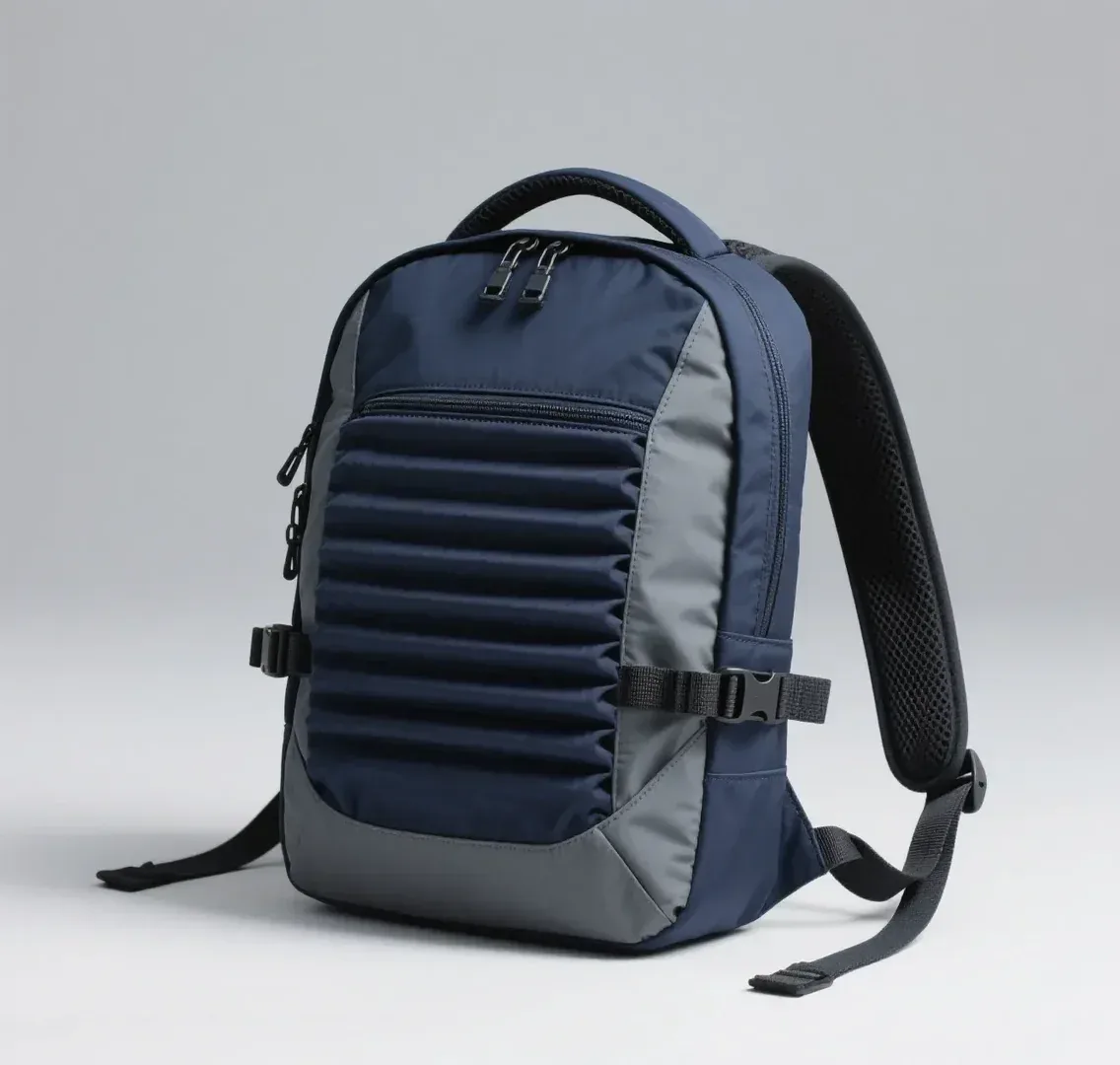
Strategic product presentation is the foundation of effective influencer seeding
Influencer Seeding vs. Paid Advertising: The ROI Comparison
Before designing a seeding program, it is essential to understand how it compares to paid influencer advertising in terms of investment, return, and strategic value. The distinction matters because many brands conflate the two approaches and fail to optimize either one.
Understanding the Fundamental Difference
Paid influencer advertising operates on a transactional model: brand pays a set fee, influencer delivers specified content (posts, stories, reels, videos) according to a brief, and the brand receives guaranteed deliverables. This model offers predictability but carries the risk of content that feels inauthentic—audiences have become adept at identifying and mentally filtering sponsored content.
Influencer seeding, by contrast, operates on a relationship model: brand sends product, builds rapport with the influencer, and authentic content may (or may not) follow organically. The lack of guaranteed content is actually a feature, not a bug. According to Sprout Social's 2024 report, consumers trust organic influencer recommendations 92% more than paid sponsored content. The content generated through seeding—when it occurs—carries an implicit endorsement that paid placements cannot replicate.
Sources: Influencer Marketing Hub 2024 Benchmark Report, Sprout Social Index 2024, internal campaign data
Key Statistic from Influencer Marketing Hub (2024): Every $1 spent on influencer marketing generates an average of $5.78 in earned media value. For product seeding specifically—where the primary cost is the product itself rather than cash fees—the ROI ratio increases to $3.50-$5.00 per $1 invested, because the cost basis is significantly lower (product at manufacturing cost rather than retail price) while the content quality and engagement rates are higher.
For leather goods brands, the ROI calculation is particularly favorable when working with an OEM manufacturer. Because product costs are based on manufacturing price rather than retail markup, the seeding investment per unit is typically 40-60% below retail value—meaning the earned media value generated per dollar spent is even higher than the industry average suggests.
Identifying the Right KOL Types for Leather Bag Brands
Not all influencers are created equal when it comes to leather goods marketing. The visual nature of leather products, their association with lifestyle and status, and their functional utility across multiple contexts all influence which influencer types will generate the most impactful organic content.
Fashion & Style Bloggers
Fashion influencers remain the primary category for leather bag seeding, but specificity matters. The most effective fashion influencers for leather goods are those who regularly feature accessories as central elements of their outfit content—not those who treat bags as afterthought props. Look for creators who have posted about bag organization, seasonal accessory trends, or "what's in my bag" content, as these indicate an audience that actively engages with bag-related content.
Business & Professional Lifestyle Creators
The business bag category—briefcases, laptop bags, messenger bags, and professional totes—lives or dies on credibility. Influencers who create content around professional lifestyle, career development, workplace fashion, or business productivity represent an underutilized but highly effective channel for leather business bag seeding. Their audiences are precisely the professionals who invest in quality leather work bags, and their content naturally contextualizes products in real-use scenarios.
Travel & Adventure Influencers
Travel leather goods—duffels, weekender bags, luggage accessories, and travel organizers—benefit enormously from travel influencer placement. The aspirational context of travel content elevates product perception, and the practical demands of travel (durability, organization, style) provide natural content hooks. Travel influencers who feature packing tips, airport style, or destination fashion are ideal seeding targets for leather travel collections.
Lifestyle & Home Aesthetic Creators
An often-overlooked category, lifestyle and home aesthetic influencers create content where leather bags appear as part of curated environments—desk setups, entryway styling, closet organization. Their audiences value quality, design, and visual harmony, making them receptive to premium leather accessories. These creators also tend to have highly engaged, purchase-ready audiences because their content directly influences home and lifestyle purchasing decisions.
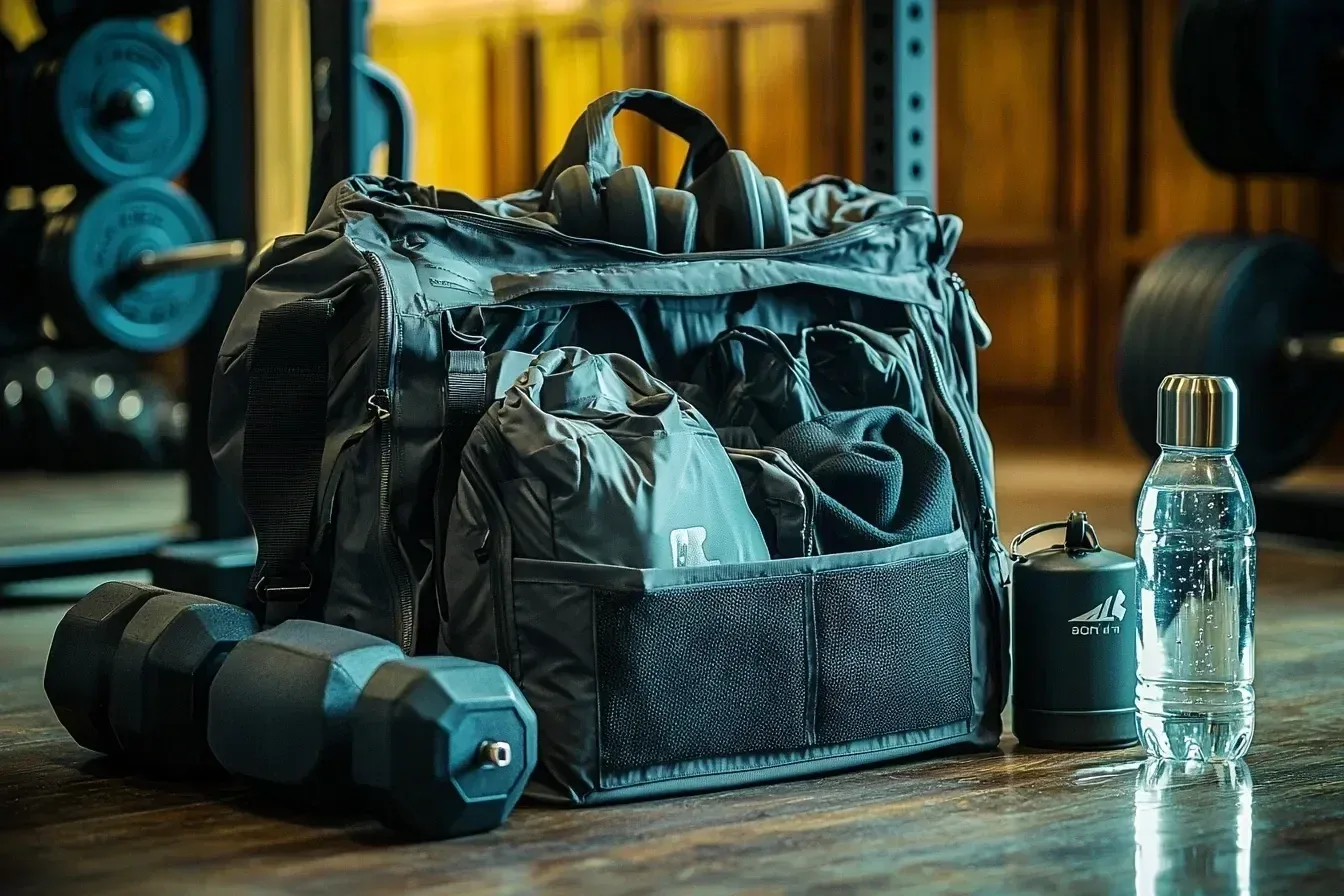
Leather bags resonate across multiple influencer categories when matched to audience context
Influencer Tier Selection Framework
Sources: Influencer Marketing Hub 2024, Sprout Social 2024, industry benchmarks for fashion accessories
For leather bag brands launching their first seeding program, we recommend a tier pyramid strategy: 60% micro-influencers (for authenticity and community trust), 25% mid-tier (for reach and credibility), and 15% macro (for aspirational positioning). This mix optimizes the engagement-to-investment ratio while building a diversified content portfolio.
Product Seeding Strategy: Selection, Packaging & Personalization
The success of an influencer seeding campaign is determined not just by who receives the product, but by what they receive and how it arrives. For leather goods—which are inherently tactile, visual, and experience-driven—the seeding package itself is a critical part of the strategy.
Product Selection Strategy
Selecting the right product for seeding requires balancing multiple factors:
- Visual Impact: Choose products that photograph well and stand out in a social media feed. Structured silhouettes, rich leather colors, and distinctive hardware details all contribute to visual impact.
- Accessibility: Seed products that are either bestsellers or new arrivals—items that are readily available for purchase if the influencer's audience shows interest. Nothing undermines a seeding campaign more than an audience asking "where can I buy this?" with no answer.
- Versatility: Products that work across multiple contexts (day-to-night bags, professional-casual styles) generate more content opportunities and reach broader audience segments.
- Price Point Alignment: Match product retail price to influencer tier. Seeding a $500 luxury handbag to a nano-influencer may create an aspirational moment, but seeding a $150 everyday leather handbag to a micro-influencer whose audience can actually afford it will drive more measurable action.
Packaging as a Strategic Touchpoint
When an influencer opens a seeded product, the unboxing experience is often the content. For leather goods brands, this means the packaging must be designed to generate its own shareable moment. This does not mean excessive or wasteful packaging—it means intentional, branded, and photogenic presentation.
Key packaging elements for influencer seeding:
- Branded rigid box with magnetic closure or ribbon detail—the "first impression" that sets the tone
- Recycled cotton dust bag bearing the brand logo—the product's protective layer that doubles as a brand touchpoint
- Handwritten or personalized card—this is the single most impactful element. A genuine, personal note from the brand founder or team member dramatically increases the probability of content creation and positive sentiment
- Product care information elegantly presented—demonstrates quality commitment and provides practical value
- Small complementary item—a leather accessory such as a card holder, key fob, or luggage tag adds perceived value and introduces the recipient to your broader product range
Personalization Tactics That Drive Results
Research from Sprout Social indicates that personalized seeding packages generate 2.8x higher content creation rates compared to generic product shipments. For leather goods brands, personalization can take several forms:
- Monogramming or hot-stamping the influencer's initials on the product—creates a truly one-of-one item and dramatically increases emotional attachment
- Color personalization—offering the influencer a choice of leather color from your available palette gives them a sense of co-creation
- Contextual personalization—research the influencer's aesthetic and select a product that fits their existing style. A travel influencer might receive a leather weekender; a business creator might receive a structured laptop sleeve. The fit between product and persona must feel natural, not random
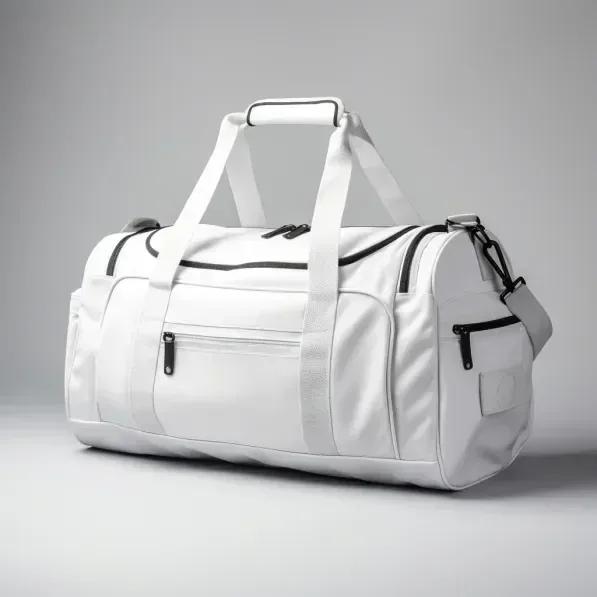
Personalized seeding packages generate 2.8x higher content creation rates
Collaboration Negotiation: Terms, Content Expectations & Boundaries
While traditional influencer seeding is characterized by its "no strings attached" approach, smart leather bag brands establish clear frameworks that protect their investment while preserving the organic spirit of the program. The negotiation phase sets the tone for the entire relationship.
Content Expectations: Clear but Flexible
The most effective seeding communications establish expectations without creating obligations. Recommended language includes:
"We'd love for you to experience our [product name] and share your honest thoughts with your audience if you genuinely love it. There's no obligation to post—our priority is that you have a great experience with the product. If you do create content, we'd simply ask that you tag [@brandhandle] so we can appreciate and share it."
This approach works because it removes pressure while creating a psychological framework for content creation. The influencer feels trusted rather than managed, which paradoxically increases the likelihood of positive, high-quality content.
Key Negotiation Points
Based on industry standard practices and Bespoke Bags client campaign data 2024
Exclusivity & Usage Terms
For pure seeding programs, demanding exclusivity is generally counterproductive—it signals a transactional relationship where a relational one is intended. However, if a seeding relationship proves particularly successful (the influencer generates strong engagement and expresses genuine brand affinity), upgrading to a paid partnership with defined exclusivity terms is a natural next step.
When transitioning from seeding to paid partnership, common terms for leather goods include:
- Category exclusivity: Influencer agrees not to feature competing leather bag brands for 60-90 days
- Content usage rights: Brand receives right to repurpose influencer content for 6-12 months across owned channels
- First-look access: Influencer receives new collections before general market availability
- Affiliate arrangement: Influencer receives commission on sales generated through their unique link or code, aligning their interests with brand performance
Measuring Success: Key Performance Indicators
One of the most common mistakes leather bag brands make with influencer seeding is failing to establish measurement frameworks before launching campaigns. Without clear metrics, it is impossible to optimize programs, justify budgets, or identify what is working.
The Four-Layer Measurement Framework
Layer 1: Content Metrics
Track the volume and quality of content generated through seeding:
- Content creation rate (percentage of seeded influencers who post organically)
- Post quality assessment (professional photography, product visibility, positive sentiment)
- Content format diversity (feed posts, stories, reels, TikTok videos)
- Average content lifespan (how long posts continue generating engagement)
Layer 2: Engagement Metrics
Measure how audiences respond to seeded content:
- Engagement rate (likes + comments + shares + saves / impressions)
- Comment sentiment analysis (positive vs. neutral vs. negative brand mentions)
- Share and save rates (strong indicators of purchase intent)
- Story completion rates (for story-format content)
Layer 3: Brand Impact Metrics
Assess broader brand effects from seeding activities:
- Brand mention volume (organic mentions across platforms over campaign period)
- Brand search volume increases (Google Trends, platform search data)
- Follower growth attributed to influencer exposure
- Brand hashtag usage by non-influencer users (indicating audience spillover)
Layer 4: Conversion Metrics
Where possible, track direct business impact:
- Unique discount code usage (if codes are provided to seeded influencers)
- Website traffic spikes correlating with influencer posting dates
- Direct inquiries referencing influencer content ("I saw this on [influencer's] page")
- Earned media value (EMV) calculation compared to equivalent paid advertising cost
Measurement Insight from Sprout Social (2024): Brands that implement structured measurement frameworks for their influencer programs report 45% higher ROI compared to those that rely on informal tracking. The key differentiator is not measurement sophistication but measurement consistency—tracking the same metrics across all campaigns enables optimization over time.
Budget Planning: Tiered Investment Framework
Budget allocation for influencer seeding programs should reflect brand stage, market objectives, and available resources. Below are three tier frameworks designed for leather goods brands at different stages of growth.
Based on aggregated campaign data from leather goods brands working with OEM manufacturing partners, 2024
The critical advantage for brands working with OEM programme partners like Bespoke Bags is the product cost structure. Because seeding products are priced at manufacturing cost rather than retail, the product investment component—which typically represents the largest single line item—is 40-60% lower than it would be for brands purchasing at wholesale or retail. This cost advantage flows directly to the ROI calculation.
Avoiding Common Pitfalls
Even well-planned influencer seeding programs can underperform if brands fall into common traps. Here are the most frequent mistakes and how to avoid them:
Pitfall 1: Seeding to Irrelevant Audiences
Sending premium leather goods to influencers whose audiences have no purchasing power or interest in leather accessories wastes product investment and creates no brand value. Solution: Prioritize audience demographics and purchase behavior over follower count. A micro-influencer whose audience actively buys leather accessories will outperform a mega-influencer whose audience is primarily interested in free giveaways.
Pitfall 2: Overlooking Product-Quality Consistency
Seeded products that arrive with quality issues—loose stitching, color inconsistencies, hardware defects—create catastrophic brand damage because the issues are publicly documented by the influencer. Solution: Implement dedicated quality control for all seeding units. An OEM manufacturer with integrated quality control processes ensures every seeded product meets the same standard as retail inventory.
Pitfall 3: Ignoring the Follow-Up
Many brands send products and never follow up, missing the opportunity to build lasting relationships. Solution: Implement a structured follow-up sequence: a thank-you message upon delivery confirmation, a genuine check-in two weeks later (without pressuring for content), and a long-term relationship touchpoint at 60-90 days. The brands that build lasting influencer relationships are the ones that treat seeding as the beginning, not the entirety, of the relationship.
Pitfall 4: Failing to Plan for Scale
Brands that see initial seeding success often struggle to replicate it because they lack systems for influencer identification, outreach, product preparation, and measurement. Solution: From day one, document your seeding process, build an influencer database with interaction history, and establish repeatable workflows for product preparation and shipment.
Pitfall 5: Neglecting Legal & Disclosure Requirements
Even though seeding involves no monetary payment, most regulatory frameworks (including the FTC in the United States and ASA in the United Kingdom) consider free products a form of compensation that requires disclosure. Solution: Include clear, simple disclosure guidance in your seeding communication: "If you choose to share about our product, please use #ad or #gifted in your post as this is a regulatory requirement." This protects both the influencer and your brand.
The OEM Advantage in Influencer Seeding
Working with an experienced OEM manufacturer provides leather goods brands with several structural advantages for influencer seeding programs:
- Cost-efficient product preparation: Manufacturing-cost pricing means more seeding units per dollar invested
- Custom color and design options: Create exclusive seeding colorways that are unavailable to general consumers, making the product feel truly special
- Quality assurance at scale: Professional quality control processes ensure every seeded unit represents the brand at its best
- Packaging customization: Custom packaging design that creates premium unboxing moments tailored to influencer audiences
- Logistics coordination: Experienced international shipping and customs handling for seamless delivery to influencers worldwide
- Small batch flexibility: With MOQs of 500 pieces for bags and 500 pieces for leather accessories, even emerging brands can create dedicated seeding inventory without overcommitting
Conclusion: Building Authentic Influence Through Strategic Seeding
Influencer seeding for leather goods brands is not about buying attention—it is about earning it. When the right product reaches the right creator, presented with care and respect for their creative autonomy, the result is authentic content that resonates far more deeply than any paid placement could achieve.
The leather goods category is particularly well-suited to seeding because these products are inherently visual, tactile, and lifestyle-defining. A quality leather bag in the right hands generates content almost effortlessly—because the product itself tells a story about craftsmanship, quality, and taste that audiences want to hear.
For brands working with OEM manufacturing partners, the path to effective influencer seeding is shorter and more cost-efficient than for brands managing the entire supply chain independently. The ability to create custom products at manufacturing cost, backed by professional quality control and logistics support, transforms seeding from a marketing expense into a strategic investment with measurable, compounding returns.
The brands that win in influencer seeding are those that approach it as a long-term relationship-building discipline rather than a campaign tactic. Start with a focused, well-resourced program. Measure rigorously. Iterate based on data. And always remember that the goal is not just content—it is authentic advocacy that builds lasting brand equity in the leather goods market.
Frequently Asked Questions
What is influencer seeding and how does it differ from paid influencer advertising?
Influencer seeding (also called product seeding or gifting) is the practice of sending products to influencers without requiring guaranteed content in return, with the goal of generating authentic organic mentions and reviews. Unlike paid influencer advertising—which involves negotiated contracts, specific content requirements, and guaranteed deliverables—seeding is relationship-first and content-second. According to Influencer Marketing Hub, influencer seeding campaigns generate an average engagement rate 4.1x higher than paid sponsored posts because the content feels organic rather than transactional. For leather bag brands, seeding is particularly effective because the product itself serves as the proof point—when an influencer naturally integrates a quality leather bag into their daily content, the endorsement carries far more credibility than a paid placement.
How much should a leather bag brand budget for an influencer seeding campaign?
Budget varies significantly by campaign scope. For micro-influencer seeding (10-50 influencers with 5K-50K followers), a typical product investment ranges from $2,000 to $15,000 including product cost, packaging, and shipping. Mid-tier campaigns targeting 20-50 influencers with 50K-500K followers typically require $15,000-$60,000. Enterprise-level programs with 50+ influencers across multiple tiers can range from $60,000 to $200,000+ including product, logistics, follow-up coordination, and analytics. The key advantage for leather brands working with OEM manufacturers is reduced product cost—direct factory pricing typically means the product seeding cost is 40-60% below retail, significantly improving ROI calculations.
What metrics should leather bag brands track to measure influencer seeding success?
The most meaningful metrics for leather bag influencer seeding fall into four categories: (1) Engagement metrics—likes, comments, shares, saves, and story views on organic posts featuring the product; (2) Brand mention metrics—unprompted mentions, tag usage, and brand search volume increases; (3) Conversion metrics—unique discount code usage, affiliate link clicks, and direct attribution to website traffic; (4) Long-term value metrics—customer acquisition cost comparison versus paid advertising, repeat purchase rates from influencer-attributed customers, and earned media value (EMV). According to Sprout Social's 2024 report, the average earned media value per seeded product in the fashion accessories category is 3-5x the retail value of the product sent.
How should leather bag brands select the right influencers for seeding?
Effective influencer selection for leather bag brands should evaluate five dimensions: (1) Audience alignment—do the influencer's followers match your target customer demographic in age, income, and lifestyle? (2) Content quality—does their visual aesthetic complement leather goods photography? (3) Authenticity signals—do they genuinely use and endorse products they feature, or does their feed feel like an advertisement catalog? (4) Engagement quality—an influencer with 50K followers and 5% engagement rate typically outperforms one with 200K followers and 0.5% engagement. (5) Category relevance—fashion bloggers, business professionals, travel creators, and lifestyle influencers who regularly feature accessories and bags represent the strongest fit for leather goods seeding.
Can an OEM manufacturer support influencer seeding programs for leather brands?
Yes, and this is increasingly a value-added service offered by experienced OEM partners. Bespoke Bags, for example, supports client influencer seeding programs through several pathways: producing dedicated seeding samples with premium unboxing packaging, creating small batch runs of exclusive colors or designs specifically for influencer distribution, providing product photography support using their SGS-verified 4,950 m² production floor, and offering logistics coordination for international shipping of seeded products. The OEM relationship also ensures consistent product quality across all seeded units—critical because a single quality issue visible on an influencer's platform can damage brand reputation disproportionately.
Last Updated: August 14, 2026
How many units should a single influencer seeding round include?
Plan for the creator list plus roughly 15% reserve for replacements, returns and internal content use. Because each style and colour carries its own 500-piece minimum, seeding units are best taken from the main production run rather than produced as a separate batch.
When should seeded bags ship relative to a product launch?
Aim to land units two to four weeks before public launch, so creators have time to use the bag and post while interest is building. With bulk production at 35-50 days plus freight, the seeding allocation has to be booked into the production schedule early.
How should seeded bags be personalised for creators?
Subtle personalisation performs better than loud branding: a debossed initial, a handwritten card, or a colourway chosen for that creator. Personalised pieces should still come from standard components, so the personalisation adds no tooling cost or production delay. Packaging and a handwritten note usually matter more to creators than prominent branding, and neither should require new tooling or extend the schedule.
What content usage rights should a brand secure from seeded creators?
Ask for permission to repost across brand channels with credit, plus paid-usage rights if the content will run in advertising. Put the term, territory and duration in writing before units ship. Rights agreed after posting are much harder and more expensive to obtain.
How does packaging influence seeding performance?
Packaging is on camera, so it carries as much weight as the product. A dust bag, tissue and a care card raise the unboxing moment and give creators more to film. Keep the outer carton plain so the delivery does not spoil the reveal on camera.
Should nano and micro creators be prioritised over large accounts?
Usually yes for leather goods. Smaller creators typically deliver higher engagement and more credible product detail at a fraction of the seeding cost. Reserve a few larger accounts for reach, and judge all tiers on engagement and conversions rather than follower count alone.
How is a seeding programme coordinated with production timing?
Lock the creator list while the pre-production sample is being approved, so the seeding quantity is inside the bulk order. Sampling takes 6-10 working days and bulk 35-50 days, so a programme coordinator should reserve the allocation before the production slot is confirmed.
What disclosure rules apply to gifted leather bags?
Most markets require gifted products to be clearly identified as such, and platform rules are enforced independently of local law. Put the disclosure requirement in the seeding agreement, and state that the obligation sits with the creator rather than the brand.
How is a seeding programme scaled into a repeatable system?
Track which creators produce usable content and sales, then re-seed them each season. Keep a retained sample and specification so repeat colours match earlier rounds. Over two or three seasons the list becomes an asset that costs far less than equivalent paid acquisition.