
A gusset is the panel, or the folded section, that connects the front and back of a bag and gives it depth, so gusset construction is effectively the engineering that turns two flat panels into a container. The gusset determines how deep the bag is, how it stands, how wide it opens and how well it holds its shape under load. It is also where the geometry of a bag is most likely to fail, because the gusset has to match the body along its length, turn at the base and often carry a closure or a pocket along the way.
Because it sits around the sides and base, the gusset is not a feature a buyer notices directly. What they notice is the consequence: a bag that sits flat, opens wide or falls closed, stands on a shelf or slumps in the hand. All of that is decided by a piece of the pattern most customers never see. Which is why gusset construction is one of the clearest measures of whether a bag was designed or merely sketched.
This guide is written for brand owners and designers who want to understand how depth is built into a bag and why the gusset deserves attention at the development stage. It covers the main types, how the one-piece gusset works, how depth and taper change behaviour, how expandable sides are made, and how to specify and check the construction.
Programme parameters at a glance
| Parameter | Commitment |
|---|---|
| Minimum order quantity | 500 pieces per style / colourway |
| Sampling lead time | 6–10 working days (12–15 days for complex constructions) |
| Bulk production lead time | 35–50 days after sample approval |
| Inspection standard | AQL 2.5 (ISO 2859-1), single sampling, general level II |
| Incoterms | FOB Xiamen — EXW, CIF and DDP available on request |
| Payment terms | T/T 30% deposit / 70% before shipment; L/C at sight for container loads |
| Verified production floor space | 4,950 m² (SGS-verified) |
| Team | 137 staff across 7 production lines |
| Equipment | 149 machines including computerised saddle-stitch and edge-painting units |
| Monthly capacity | 200,000 pieces |
| Entity | Founded 2014; principal has worked in bag development since 2004 |
It helps to think of the gusset in three roles at once. Geometrically, it supplies the third dimension that flat panels lack. Structurally, it carries load along the base and up the sides, which is why base reinforcement and gusset construction are so closely tied. Visually, it decides whether the side of the bag reads as a clean panel or a busy sequence of folds. A gusset that satisfies all three is invisible in the best sense: nobody thinks about it because everything works.
What a Gusset Is and Why It Matters
In its simplest form a gusset is a strip that runs along the sides and base of a bag. It can be a separate panel joined to the front and back, or a section folded out of the body panel itself. Either way, it is the piece that separates the two faces of the bag by a defined distance, which is what gives the bag its capacity. Without a gusset, a bag is a flat sleeve; with one, it becomes a container.
| Role | What the gusset supplies | What fails without it |
|---|---|---|
| Depth | The distance between front and back | Bag has no usable capacity |
| Stability | A base and sides that support load | Bag slumps and will not stand |
| Opening | The width the bag opens to | Bag is stiff or gapes uncontrollably |
| Shape | Continuity of the side profile | Sides look pinched or bulging |
| Wear resistance | A panel that takes base contact | Base corners wear through quickly |
The gusset also carries the bag's contact with the world. When a bag is set down, it rests on its base, which is part of the gusset in most constructions. That makes the gusset a high-wear area, and it is why base reinforcement, thicker leather or an added reinforcing panel so often appears there. A gusset built for appearance alone, without thought for contact wear, may look correct on delivery and thin through in a year.
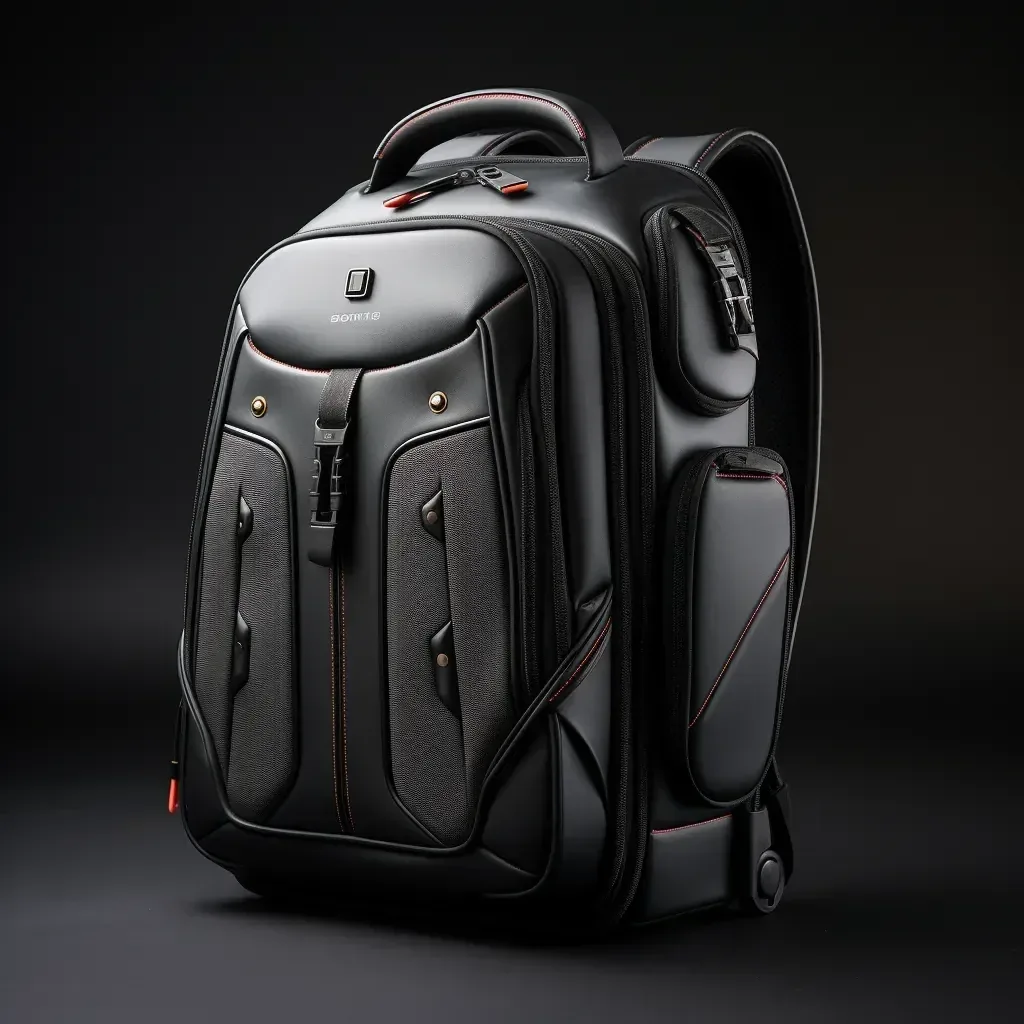
The Main Gusset Types
Gussets fall into a few recognisable types, and the choice shapes both the bag's appearance and its construction cost. A separate gusset is its own panel joined to the front and back, which gives the cleanest side profile and is common on structured bags. A folded gusset is formed from the body panel itself, so there are fewer seams and a softer look, which suits casual styles. A boxed gusset is created by folding and stitching the corners of the body, adding depth economically.
Each type trades seams against form. Separate gussets give the most control over the side profile and allow a defined side panel, which matters if the bag needs a side pocket or a smooth finish to the side. Folded and boxed gussets remove seams and labour but limit how precisely the side can be shaped. The pattern cutter decides which type serves the design, and the decision then fixes how many panels the cutting room will produce and how the bag will be assembled.
| Gusset type | How it is built | Strengths | Limits |
|---|---|---|---|
| Separate gusset | Own panel joined to body | Clean side profile, side pockets | More seams and labour |
| Folded gusset | Formed from the body panel | Fewer seams, soft look | Less control of side shape |
| Boxed corner | Corners of the panel folded and stitched | Economical depth | Simple rectangular base only |
| One-piece U-gusset | Wraps base and both sides in one piece | Fewer joins, continuous base | Harder to align and turn |
| Two-piece gusset | Side and base pieces combined | Balance of form and labour | More joins than a U-gusset |
For a brand, the type should follow the bag's purpose. A briefcase or a structured work bag benefits from a separate gusset that holds a defined side and can carry reinforcement. A soft shoulder bag may be better with a folded or boxed gusset that keeps the line simple and the labour down. The mistake is choosing a gusset type by habit rather than by the behaviour the bag needs, then discovering the problem at the first sample.
The One-Piece U-Gusset and Its Seams
The one-piece gusset, often called a U-gusset, wraps up one side, across the base and up the other side in a single continuous piece. It reduces the number of joins, which means fewer seams to align and a continuous base and side that can be reinforced in one operation. It is common on totes and structured bags where a smooth, uninterrupted side and base are wanted, and it gives a strong, continuous bottom.
Its difficulty lies in the turn and the alignment. Because the piece is continuous, it has to bend through two corners, one at each end of the base, and those corners are where the geometry is hardest. If the gusset is not drafted to allow for the turn, the base will twist or the corners will pucker. The pattern cutter must also allow for the thickness of the material at the corners, since two seams meet there and the leather can pile up.
- Draft the base length and the two side lengths together so corners meet cleanly.
- Allow for material thickness at the two base corners.
- Notch or clip the corners where the gusset turns.
- Keep the gusset height even along both sides for a level top edge.
- Reinforce the base as one continuous piece where possible.
- Check corner symmetry after assembly, before the bag is closed.
The join between the gusset and the body is the seam that defines the whole side line. On a separate or U-gusset, that seam runs from the top of one side, down and around the base, and up the other side, and it must follow the body's edge exactly. A gusset sewn slightly short will pull the base up and make the bag sit unevenly; a gusset sewn slightly long will ripple along the side. Both faults are set by the pattern and revealed at assembly.
Depth, Taper and the Bag's Behaviour
Gusset depth is the distance between the front and back panels, and it is the single number that most shapes a bag's use. A shallow gusset makes a slim, formal bag that sits close to the body. A deep gusset makes a roomy work or travel bag that holds a laptop, a folder or a change of clothes. The depth is a design decision, but it is also a functional one, and it should be set by what the bag has to carry rather than by appearance alone.
Taper is the second variable. A gusset can be parallel, the same depth from top to base, or tapered, wider at one end than the other. A tapered gusset gives a bag a defined shape and is common on bags that are narrow at the top and fuller at the base, or the reverse. The taper changes how the bag opens and how it sits, so it is part of the design language as much as the depth is, and it must be drafted consistently across all the pieces it touches.
| Gusset profile | Effect on the bag | Typical use |
|---|---|---|
| Shallow parallel | Slim, formal, close to the body | Evening and slim crossbody bags |
| Deep parallel | Roomy, rectangular, structured | Work bags and briefcases |
| Tapered narrow at top | Wider base, secure opening | Casual and bucket-style bags |
| Tapered wide at top | Easy access, soft form | Totes and shoulder bags |
| Curved profile | Sculptural, design-led | Feature and fashion bags |
Depth and taper together decide whether a bag stands. A bag stands when its base is wide enough and rigid enough to support the mass above it. A deep, parallel gusset with a reinforced base will stand reliably; a shallow, tapered gusset may not stand at all, and that may be entirely intended. The point is that standing is a consequence of the gusset, not a separate feature, and a brand that expects a bag to stand should specify a gusset that allows it.
Expandable Gussets and Pleated Sides
Some bags need to change depth with use. An expandable gusset adds pleats, folds or a belted section along the side so the bag can be wide open or compressed flat. Travel bags, work bags and totes often use this construction, because a bag that lies slim when empty and expands when full is far more useful than one with fixed depth. The pleats are drafted into the gusset, and their number and depth set how much the bag expands.
An accordion or pleated gusset works by folding the side panel into a series of pleats that stand open when the bag is loaded and collapse when it is not. Because each pleat adds material and a fold line, the construction consumes more labour than a plain gusset, and the bag's rigour depends on the pleats holding their form. The technique is a good example of how gusset design often trades simplicity for function.
Expandable gussets also interact with the closure. A bag that expands usually needs a closure that follows the change, whether a zip, a flap, a snap or a belt. If the gusset grows but the closure does not, the bag will gape when full and look slack when empty. Setting the expansion range and the closure together, at the development stage, is what keeps an expandable bag looking controlled at every point in its range.
Reinforcement at the Gusset
Because the gusset carries the base, it is where reinforcement earns its place. A base stiffener placed inside the gusset stops the bottom sagging and lets the bag stand. Extra leather or a reinforcing panel at the base corners protects the points that take the most contact and wear. And where a handle or strap meets the body near the top of a gusset, an internal plate or an extra layer spreads the load so the attachment does not tear through.
The reinforcement has to match the leather and the load. A stiff base board in a bag made from soft leather can feel mismatched, while a limply reinforced base in a heavy leather work bag will collapse under its contents. The material choice for the base and the stiffener should be settled together, since the base is the part of the bag most likely to be judged on both performance and feel.
| Reinforcement | Where it goes | Purpose | Risk if omitted |
|---|---|---|---|
| Base stiffener | Inside the gusset base | Lets the bag stand | Base sags and folds |
| Corner reinforcing panel | Base corners of the gusset | Resists contact wear | Corners wear through |
| Handle anchor plate | Near the top of the gusset | Spreads handle load | Handle tears at the root |
| Edge piping on gusset | Along the gusset seam | Defines the side line | Side seam looks unfinished |
| Interlining | Across larger gusset panels | Holds the side shape | Side bulges or creases |
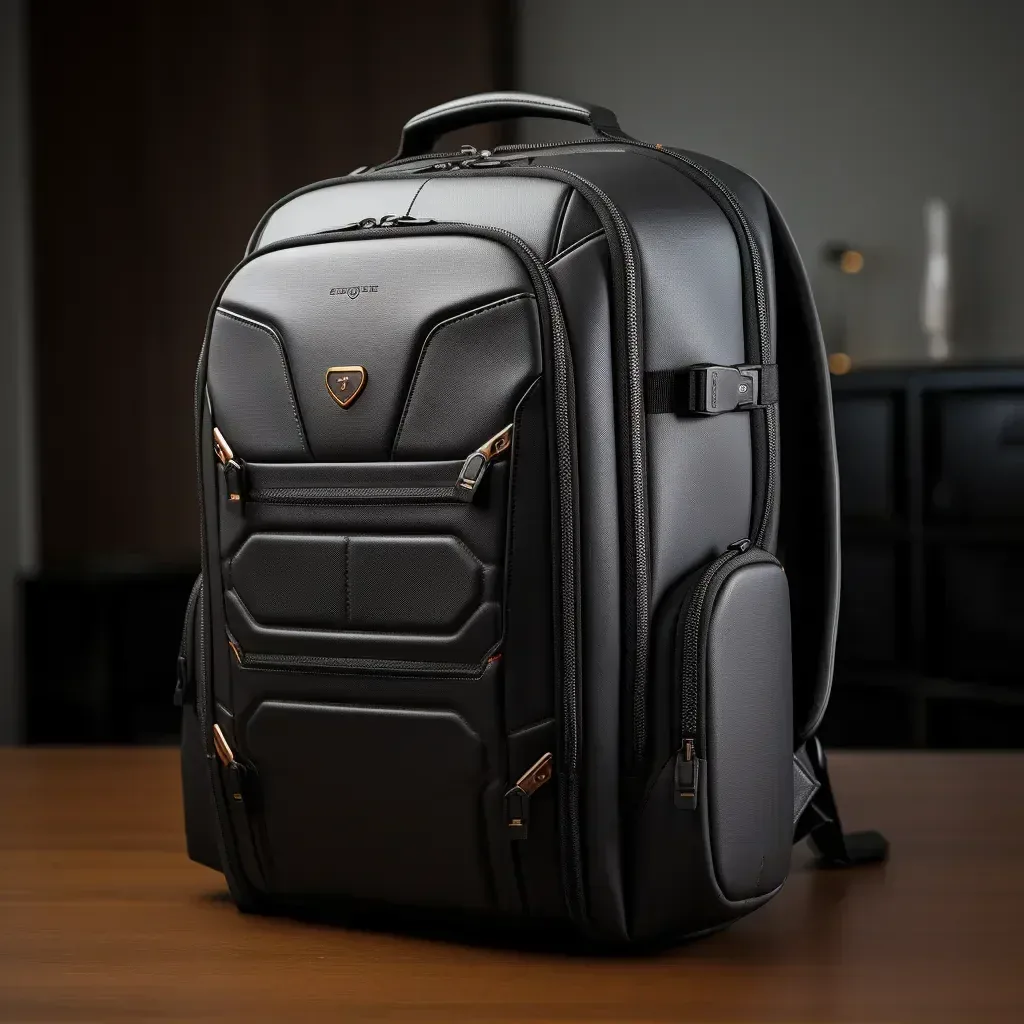
Alignment and the Corner Problem
The gusset's hardest task is alignment. It has to meet the body along a long seam, turn at two corners and often meet a base and a top edge, and every one of those joins has to land where the pattern intended. Notches are the pattern's way of communicating where pieces should meet, and on a gusset they are especially important, because the length of the gusset and the length of the body edge must correspond exactly or the bag will distort.
The corner is where alignment and geometry collide. At a base corner the gusset turns ninety degrees in the plan and may also change plane, and the material has to accommodate that without rippling on one side or pulling tight on the other. Notching and clipping the corner, allowing for material thickness and checking symmetry are all done here. A corner that is under-allowanced will pucker; one that is over-allowanced will fold into a pleat nobody wanted.
- Use notches on the gusset and body to mark matching points.
- Allow for material thickness where seams meet at a corner.
- Clip or notch the corner so the gusset turns without puckering.
- Keep the gusset height even so the top edge stays level.
- Check base symmetry before the bag is closed and turned.
- Confirm the gusset follows the body edge without pulling or rippling.
On programmes inspected to AQL 2.5 under ISO 2859-1, single sampling at general level II, many of the faults that appear at final inspection begin as gusset alignment problems: a bag that sits unevenly, a side that twists, a base that is not square. Because these cannot be corrected after the bag is assembled, the checks belong at the assembly stage, where the gusset is joined, not at the end of the line when the finished bag is examined.
Specifying and Checking Gusset Construction
A gusset specification should state the type, the depth and the profile, the reinforcement, the seam treatment and the finish along the gusset edge. It should name the notches and where the corners fall, and it should make clear how the base is stiffened and how any handle or strap transfer sits relative to the gusset. Like every part of the technical pack, it exists so that a second line, or the same line a year later, can reproduce the bag.
| Specification line | What to state | Why it matters |
|---|---|---|
| Type | Separate, folded, boxed or U-gusset | Fixes seams and labour |
| Depth and profile | Millimetres and parallel or tapered | Controls capacity and behaviour |
| Reinforcement | Base stiffener and corner protection | Ensures the bag stands and lasts |
| Seam treatment | How the gusset joins the body | Determines the side line |
| Edge finish | Piping, binding or painted edge | Defines the visible side edge |
| Corners | Notch positions and turn allowance | Prevents twisting and puckering |
Checking a gusset happens when it can still be corrected. After assembly, the bag should sit flat on the base, stand if intended, and show a level top edge and clean corners. The side should follow a continuous line without bulging or pinching. If any of those fail, the cause is almost always in the gusset rather than in the panels around it, which is why the gusset is worth inspecting before the bag is turned and closed.
For a brand, the practical conclusion is that the gusset is where a bag's usefulness is engineered rather than decorated. The programme team can develop the gusset alongside the body panels, settle its depth, taper and reinforcement, and prove it on a sample before bulk, so that the finished bag stands, opens and wears as the design intended. It is unseen work, but it is the work that decides whether the bag is a container or merely a shape.
Engineer the depth, not just the look
Share your design and what the bag must carry. The programme team will advise on gusset type, depth and taper, base reinforcement and corner construction, so the bag stands, opens and wears as intended.
Frequently Asked Questions
What is a gusset on a bag?
A gusset is the panel, or the folded section, that connects the front and back of a bag and gives it depth. It can be a separate piece joined to the body, or a section folded out of the body panel itself. The gusset supplies the third dimension that flat panels lack, so without a gusset a bag is effectively a flat sleeve rather than a container.
Why is gusset construction important?
The gusset decides how deep a bag is, how it stands, how wide it opens and how well it holds its shape under load. It also carries the base, which is the part of the bag that takes contact wear. Because almost every gusset fault appears as a visible failure elsewhere, it is one of the clearest signs of whether a bag was properly designed.
What are the main types of bag gusset?
The main types are the separate gusset, its own panel joined to the front and back; the folded gusset, formed from the body panel; the boxed corner, made by folding and stitching the corners of the body; the one-piece U-gusset, which wraps the base and both sides in a single piece; and the two-piece gusset, which combines side and base pieces.
What is a one-piece or U-gusset?
A one-piece U-gusset wraps up one side, across the base and up the other side in a single continuous piece. It reduces the number of joins, giving a continuous base and side that can be reinforced in one operation, and is common on totes and structured bags. Its difficulty is that it must turn through two corners, which is where its geometry is hardest.
What is the difference between a separate gusset and a folded gusset?
A separate gusset is its own panel joined to the front and back, giving the cleanest side profile and allowing a defined side panel or side pocket, at the cost of more seams. A folded gusset is formed from the body panel itself, so there are fewer seams and a softer look, but less control over the precise shape of the side.
How does gusset depth change a bag?
Gusset depth is the distance between the front and back panels and is the number that most shapes a bag's use. A shallow gusset makes a slim, formal bag that sits close to the body, while a deep gusset makes a roomy work or travel bag. Depth should be set by what the bag must carry, not by appearance alone.
What is a tapered gusset?
A tapered gusset is one that is wider at one end than the other, rather than parallel from top to base. A bag tapered narrow at the top and fuller at the base has a secure opening and a wide footprint, while one tapered wide at the top is easier to access. The taper is part of the bag's shape and must be drafted consistently across every piece it touches.
What is an expandable gusset?
An expandable gusset adds pleats, folds or a belted section along the side so the bag can widen when full and lie slim when empty. It is common on travel and work bags, where variable capacity is useful. The pleats are drafted into the gusset, and their number and depth set how far the bag expands, so the closure must be chosen to follow the same range.
What is an accordion gusset?
An accordion gusset is a pleated side panel that stands open when the bag is loaded and collapses when it is not. Each pleat adds material and a fold line, so the construction takes more labour than a plain gusset, and the bag depends on the pleats holding their form. It gives controlled expansion without a separate mechanism.
How does a gusset help a bag stand up?
A bag stands when its base is wide enough and rigid enough to support the mass above it. In most constructions the base is part of the gusset, so a deep, parallel gusset with a stiffened base will stand reliably, while a shallow or tapered one may not. Standing is a consequence of the gusset and its reinforcement, not a separate feature.
What reinforcement does a gusset need?
The gusset benefits from a base stiffener so the bottom does not sag, corner reinforcing panels where the base takes contact wear, and an anchor plate or extra layer where a handle or strap meets the body near the gusset top. The reinforcement has to match the leather and the load, or the bag will either feel boardy or collapse under load.
Why does a gusset pucker or twist at the corner?
A gusset puckers or twists at a corner when the turn is not properly allowed for. If the corner is not notched or clipped, or the pattern does not account for the thickness of the material where two seams meet, the gusset cannot turn cleanly and will ripple on one side or pull tight on the other. Corner faults are usually a draft problem rather than a stitching one.
Why is a gusset sometimes uneven along the side?
An uneven side usually means the gusset and the body edge do not correspond exactly. If the gusset is sewn slightly short it pulls the base up and makes the bag sit unevenly, while a gusset sewn slightly long ripples along the side. Notches mark where the pieces must meet, and they are essential on a long gusset seam.
How is a gusset joined to the body?
On a separate or U-gusset, the seam runs from the top of one side, down and around the base and up the other side, following the body's edge exactly. The gusset is placed with its edges aligned to the body, notched at matching points, and stitched so the seam follows the intended line. That seam defines the whole visible side line of the bag.
What is boxing a gusset?
Boxing creates depth by folding and stitching the corners of a flat panel into a box, rather than adding a separate gusset piece. It is an economical way to give a simple bag a rectangular base and a clean finish, and it remains common on leather totes. The base width is set by how much of the original corner is folded and stitched.
How is gusset quality checked in production?
Gusset quality is checked after assembly but before the bag is turned and closed, when faults can still be corrected. The bag should sit flat on its base, stand if intended, and show a level top edge and clean corners, with the side following a continuous line. On programmes inspected to AQL 2.5 under ISO 2859-1, gusset faults often begin as alignment problems.
Does gusset construction affect the cost of a bag?
Yes, mainly through the number of seams and the labour of turning corners. A separate gusset adds seams and assembly time but gives the cleanest side profile, while a boxed or folded gusset removes seams and labour but limits how the side can be shaped. The type should follow the behaviour the bag needs rather than a habit borrowed from another style.
Can a gusset be changed after the pattern is set?
It can, but it is costly, because the gusset touches the body, base and often the closure, so changing it alters every piece that meets it. Changes to gusset depth or profile should be settled before the pattern is frozen for bulk. If a sample shows the depth is wrong, correcting it at the sampling stage is far cheaper than after the panels are cut.
How does the gusset relate to the handle and straps?
On many bags the handle or strap is attached near the top of the gusset, where the side meets the body. That point takes load, so it usually needs an internal plate or an extra layer to spread the force and stop the attachment tearing through. Planning the handle transfer together with the gusset avoids a weak point at the most stressed part of the bag.
How does gusset construction fit into the production schedule?
Gusset development happens during sampling, which normally takes six to ten working days, or twelve to fifteen for complex constructions. The gusset is proven on a sample before bulk, which typically runs thirty-five to fifty days after approval. Reinforcement and corner treatment are built into assembly, and the same gusset specification is repeated for each run to keep results consistent.