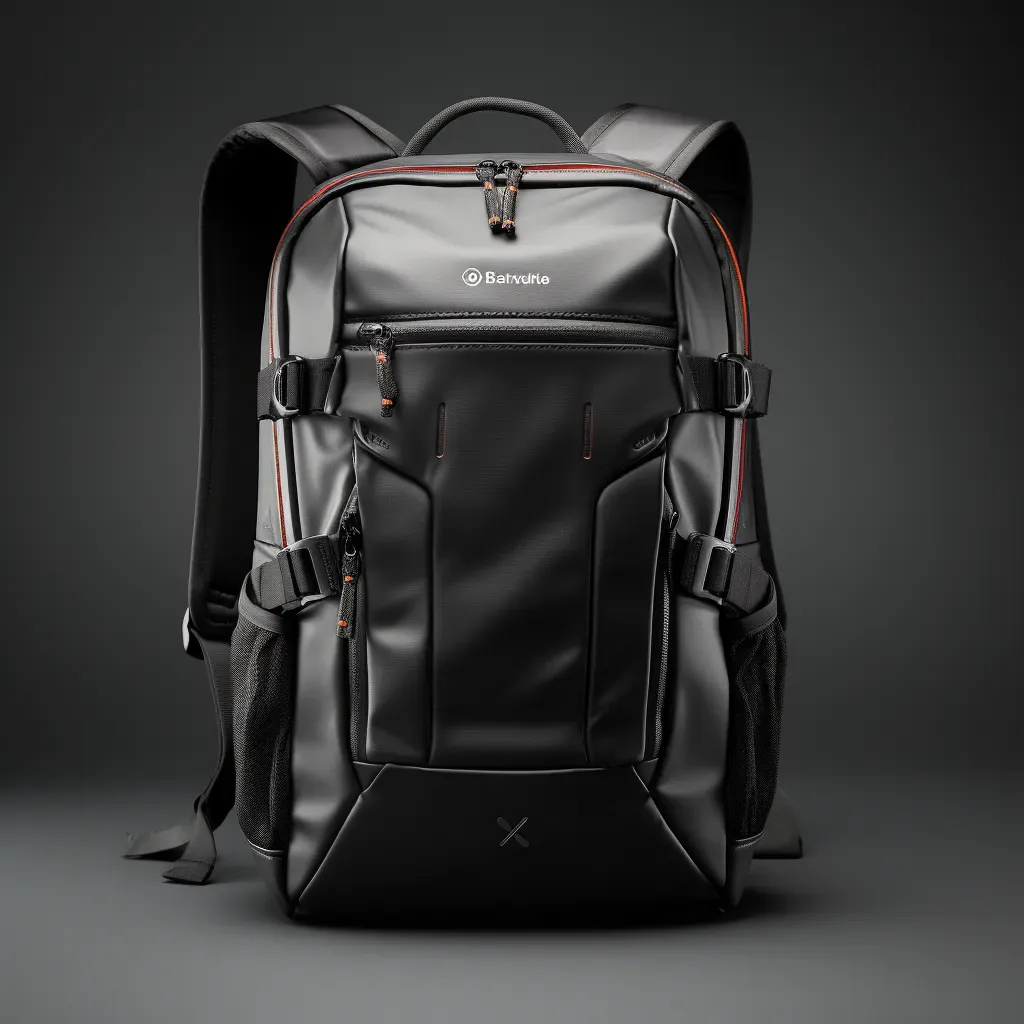
White label luxury bags are existing products that a brand rebrands and sells under its own name, without owning the design, the patterns or the tooling. The model works because development is already done: the pattern exists, the tooling is cut, materials are sourced and the compliance file may already be written. The advantages are speed, low upfront cost and low risk. The costs are limited differentiation, shared supply and little accumulated asset. Understanding both sides is what determines whether white label is a sensible first step or an expensive detour.
The term is often used loosely, which is why disputes arise. Some suppliers describe a heavily modified platform as white label; others use it for a strictly unchanged catalogue item. Both are rebranding arrangements, and the practical difference is how much of the product the brand can influence. That influence is the variable to negotiate, and it should be established in writing before any deposit changes hands.
For a brand deciding between routes, the useful framing is not good or bad but appropriate or not. White label suits a defined job, such as filling a category quickly, testing a price point or supplying a corporate channel where the product is a carrier for a message rather than the message itself. It suits that job less well when the range is meant to define the brand for years, because in that case the product itself is the message and a shared platform eventually says the same thing for somebody else.
Programme parameters at a glance
| Parameter | Commitment |
|---|---|
| Minimum order quantity | 500 pieces per style / colourway |
| Sampling lead time | 6–10 working days (12–15 days for complex constructions) |
| Bulk production lead time | 35–50 days after sample approval |
| Inspection standard | AQL 2.5 (ISO 2859-1), single sampling, general level II |
| Incoterms | FOB Xiamen — EXW, CIF and DDP available on request |
| Payment terms | T/T 30% deposit / 70% before shipment; L/C at sight for container loads |
| Verified production floor space | 4,950 m² (SGS-verified) |
| Team | 137 staff across 7 production lines |
| Equipment | 149 machines including computerised saddle-stitch and edge-painting units |
| Monthly capacity | 200,000 pieces |
| Entity | Founded 2014; principal has worked in bag development since 2004 |
What white label means in practice
In a white label arrangement the supplier owns the product definition. The brand selects from what exists, applies its identity and sells. Selection happens at the level of style, material, colour and finish, within the options the supplier offers, and the brand's influence ends where the supplier's platform ends.
| Element | White label | Private label |
|---|---|---|
| Design origin | Supplier's existing platform | Brand's specification, developed with a partner |
| Patterns and tooling | Owned by the supplier | Held for the brand's exclusive use |
| Material choice | Limited to what the platform uses | Selected and approved by the brand |
| Modification | Changes to colour, trim, branding | Full construction and proportion control |
| Exclusivity | Usually none unless purchased | Inherent in the specification |
| Development time | Minimal | Sampling plus revisions |
| Second-season cost | Largely unchanged | Materially lower, tooling already amortised |
The row that surprises buyers most is the last one. Because white label pricing reflects shared tooling and ongoing platform economics, it does not fall in season two the way a private label quotation does. A brand staying on white label for three years is effectively renting its range, and the rent does not decrease.
How the process works, step by step
The mechanics are simple, which is precisely the appeal. The sequence below is typical, and the whole thing can be completed in weeks rather than months where the platform is in stock or on a short cycle.
- Select the base style from the supplier's existing range, with dimensions, material and capacity confirmed in writing.
- Agree the modifications available: colour, lining, hardware finish, branding method and packaging.
- Confirm quantity, price and whether any territorial or time-bound exclusivity is available and at what cost.
- Place the branding order, supplying artwork, logo placement instructions and packaging specifications.
- Approve a branded sample, which usually arrives faster than a developed sample because the pattern already exists.
- Run production, inspect to an agreed standard, then ship under the chosen Incoterm.
The critical step is the second one. Buyers frequently assume they can change more than the supplier will allow, particularly around dimensions and proportions, because changing either means new pattern work. Establishing the boundary early prevents the familiar disappointment of discovering that a two-centimetre change is not a trim change but a new product. Where that boundary bites, the honest conclusion is usually that the brand wants private label and should plan for it rather than negotiate around it.
The genuine advantages
White label's benefits are real and should not be dismissed as a compromise. For certain commercial situations it is simply the correct answer, and brands that refuse it on principle sometimes spend a season developing a product that the market did not want.
- Speed: goods can be in market in weeks rather than across a full development calendar.
- Low upfront cost: no pattern development, no hardware tooling, no material approval cycle.
- Low risk: the construction is proven, so the sample is representative of bulk from the start.
- Lower minimums: shared tooling often allows smaller opening quantities than a developed programme.
- Existing documentation: test reports and compliance files may already cover the product.
- Focus: the brand's cash goes into marketing and distribution rather than into development.
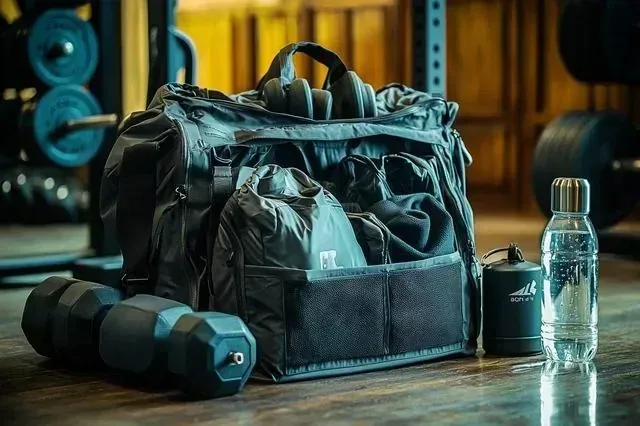
The low-risk point deserves emphasis. In a developed programme, the first sample is a hypothesis. In white label it is the product, because the line has run it before. For a brand whose main uncertainty is market demand rather than product design, that certainty is worth more than control over strap drop.
There is also a working-capital argument. Because no tooling or pattern development is funded, the same budget supports a larger first order or a stronger launch campaign. For brands whose binding constraint is cash rather than time, that reallocation is often decisive, and it is a legitimate reason to choose white label even when private label is affordable. The discipline is to revisit the decision once the constraint loosens, because the calculus changes with every season of accumulated volume.
The costs and the limits
The limitations are structural rather than negotiable in most cases. They follow from the fact that the supplier's asset, not the brand's, is doing the work, and from the commercial logic of selling the same platform to multiple buyers.
| Limitation | Why it arises | Practical consequence |
|---|---|---|
| No exclusivity by default | Tooling is shared across buyers | Competitors can sell the same bag |
| Fixed silhouette | Pattern belongs to the platform | Proportion cannot be meaningfully changed |
| Narrow material range | Sourcing is set for the platform | Material story is hard to differentiate |
| Price does not improve | No amortisation accrues to the brand | Margin stays flat across seasons |
| Shared supply risk | Popular platforms sell out in peak season | Allocation risk at the wrong moment |
| Compliance gaps | Existing reports may not cover your market | Retesting may still be required |
The price behaviour is the one that alters long-term planning. A private label range gets cheaper and faster to extend each season because the asset accumulates. A white label range does not, and the gap widens the longer the arrangement continues. This is why most advisers recommend treating white label as a phase with a defined exit rather than as a permanent model.
Where white label makes commercial sense
The model fits where the product is not the primary source of differentiation. In those situations speed and reliability matter more than originality, and paying for development would be spending on a dimension customers are not buying.
| Situation | Why white label fits | Alternative to consider |
|---|---|---|
| Corporate gifting programmes | Product carries the message, not the design | Private label if the gift defines the brand |
| Category testing | Fast read on demand before investing | Small-batch development for truer signal |
| Filling a range gap | Completes an assortment quickly | ODM adaptation with distinctive trim |
| Tight launch windows | Calendar is binding constraint | Phased conversion after launch |
| Limited development budget | Capital preserved for marketing | One developed hero plus white label fillers |
The last row describes a structure that works well in practice: one or two developed hero styles carrying brand identity, with white label or adapted pieces filling functional categories. Shared lining, hardware finish and packaging hold the range together visually, and the brand's development budget is spent where differentiation actually drives purchase.
One more situation deserves mention: marketplaces where comparison shopping is constant. White label can work there if the brand competes on service, photography and price rather than on product originality, but it is fragile, because a competing seller can list the same bag and undercut on price alone. In those channels, an owned specification or a distinctive material treatment is closer to essential than optional.
What you can realistically change
The scope of modification is the negotiation that determines whether a white label range can be defended. The table below separates changes that are usually available from those that effectively require new development, and therefore move the arrangement into private label territory.
| Change | Usually available | Why |
|---|---|---|
| Logo application | Yes | Deboss, foil, plate or woven label applied to existing panels |
| Colourway | Often | Subject to tannery minimums for the platform |
| Lining fabric | Often | Swappable without changing the pattern |
| Hardware finish | Sometimes | Depends on whether the platform has finish options |
| Zip puller shape | Sometimes | Low-cost change with visible effect |
| Dimensions | Rarely | Requires new pattern work |
| Silhouette proportion | No | Effectively a new product |
Notice which changes carry the most visual weight per unit of cost. A custom zip puller and a distinctive lining are inexpensive and are seen every time the bag is opened, whereas a silhouette change is expensive and, once made, means the brand is no longer buying a platform. Spending the modification budget on hardware and interiors is usually the better trade.
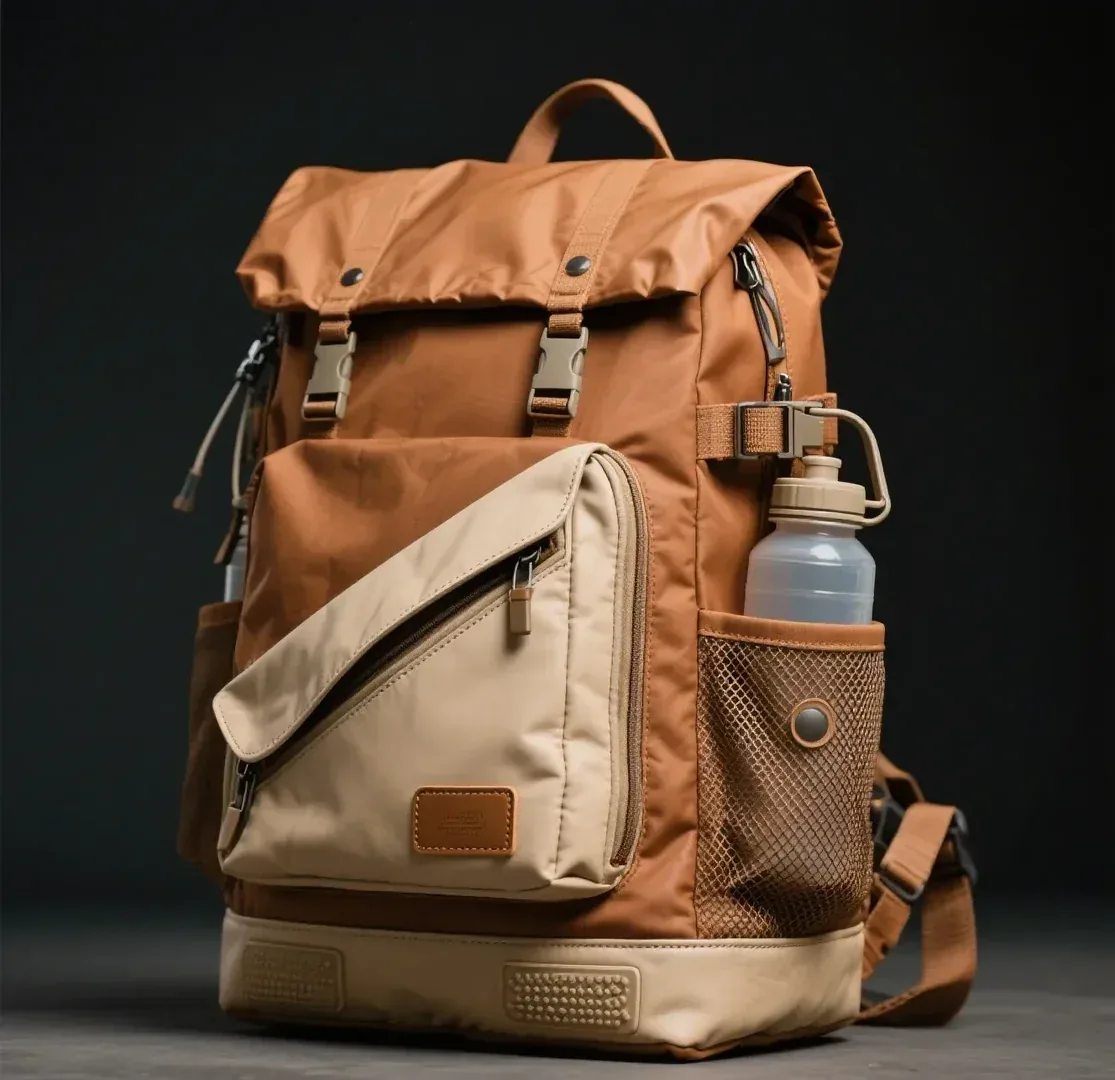
Quality, compliance and documentation
Because the product exists, buyers often assume the paperwork does too. Sometimes it does, but the reports must cover the market of sale and the exact materials in the finished goods. A lining change can invalidate an inherited test report, and a report issued for the European Union does not discharge obligations in the United States.
- Obtain the test reports and check the named materials against the configuration you are buying.
- Confirm the destination market is covered: REACH for the EU, CPSIA for the US.
- Verify country-of-origin marking and material composition statements are correct for your market.
- Agree an inspection standard anyway, typically AQL 2.5 under ISO 2859-1, general level II.
- Inspect a branded pre-production sample, not only a catalogue photograph.
- Keep the approval sample and the documentation together as the reference set.
Inspection is worth insisting on even though the product is proven. Batch variation in leather, plating and thread remains possible, and a plating inconsistency across a thousand units is the kind of defect that generates returns for months. The cost of one final inspection is small compared with the cost of a return wave.
One further documentation point applies specifically to rebranded goods: the party named on the test report may be the supplier rather than the brand. That is usually acceptable, provided the report names the materials and the product configuration accurately. Where a retailer or marketplace requires the brand to appear on the documentation, arrange retesting under the brand's name during development rather than after a listing is challenged.
Moving from white label to private label
The transition is common and should be planned from the start rather than improvised. It begins with the sales data: whichever style sells consistently is the one worth owning, because it has demonstrated demand and can justify development spend.
- Identify the best-selling style after one full season and analyse why it sells.
- Write a specification for an owned version, keeping what customers responded to and improving what they complained about.
- Commission sampling on a 6 to 10 working day cycle, allowing two to three revision rounds.
- Retain the white label version during development so the range does not go dark.
- Approve, then run bulk in 35 to 50 days at 500 pieces per style and colourway.
- Retire or reposition the white label version once the owned version is in stock.
Pricing during the transition deserves care. The owned version will usually carry a higher unit cost at low volumes, because tooling and development are being amortised over the first run. Plan the retail price for the owned version before retiring the white label one, and communicate any adjustment as a material or construction upgrade rather than as an unexplained increase.

The overlap in step four matters commercially. Brands that retire the old version before the new one lands lose the revenue that funds the transition, and the gap is often longer than planned because development discovers issues that the catalogue version had already resolved. Overlap is cheaper than a stock-out, and a season of parallel running is a normal cost of converting a range rather than a sign that the plan has failed.
Choose the model that fits the job, then plan the exit
The programme team can quote both routes against the same brief, so the comparison is real rather than rhetorical: ready-to-brand pieces for speed, or a developed private label specification on a 500-piece minimum per style and colourway with sampling in 6 to 10 working days and bulk in 35 to 50 days. Work is coordinated from Quanzhou, Fujian. Send your brief to service@junyuanbags.com or message us on WhatsApp at +86 177 5002 0688.
Frequently Asked Questions
What are white label bags?
White label bags are existing products produced by one company and sold under another brand's name. The buying brand selects the style and applies its identity, but does not own the design, patterns or tooling. The model trades differentiation for speed and low upfront cost, and is commonly used for category testing, corporate programmes and range fillers.
How is white label different from private label?
White label rebrands a product that already exists and is usually available to other buyers. Private label develops a specification for one brand and holds it for that brand's exclusive use. The difference determines pricing power: a catalogue product can be matched by any competitor who finds the same source, whereas an owned specification cannot.
Are white label bags lower quality?
Not inherently. Quality depends on the platform's specification and the inspection standard applied, not on the labelling model. Many white label platforms are well constructed and proven across many runs. What the model does affect is consistency of differentiation: the build may be excellent, but the same build is available to other brands, so quality alone will not distinguish your range.
How fast can I launch with white label bags?
Much faster than a developed programme, because there is no pattern development or tooling. Selection, branding specification, a branded sample and production can be completed in weeks where the platform is available. Freight and customs then add the same transit window as any other import, so the calendar is dominated by shipping rather than by development.
Can I change the design of a white label bag?
Only within limits. Branding, colourway, lining and sometimes hardware finish are usually adjustable. Dimensions and silhouette generally are not, because changing them requires new pattern work, which moves the arrangement into private label territory. Ask for a written list of permitted modifications before ordering, so expectations match reality.
Do I get exclusivity on a white label product?
Not by default. Exclusivity can sometimes be negotiated as a territorial right or for a defined period, usually in exchange for a volume commitment or a higher unit price. If exclusivity matters commercially, negotiate it explicitly and have it written into the order documentation rather than relying on an informal assurance.
What minimum quantities apply to white label orders?
Lower than developed programmes in many cases, because the tooling exists and the line has run the style before. Availability depends on the platform and the supplier's schedule. Bear in mind that lower minimums usually carry a higher unit price, and that material colour changes may be subject to tannery minimums regardless of order size.
Can I use my own packaging with white label bags?
Yes. Dust bags, tissue, care cards, printed cartons and labels can all carry your branding, and packaging is one of the most effective places to differentiate a shared product. Ensure any origin and composition statements on the packaging are accurate for your market, because compliance obligations attach to the finished, branded article.
Who is responsible for compliance on white label goods?
The brand selling the product carries the legal responsibility in its market, regardless of who produced it. Obtain existing test reports, confirm they name the materials in your configuration and cover your destination, and commission additional testing where they do not. REACH applies in the European Union and CPSIA in the United States.
Is white label suitable for a luxury positioning?
It can support a luxury presentation where the material and finishing are genuinely premium and where branding and packaging are executed well, but it is weaker as a long-term luxury strategy. Luxury customers increasingly ask about provenance and originality, and a shared platform is difficult to defend against a direct comparison at a lower price.
Should I inspect white label orders?
Yes. The product may be proven, but batch variation in leather shade, plating and thread still occurs, and a plating fault across a large run generates returns for months. Agree AQL 2.5 under ISO 2859-1, single sampling, general level II, and require the report before releasing the balance payment.
When should I move from white label to private label?
When one style has demonstrated consistent sell-through across a full season and you can fund development without starving marketing. Move the best-selling silhouette first, keep the white label version running during development so revenue continues, and retire it only once the owned version is in stock and has passed inspection.
How do I price white label bags against developed ones?
Price from the landed cost rather than from the model. White label has a lower development cost but does not improve across seasons, while a developed style carries tooling amortisation in year one and a lower unit cost thereafter. Build both into a multi-season model and compare the total cost of the range over two years rather than the first invoice.
Can I mix white label and private label in one range?
Yes, and it is often the most commercial structure. Develop one or two hero styles that carry brand identity and use ready-to-brand pieces for functional fillers. Unify the range through shared lining, hardware finish, edge treatment and packaging so the collection reads as a single house despite mixed sourcing routes.