Leather Bag Care & Maintenance: Complete Guide for Brands and Retailers
Published: January 15, 2025 | Author: Bespoke Bags Team | Reading Time: 15 minutes | Category: Leather Care, OEM Manufacturing
The global leather goods market reached $393.8 billion in 2023 and is projected to grow at a CAGR of 5.2% through 2030, according to Grand View Research. As brands compete in this expanding market, product quality alone is no longer sufficient — brands must also provide comprehensive after-purchase guidance to protect their reputation and build lasting customer relationships. Leather bag care represents both a customer service obligation and a significant revenue opportunity for brands willing to develop private label care products and structured maintenance programs.
At Bespoke Bags, we have spent over 20 years manufacturing premium leather goods for brands worldwide. Operating from our SGS-verified production floor in Quanzhou, Fujian, China, we have developed deep expertise not only in leather bag production through our OEM and ODM services but also in leather care science. This comprehensive guide draws on two decades of bag development experience to help brands and retailers establish effective care programs that protect their products, satisfy their customers, and generate additional revenue streams.
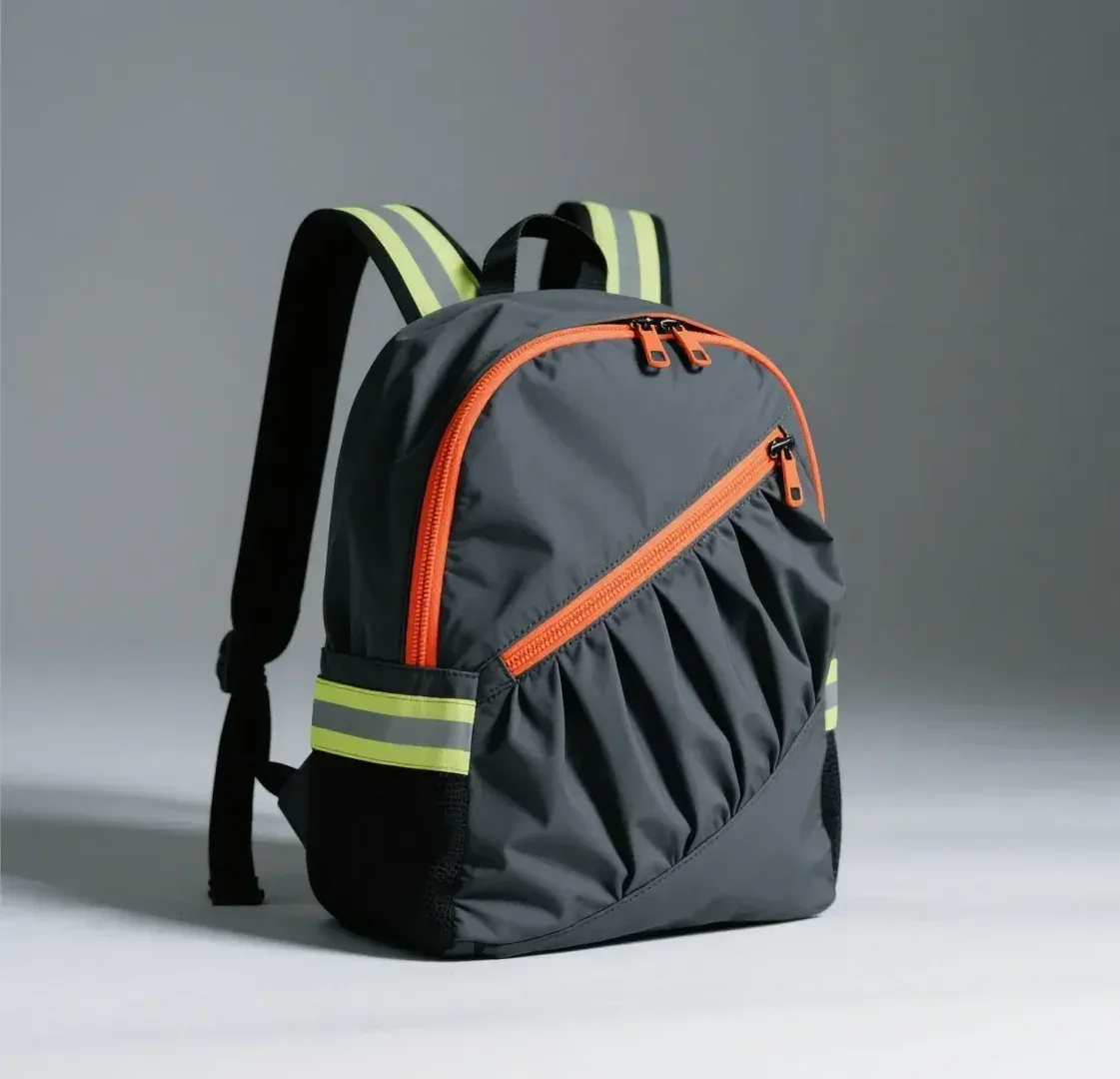
Premium leather bags require tailored care approaches based on leather type and finishing
Understanding Leather Types and Their Care Requirements
Before establishing any care program, brands must understand the fundamental differences between leather types. Each type reacts differently to cleaning agents, conditioning products, and environmental factors. Providing incorrect care advice can damage products and expose brands to warranty claims and customer dissatisfaction.
Full-Grain Leather
Full-grain leather represents the highest quality tier, retaining the complete grain layer with its natural imperfections intact. This leather type contains the highest concentration of natural oils and develops a desirable patina over time. According to the Leather Working Group, full-grain leather accounts for approximately 10-12% of premium leather goods production globally. Care requirements are relatively minimal: regular dusting with a soft cloth, conditioning every 3-6 months with pH-balanced leather conditioner, and immediate attention to spills.
Top-Grain Leather
Top-grain leather has the outermost layer sanded to remove imperfections, then embossed with a uniform grain pattern. This processing makes it more resistant to staining than full-grain leather but reduces its natural oil content. Brands offering luxury handbags in top-grain leather should recommend conditioning every 2-4 months and protection from direct sunlight exposure exceeding 4 hours daily.
Corrected-Grain Leather
Corrected-grain leather undergoes significant surface treatment including sanding, buffing, and coating with pigments or polyurethane. While more affordable and uniform in appearance, it requires different care approaches. Harsh chemicals can strip the surface coating, so mild, pH-neutral cleaners are essential. Conditioning products designed for full-grain leather may not penetrate the coating effectively.
Genuine Leather and Bonded Leather
These lower-tier leathers require careful product selection. Bonded leather, made from leather fibers bonded with adhesive, can deteriorate rapidly if exposed to excessive moisture or heat. Brands using these materials in business bags and accessories should provide clear care instructions and manage customer expectations regarding longevity.
Exotic Leathers
Crocodile, alligator, ostrich, and snake skins require specialized care protocols. These leathers have unique pore structures and scale patterns that demand specific cleaning solutions and conditioning frequencies. Luxury brands offering exotic leather evening bags should consider partnering with professional leather care specialists or developing exclusive care products through our private label services.
Essential Leather Cleaning Products and Methods
The leather care product market is valued at approximately $2.1 billion globally (Statista, 2023), with the premium segment growing fastest at 7.3% CAGR. For brands, this represents a significant opportunity to develop private label care products that complement their leather goods while generating recurring revenue.
Saddle Soap
Saddle soap remains the gold standard for deep cleaning leather goods. Its formulation typically includes sodium tallowate, glycerin, and beeswax, providing both cleaning and mild conditioning. For brands manufacturing leather accessories, recommending saddle soap for quarterly deep cleaning helps maintain product appearance and extends useful life. Note that saddle soap is not suitable for suede or unfinished leathers.
pH-Neutral Leather Cleaners
Modern pH-neutral cleaners (pH 6.5-7.5) offer gentler cleaning without disrupting the leather's natural pH balance. These products are ideal for routine cleaning of finished leathers and are the recommended choice for most consumer applications. Brands should ensure any recommended products maintain a pH within this range, as alkaline cleaners (pH above 8) can cause leather to dry, crack, and discolor over time.
Specialized Cleaners for Exotic Leathers
Exotic leathers require specialized formulations. Crocodile and alligator skins benefit from cleaners containing mink oil derivatives, while ostrich leather responds best to products with lanolin content. Snake skin requires extremely gentle, non-penetrating cleaners to preserve scale integrity. Brands offering exotic custom collections should develop specialized care kits through qualified manufacturers.
DIY Cleaning Solutions
For budget-conscious consumers, a mild solution of distilled water and castile soap (approximately 1:10 ratio) can serve as an effective general-purpose leather cleaner. However, brands should note that DIY solutions lack the pH buffering and preservatives found in commercial products, potentially leading to inconsistent results. Professional recommendations should always prioritize formulated products.
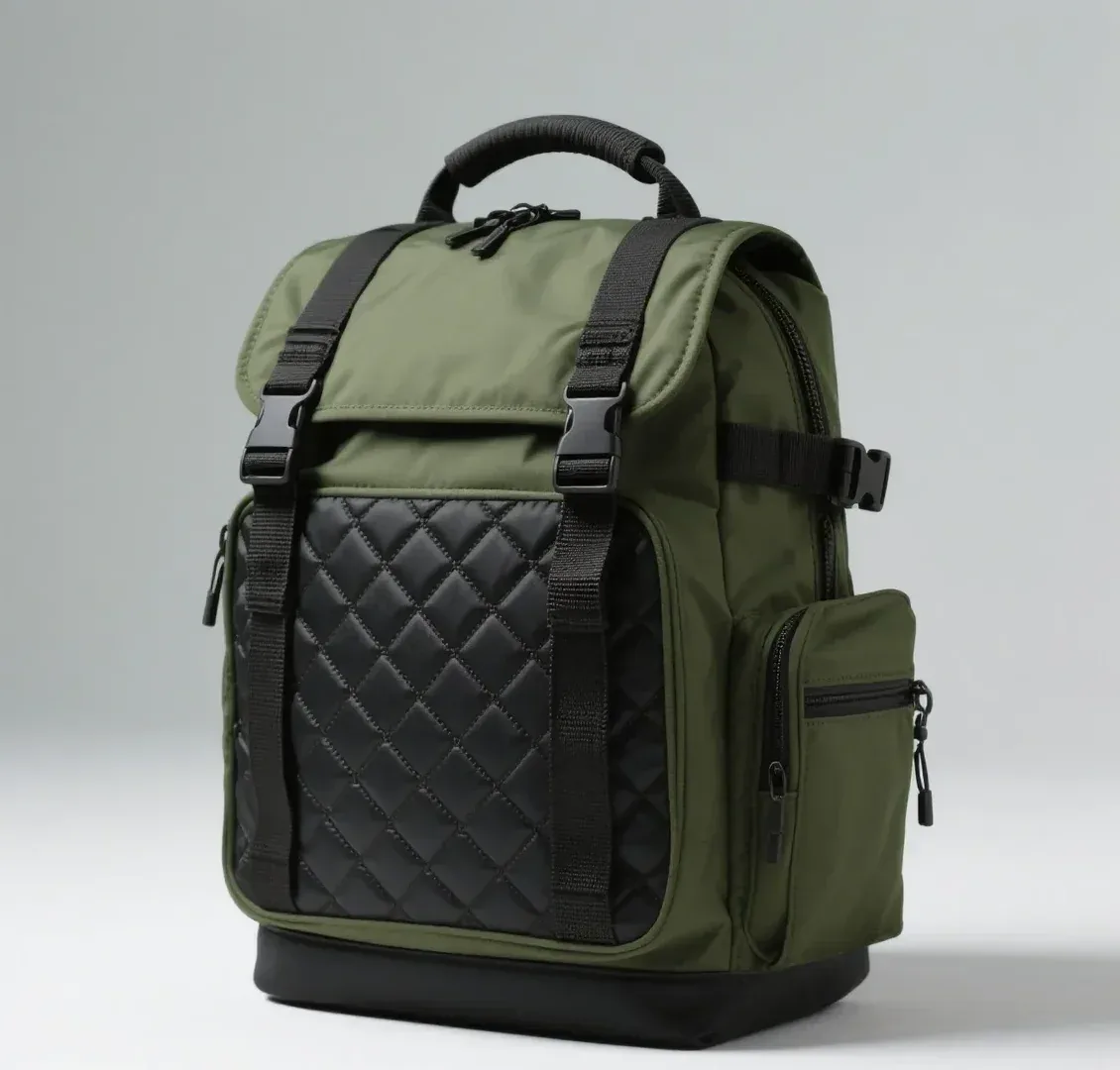
Proper conditioning techniques are essential for maintaining leather quality and appearance
Leather Conditioning: Science and Best Practices
Leather conditioning is the process of replenishing the natural oils that gradually evaporate from leather over time. Without regular conditioning, leather loses flexibility, develops cracks, and becomes susceptible to permanent damage. The global leather care products market expects conditioning products to grow from $680 million in 2023 to $980 million by 2028 (MarketsandMarkets research).
Understanding Leather Moisture Loss
Leather loses approximately 2-4% of its natural oil content annually under normal indoor conditions. In hot, dry climates, this rate can increase to 5-8% annually. Environmental factors including UV exposure, air conditioning, heating systems, and humidity fluctuations all accelerate moisture loss. This understanding forms the basis for developing effective conditioning schedules for different markets and climates.
Conditioning Product Types
- Leather Conditioner/Cream: Oil-based formulations that penetrate the leather fiber structure. Best for full-grain and top-grain leathers. Apply in thin, even coats using circular motions.
- Leather Milk/Lotion: Water-based emulsions that provide lighter conditioning. Ideal for finished leathers where heavy oil application may darken the surface. Absorbs quickly with minimal residue.
- Leather Oil (Neatsfoot, Mink): Deep-penetrating oils for heavily dried leather. Use sparingly — over-application can oversaturate fibers and cause staining. Best reserved for restoration projects.
- Leather Balm/Wax: Beeswax-based products that provide conditioning and surface protection simultaneously. Excellent for travel bags exposed to varied weather conditions.
Conditioning Application Protocol
Professional conditioning follows a systematic process: First, clean the leather surface thoroughly and allow it to dry completely (minimum 2 hours). Apply conditioner in small amounts using a clean, lint-free cloth. Work in circular motions, covering the entire surface evenly. Allow the conditioner to absorb for 15-30 minutes, then buff off any excess with a dry cloth. For heavily dried leather, a second application after 24 hours may be necessary.
Stain Removal Techniques by Leather Type
Stain removal is one of the most common customer concerns and a frequent trigger for warranty claims. According to a 2023 J.D. Power study on luxury goods customer satisfaction, 34% of leather goods complaints relate to staining or discoloration. Effective stain removal guidance can reduce return rates by up to 22% (Leather Industries of America, 2022).
Ink Stains
Ink stains require immediate attention. For ballpoint ink on finished leather, apply isopropyl alcohol (70% concentration) to a cotton swab and gently dab the stain — never rub, as this spreads the ink. For permanent marker, specialized leather ink removers containing dimethyl sulfoxide (DMSO) may be necessary. On unfinished leathers like suede, ink stains often require professional treatment.
Oil and Grease Stains
Apply cornstarch or talcum powder immediately to absorb excess oil. Leave for 2-4 hours, then brush away gently. For persistent oil stains, a leather degreaser formulated with mild surfactants can break down the oil without damaging the leather. Avoid using dish soap directly on leather, as its alkaline pH can strip natural oils and cause drying.
Water Stains and Rings
Water stains occur when moisture evaporates unevenly, leaving mineral deposits along the stain boundary. The most effective treatment is to evenly dampen the entire leather surface with distilled water, then allow it to dry slowly at room temperature. This equalizes the moisture distribution and eliminates visible water lines. For handbags exposed to rain, applying a leather waterproofing spray after cleaning prevents future water staining.
Mold and Mildew
Mold growth on leather indicates excessive humidity storage (above 65% RH). Treat with a solution of one part white vinegar to four parts water, applied with a soft cloth. Allow the leather to dry completely in a well-ventilated area. For severe mold damage, professional restoration may be required. Brands should include storage guidance with every product to prevent mold development.
Water Damage Prevention and UV Protection
Water damage and UV degradation are the two most common environmental threats to leather goods. Research from the International Union of Leather Technologists and Chemists Societies (IULTCS) indicates that UV exposure accounts for approximately 15-20% of premature leather aging in retail display environments.
Waterproofing Solutions
Modern waterproofing products fall into three categories:
- Silicone-based sprays: Provide excellent water resistance but can alter leather breathability. Best for travel luggage and outdoor-use items.
- Fluoropolymer treatments: Create a hydrophobic nano-coating without affecting leather appearance or breathability. More expensive but preferred for luxury goods.
- Wax-based treatments: Traditional approach offering good water resistance with a slight patina effect. Popular for heritage-style brands and vintage-look products.
UV Protection Strategies
Ultraviolet radiation breaks down leather collagen fibers and fades surface dyes. For retail display, recommend UV-filtering window films (blocking 99%+ UV) and limiting direct sun exposure to under 2 hours daily. For consumer products, UV-protectant leather sprays containing benzotriazole compounds can reduce UV damage by up to 70%. Brands manufacturing duffel bags and outdoor leather goods should consider factory-applied UV protection during production through our quality control processes.
Storage Best Practices for Leather Goods
Proper storage significantly extends leather product life. The American Leather Chemists Association recommends maintaining leather goods at 50-70°F (10-21°C) with 40-50% relative humidity for optimal preservation.
Short-Term Storage (Consumer Use)
- Store in breathable cotton dust bags — never plastic, which traps moisture
- Stuff with acid-free tissue paper to maintain shape (newspaper ink can transfer)
- Keep away from direct sunlight, heat sources, and damp areas
- Ensure adequate air circulation around stored items
- Remove metal chain straps to prevent impression marks
Long-Term Storage (Retail/Brand Inventory)
- Climate-controlled environments with consistent temperature and humidity
- Silica gel desiccant packets placed near (not touching) leather items
- Quarterly inspection and conditioning schedule for stored inventory
- Rotating stock using FIFO (First In, First Out) methodology
- Individual storage boxes with ventilation holes for premium items
Seasonal Storage Considerations
Different seasons present unique challenges. Summer storage requires extra attention to humidity control, as temperatures above 85°F accelerate oil evaporation. Winter storage demands protection from heating systems that create extremely dry environments (sometimes below 20% RH). Spring storage should address pollen and moisture concerns, while fall storage preparation should include conditioning before winter storage.
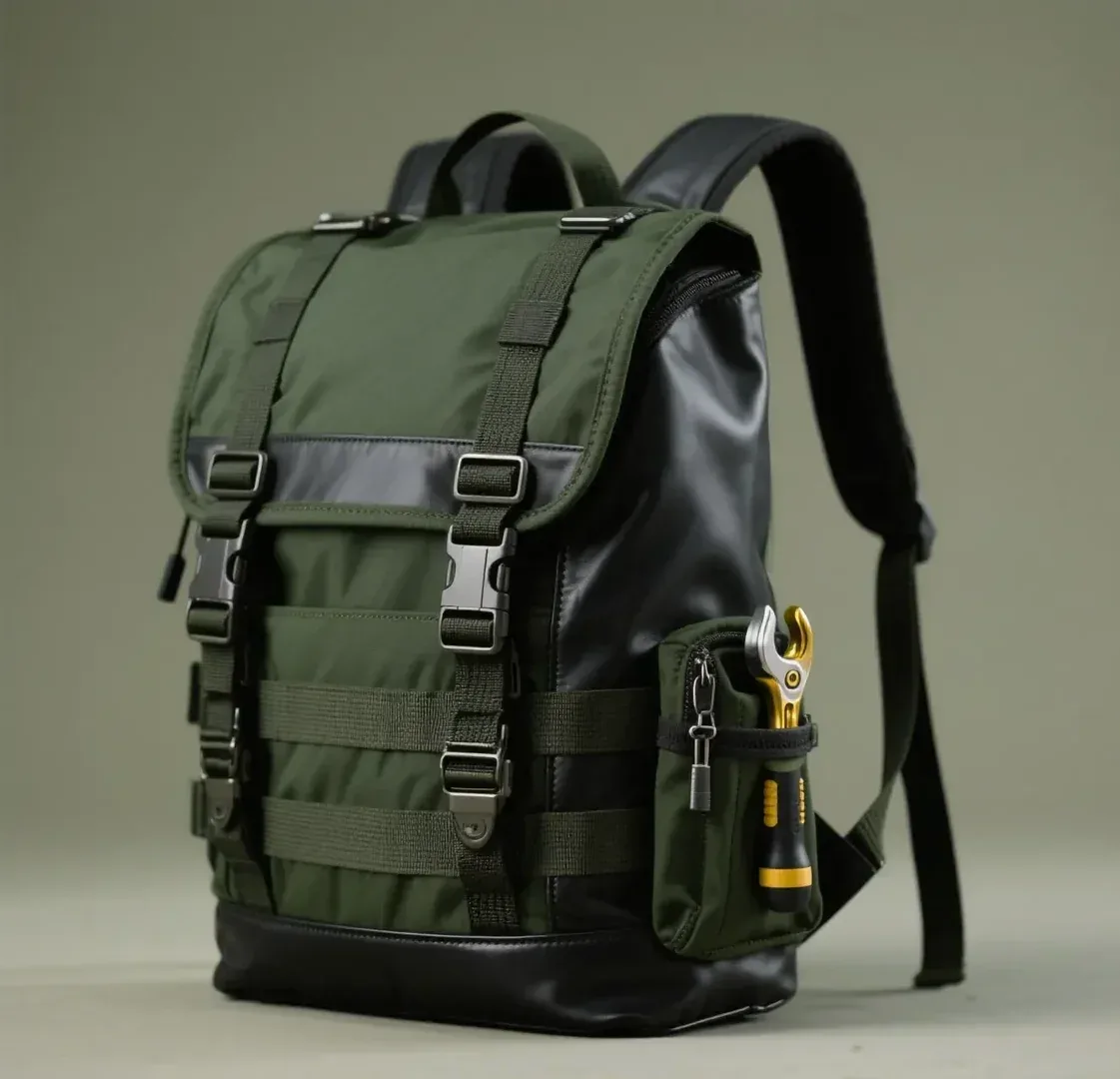
Comprehensive warranty programs enhance brand trust and customer loyalty
Building Warranty Programs for Leather Brands
A well-structured warranty program serves dual purposes: it builds consumer confidence and creates a framework for distinguishing between manufacturing defects and normal wear. Luxury brands like Hermès and Louis Vuitton offer comprehensive warranty programs that significantly contribute to their brand equity. According to McKinsey & Company's 2023 luxury goods report, brands with visible after-sales programs see 18% higher customer retention rates.
Warranty Coverage Tiers
Most successful leather goods warranties follow a tiered structure:
- Manufacturing Defects (1-5 years): Covers stitching failures, hardware malfunctions, material defects present at purchase. Full repair or replacement at manufacturer's discretion.
- Normal Wear Coverage (6 months - 2 years): Covers premature leather deterioration, color fading beyond normal expectations, and zipper failures under normal use.
- Lifetime Services: Paid repair and restoration services available indefinitely. Creates ongoing customer relationships and recurring revenue.
Care Instructions as Warranty Requirements
Progressive brands tie warranty validity to proper care maintenance. Customers who can demonstrate regular conditioning (through purchase records of care products) receive extended coverage. This approach incentivizes proper care while creating a built-in market for branded care products.
Care Product Private Label Opportunities
The private label leather care market represents a $400+ million annual opportunity globally. For leather goods brands, developing a custom care product line offers multiple advantages: enhanced brand experience, recurring revenue from consumable products, improved product longevity (reducing warranty claims), and stronger customer relationships through ongoing engagement.
Product Line Development
A comprehensive private label care line typically includes:
- Leather cleaner (pH-balanced, suitable for the brand's specific leather types)
- Leather conditioner (formulated for the brand's leather finishing process)
- Protective spray (waterproofing and UV protection)
- Storage bag (branded cotton dust bag)
- Application cloths (branded microfiber cloths)
- Care instruction card (customized to brand products)
OEM Care Kit Development
Bespoke Bags offers comprehensive OEM care kit development through our OEM/ODM services. Working with established chemical partners, we develop formulations specifically matched to the leather types we use in production. Our SGS-verified 4,950 m² production floor in Quanzhou enables integrated production of both leather goods and complementary care products, ensuring perfect compatibility.
Care kit development through our small batch services begins with a minimum order of 500 pieces, making it accessible for emerging brands and established labels alike. Each kit can be fully customized with your branding, formulation preferences, and product selection.
Pricing and Margin Analysis
Private label leather care products typically achieve 60-75% gross margins at retail. A basic care kit (cleaner + conditioner + cloth) with an OEM production cost of $3-5 can retail for $25-45 when branded. Premium care kits with protective sprays and storage bags achieve even higher margins, with production costs of $6-10 and retail prices of $55-85.
Seasonal Maintenance Tips for Brands to Share
Creating seasonal care communication keeps your brand engaged with customers throughout the year. Here is a framework that brands can adapt for their customer communications:
Spring Care Protocol
After winter storage, leather goods need inspection and revival. Check for mold growth, dryness from heating exposure, and any damage from storage conditions. Clean thoroughly, condition generously, and apply protective spray before the spring rainy season. This is also the ideal time to assess any repairs needed from winter wear.
Summer Care Protocol
Summer brings increased UV exposure, perspiration contact, and humidity challenges. Recommend lighter conditioning products that won't feel sticky in heat. Emphasize protection from beach/pool environments where salt water and chlorine can severely damage leather. For carry-on bags used during summer travel, suggest more frequent cleaning to remove sunscreen and sweat residue.
Fall Care Protocol
Prepare leather goods for winter by applying a thorough conditioning treatment. Check all hardware, zippers, and stitching from summer wear. Apply waterproofing treatments before the rainy season begins. This is the optimal time for professional cleaning and restoration of any summer damage.
Winter Care Protocol
Indoor heating creates extremely dry conditions that accelerate leather moisture loss. Recommend more frequent conditioning (monthly for daily-use items). Protect from salt damage in snowy climates — salt stains can permanently discolor leather if not addressed promptly. For garment bags stored during winter, ensure storage areas maintain adequate humidity levels.
Professional Restoration Services Partnership
Not all leather damage can be addressed through consumer-level care. Professional restoration services handle severe stains, color loss, structural damage, and vintage piece preservation. Brands have two primary options for integrating professional restoration into their service offering:
In-House Restoration Programs
Establishing an in-house restoration team requires significant investment in skilled labor, equipment, and facilities. However, it provides complete quality control and creates a premium service offering. Leading luxury brands maintain dedicated restoration workshops staffed by artisans with 10+ years of experience.
OEM Restoration Partnership
Partnering with experienced manufacturers like Bespoke Bags for restoration services eliminates the capital investment while ensuring consistent quality. Our team brings 20+ years of leather expertise to every restoration project. As the original manufacturer familiar with specific materials and construction techniques, we offer unique advantages in matching leather types, colors, and construction methods.
Ready to Develop Your Brand's Leather Care Program?
Whether you need private label care products, custom care kits, or a comprehensive after-sales service program, Bespoke Bags has the expertise and capacity to support your brand. With 20+ years of leather development experience and a SGS-verified 4,950 m² production floor in Quanzhou, China, we deliver solutions tailored to your brand's specific needs.
Building a Complete Leather Care Strategy for Your Brand
Successful leather care programs integrate product development, customer education, warranty structures, and service offerings into a cohesive strategy. The brands that excel in leather care — Hermès, Bottega Veneta, Globe-Trotter — treat care as an extension of their brand promise rather than an afterthought.
Key elements of a comprehensive leather care strategy include:
- Product-specific care guides included with every purchase, tailored to the specific leather type and product construction
- Private label care products that ensure customers use compatible, brand-approved products
- Digital care resources including video tutorials, care reminder systems, and seasonal care newsletters
- Structured warranty programs that protect customers while differentiating manufacturing defects from normal wear
- Professional restoration access for damage beyond consumer-level repair capabilities
- Care-related content marketing that builds authority and drives ongoing engagement
Implementing these elements transforms leather care from a cost center into a brand differentiator and revenue generator. The investment in a comprehensive care program typically achieves ROI within 12-18 months through reduced warranty claims, increased customer lifetime value, and care product revenue.
Frequently Asked Questions
How often should leather bags be conditioned?
Leather bags should be conditioned every 3 to 6 months under normal use conditions. For bags exposed to harsh environments, high humidity, or frequent use, conditioning every 1 to 2 months is recommended. Full-grain leather typically requires less frequent conditioning than top-grain or corrected-grain leather due to its natural oil content. Brands should include specific conditioning schedules in their product care guides based on the leather type used.
What is the best way to store leather bags long-term?
Store leather bags in a cool, dry environment between 50-70°F (10-21°C) with 40-50% humidity. Use acid-free tissue paper or cotton pillowcases for stuffing to maintain shape. Avoid plastic covers as they trap moisture and promote mold growth. Place silica gel packets nearby to control humidity. For luxury brands offering storage services, climate-controlled environments are essential for preserving leather quality over extended periods.
Can brands create their own private label leather care products?
Yes, many leather bag manufacturers offer OEM care kit development and private label leather care products. Bespoke Bags provides custom care kit development with your branding, including conditioners, cleaners, and protective sprays formulated specifically for your leather types. With our 20+ years of bag development expertise and SGS-verified 4,950 m² production floor in Quanzhou, we deliver complete private label solutions starting from 500-piece MOQ. Contact us at service@junyuanbags.com or WhatsApp +86 17750020688 for custom care kit development.
How do you remove water stains from leather?
For water stains, gently blot the affected area with a clean, dry cloth. Allow the leather to air dry naturally at room temperature — never use heat sources. Once dry, apply a leather conditioner to restore moisture. For stubborn water spots, a mixture of equal parts white vinegar and water applied with a soft cloth can help dissolve mineral deposits. For premium brand products, professional restoration services are recommended to preserve the leather's integrity and appearance.
What leather type requires the least maintenance?
Full-grain leather with a natural patina finish requires the least maintenance among premium leathers. The natural oils in full-grain leather provide inherent moisture resistance, and the developing patina actually improves the leather's appearance over time, making minor imperfections part of the aesthetic. Vegetable-tanned full-grain leather is particularly low-maintenance, though it will darken with use and exposure to light. This makes it an excellent choice for brands targeting customers who prefer minimal maintenance routines.